
Google Expands Gemini with Mac App

Google has introduced a standalone Gemini app for Mac users, enabling direct access to its AI assistant without relying on web interfaces.

April 16, 2026
|
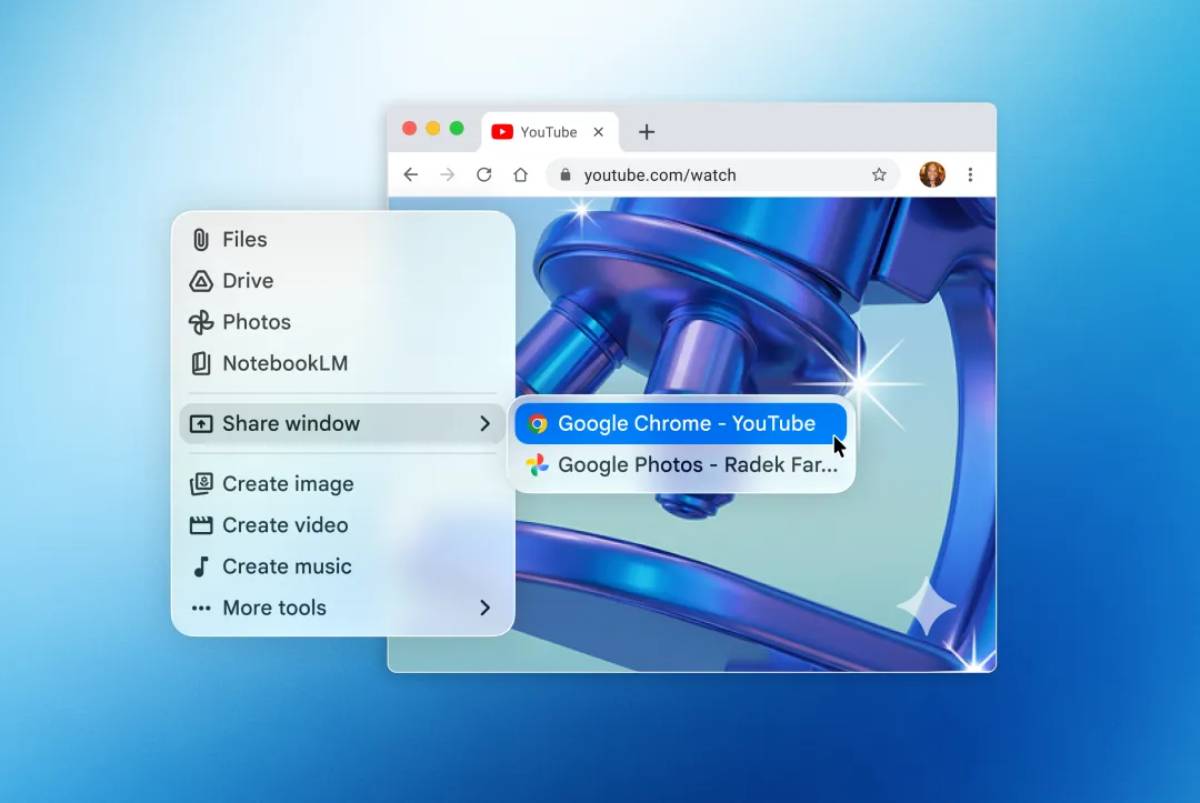
Image Source: Google

A major development unfolded as Google launched a dedicated Gemini AI application for macOS, extending its generative AI ecosystem beyond browsers and mobile. The move strengthens Google’s push into productivity-focused AI tools and intensifies competition with Apple and Microsoft in the race to dominate desktop-integrated AI experiences.

Google has introduced a standalone Gemini app for Mac users, enabling direct access to its AI assistant without relying on web interfaces. The application integrates text generation, coding assistance, and contextual productivity features designed for professional workflows.

The rollout is part of Google’s broader strategy to embed Gemini across operating systems and devices. It positions the company in closer competition with Apple’s native AI ambitions and Microsoft’s Copilot ecosystem. Early availability targets developers, knowledge workers, and enterprise users, with phased expansion expected across additional markets and feature tiers over time.

The launch comes amid an accelerating shift toward OS-level AI integration, where major technology firms are embedding generative AI directly into user environments rather than offering standalone chatbot interfaces. Apple, Microsoft, and Google are increasingly converging on the idea that AI assistants will become default productivity layers across devices.

Historically, Google’s Gemini has been primarily browser-based through web and Android integration. A native Mac application marks a strategic expansion into Apple’s ecosystem, long considered a high-value professional user base. The move also reflects growing pressure on Google to retain leadership in AI interfaces as competitors deepen system-level integration.

At a broader level, the development aligns with an industry transition from “AI as a tool” to “AI as infrastructure” within operating systems and enterprise workflows. Industry analysts view the launch as a defensive and expansionary move. By entering macOS natively, Google is directly challenging Apple’s controlled ecosystem strategy while simultaneously reinforcing its cross-platform AI footprint.

Technology strategists suggest that desktop-native AI applications are becoming a critical battleground for user retention, especially in enterprise environments where workflow integration determines adoption rates. Analysts also note that Google’s approach prioritizes accessibility and speed, contrasting with Apple’s tighter hardware-software coupling.

From an industry perspective, this shift signals increasing fragmentation in AI assistant ecosystems. Rather than a single dominant interface, users may operate across multiple AI systems depending on device and task context. This raises longer-term questions about interoperability and enterprise standardization.

For enterprises, the expansion of Gemini onto Mac systems increases the range of AI tools embedded into daily workflows, potentially improving productivity but also complicating governance and compliance frameworks. Organizations may need to reassess data handling policies across multiple AI ecosystems operating simultaneously.

For technology markets, the move intensifies competition between platform owners seeking to lock users into proprietary AI environments. It also raises strategic questions for developers building cross-platform applications.

Regulators may increasingly focus on AI interoperability, data privacy, and competitive fairness as AI assistants become integrated into operating systems rather than functioning as standalone services.

Google is expected to deepen Gemini’s integration across desktop environments, potentially expanding feature parity with mobile and enterprise platforms. The competitive response from Apple and Microsoft will likely shape the next phase of AI-native operating systems. Key variables include enterprise adoption rates, privacy frameworks, and how seamlessly AI assistants integrate into productivity ecosystems.

The race is shifting from AI capability to platform control.

Source: The Verge
Date: April 16, 2026

  • Featured tools
Scalenut AI
Free

Scalenut AI is an all-in-one SEO content platform that combines AI-driven writing, keyword research, competitor insights, and optimization tools to help you plan, create, and rank content.

#
SEO
Learn more
Surfer AI
Free

Surfer AI is an AI-powered content creation assistant built into the Surfer SEO platform, designed to generate SEO-optimized articles from prompts, leveraging data from search results to inform tone, structure, and relevance.

#
SEO
Learn more

Learn more about future of AI

Join 80,000+ Ai enthusiast getting weekly updates on exciting AI tools.
Thank you! Your submission has been received!
Oops! Something went wrong while submitting the form.

Google Expands Gemini with Mac App

April 16, 2026

Google has introduced a standalone Gemini app for Mac users, enabling direct access to its AI assistant without relying on web interfaces.

Image Source: Google

A major development unfolded as Google launched a dedicated Gemini AI application for macOS, extending its generative AI ecosystem beyond browsers and mobile. The move strengthens Google’s push into productivity-focused AI tools and intensifies competition with Apple and Microsoft in the race to dominate desktop-integrated AI experiences.

Google has introduced a standalone Gemini app for Mac users, enabling direct access to its AI assistant without relying on web interfaces. The application integrates text generation, coding assistance, and contextual productivity features designed for professional workflows.

The rollout is part of Google’s broader strategy to embed Gemini across operating systems and devices. It positions the company in closer competition with Apple’s native AI ambitions and Microsoft’s Copilot ecosystem. Early availability targets developers, knowledge workers, and enterprise users, with phased expansion expected across additional markets and feature tiers over time.

The launch comes amid an accelerating shift toward OS-level AI integration, where major technology firms are embedding generative AI directly into user environments rather than offering standalone chatbot interfaces. Apple, Microsoft, and Google are increasingly converging on the idea that AI assistants will become default productivity layers across devices.

Historically, Google’s Gemini has been primarily browser-based through web and Android integration. A native Mac application marks a strategic expansion into Apple’s ecosystem, long considered a high-value professional user base. The move also reflects growing pressure on Google to retain leadership in AI interfaces as competitors deepen system-level integration.

At a broader level, the development aligns with an industry transition from “AI as a tool” to “AI as infrastructure” within operating systems and enterprise workflows. Industry analysts view the launch as a defensive and expansionary move. By entering macOS natively, Google is directly challenging Apple’s controlled ecosystem strategy while simultaneously reinforcing its cross-platform AI footprint.

Technology strategists suggest that desktop-native AI applications are becoming a critical battleground for user retention, especially in enterprise environments where workflow integration determines adoption rates. Analysts also note that Google’s approach prioritizes accessibility and speed, contrasting with Apple’s tighter hardware-software coupling.

From an industry perspective, this shift signals increasing fragmentation in AI assistant ecosystems. Rather than a single dominant interface, users may operate across multiple AI systems depending on device and task context. This raises longer-term questions about interoperability and enterprise standardization.

For enterprises, the expansion of Gemini onto Mac systems increases the range of AI tools embedded into daily workflows, potentially improving productivity but also complicating governance and compliance frameworks. Organizations may need to reassess data handling policies across multiple AI ecosystems operating simultaneously.

For technology markets, the move intensifies competition between platform owners seeking to lock users into proprietary AI environments. It also raises strategic questions for developers building cross-platform applications.

Regulators may increasingly focus on AI interoperability, data privacy, and competitive fairness as AI assistants become integrated into operating systems rather than functioning as standalone services.

Google is expected to deepen Gemini’s integration across desktop environments, potentially expanding feature parity with mobile and enterprise platforms. The competitive response from Apple and Microsoft will likely shape the next phase of AI-native operating systems. Key variables include enterprise adoption rates, privacy frameworks, and how seamlessly AI assistants integrate into productivity ecosystems.

The race is shifting from AI capability to platform control.

Source: The Verge
Date: April 16, 2026

Promote Your Tool

Copy Embed Code

Similar Blogs

June 25, 2026
|

OQ Tech Boosts Satellite Position

The European financing package will support OQ Technology’s expansion of its low Earth orbit (LEO) satellite constellation aimed at providing direct-to-device connectivity.
Read more
June 25, 2026
|

Women Led Startups Show Funding Gap

The startup ecosystem has seen a steady increase in women-founded and women-led companies, particularly in sectors such as digital services, healthtech, fintech, and sustainability-driven innovation.
Read more
June 25, 2026
|

AI Healthcare Unlocks Transformation Potential

AI applications in healthcare are expanding across multiple domains, including clinical decision support, medical imaging, drug discovery, and patient management systems.
Read more
June 25, 2026
|

Helical Raises $10M for AI Drug Lab

The funding round will enable Helical to scale its virtual AI lab infrastructure, which simulates complex biological processes for drug discovery.
Read more
June 25, 2026
|

Digital Healthtech Faces Investor Pressure

The guidance highlights that digital health startups must now demonstrate stronger clinical validation, data security standards, and measurable patient outcomes to secure investor confidence.
Read more
June 25, 2026
|

Luxembourg Space Strategy Turns Decade

Over the past ten years, Luxembourg has systematically developed its space sector through targeted investments, policy frameworks, and partnerships with private space companies.
Read more