
Google DeepMind Expands AI Talent Strategy

Google DeepMind entered into a licensing agreement tied to the recruitment of staff from Contextual AI, a startup focused on advanced artificial intelligence systems.

May 20, 2026
|
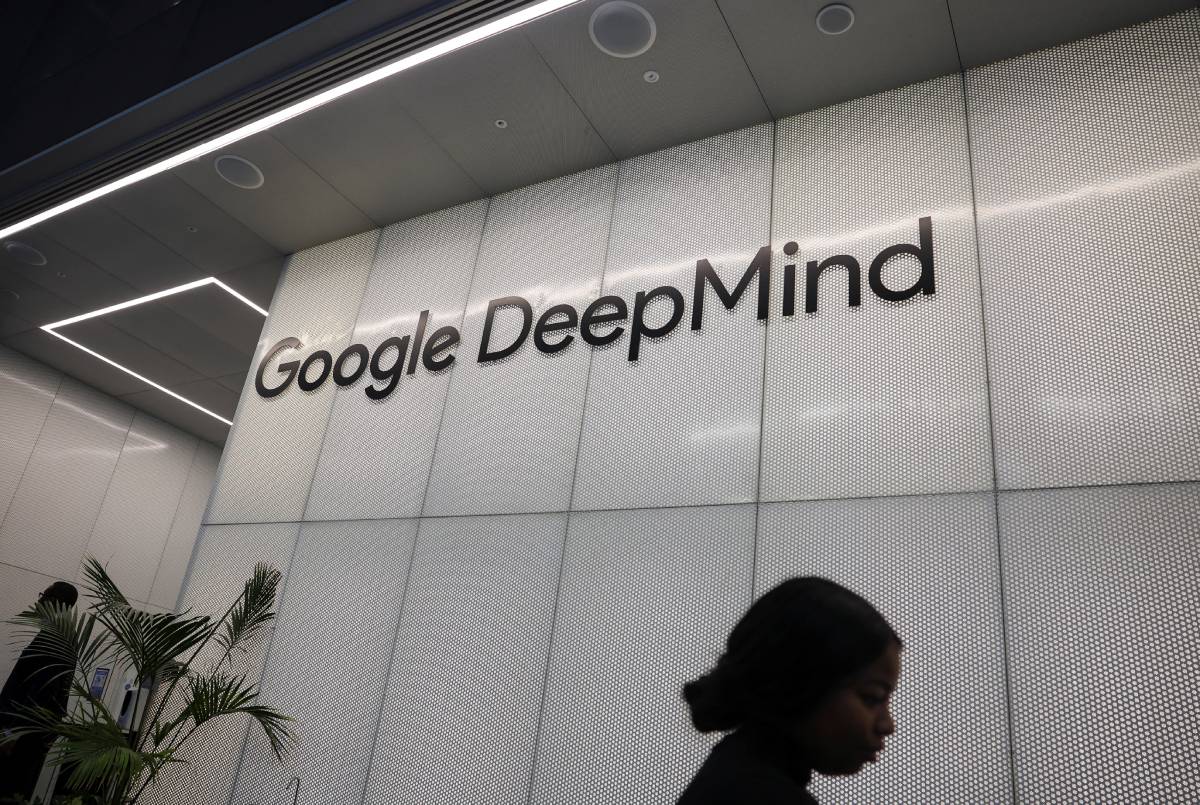
Image Source: Reuters

Google DeepMind has reportedly hired employees from startup Contextual AI as part of a licensing arrangement, highlighting the intensifying global competition for elite AI talent and proprietary technologies. The move reflects how major technology firms are increasingly using strategic partnerships and acqui-hire structures to accelerate AI development while navigating regulatory scrutiny.

According to reports, Google DeepMind entered into a licensing agreement tied to the recruitment of staff from Contextual AI, a startup focused on advanced artificial intelligence systems. While financial details were not publicly disclosed, the arrangement reportedly enables DeepMind to secure specialized expertise and potentially access elements of the startup’s technological capabilities.

The development reflects the growing trend of AI-focused talent acquisitions as major firms compete aggressively for engineers, researchers, and infrastructure specialists. The deal also highlights evolving transaction structures in the AI sector, where licensing agreements and strategic hires are increasingly favored over full acquisitions that may attract heightened antitrust scrutiny from regulators in the United States and Europe.

The agreement comes amid an escalating global race among technology giants to secure top-tier AI talent and intellectual property. Companies including Google, Microsoft, OpenAI, and Meta have intensified recruitment efforts as generative AI becomes central to future competitiveness across cloud computing, enterprise software, search, and digital advertising.

Over the past two years, the AI industry has witnessed a surge in startup partnerships, strategic licensing arrangements, and acqui-hire deals as regulatory authorities increase scrutiny of traditional mergers and acquisitions. Rather than pursuing outright takeovers, large firms are increasingly structuring agreements around talent migration and technology licensing to accelerate innovation while limiting potential antitrust complications.

The trend also reflects broader economic shifts where AI expertise has become one of the most valuable strategic assets in the global technology economy. Industry analysts view the reported agreement as another sign that the AI talent war is entering a more aggressive phase. Experts argue that access to highly specialized researchers and engineers may now carry greater strategic importance than conventional acquisitions of products or market share.

Technology sector observers note that licensing structures linked to talent recruitment allow major firms to rapidly absorb innovation capabilities while maintaining flexibility in a fast-changing market. Analysts also point out that such arrangements may help companies navigate intensifying regulatory oversight surrounding concentration of power in the AI industry.

While neither company publicly disclosed extensive details, the broader market reaction underscores growing investor focus on talent concentration, infrastructure scale, and proprietary model development as key competitive differentiators. Some experts warn that the consolidation of elite AI talent within a handful of major firms could further widen the competitive gap between large platforms and smaller startups.

For businesses, the development reinforces the growing importance of AI recruitment, intellectual property access, and strategic partnerships in maintaining competitiveness. Enterprises across sectors may face rising pressure to secure specialized AI expertise amid an increasingly constrained global talent pool.

Investors are likely to interpret the move as part of a broader industry shift toward consolidation of advanced AI capabilities within large technology ecosystems. The trend could influence valuations of AI startups, infrastructure providers, and research-driven firms.

For regulators and policymakers, these licensing-based talent arrangements may prompt closer examination of how competition laws apply to AI-era transactions, particularly when deals involve indirect consolidation of strategic technological capabilities without formal acquisitions.

Attention now turns to whether additional AI startups become targets for similar licensing and talent agreements as competition intensifies among global technology leaders. Market observers will be watching how regulators respond to alternative deal structures that blur the lines between partnership, acquisition, and strategic hiring. The pace of AI innovation, infrastructure investment, and talent concentration is expected to remain a defining factor shaping the next phase of the global technology landscape.

Source: Reuters Technology Report
Date: 19 May 2026

  • Featured tools
Figstack AI
Free

Figstack AI is an intelligent assistant for developers that explains code, generates docstrings, converts code between languages, and analyzes time complexity helping you work smarter, not harder.

#
Coding
Learn more
Writesonic AI
Free

Writesonic AI is a versatile AI writing platform designed for marketers, entrepreneurs, and content creators. It helps users create blog posts, ad copies, product descriptions, social media posts, and more with ease. With advanced AI models and user-friendly tools, Writesonic streamlines content production and saves time for busy professionals.

#
Copywriting
Learn more

Learn more about future of AI

Join 80,000+ Ai enthusiast getting weekly updates on exciting AI tools.
Thank you! Your submission has been received!
Oops! Something went wrong while submitting the form.

Google DeepMind Expands AI Talent Strategy

May 20, 2026

Google DeepMind entered into a licensing agreement tied to the recruitment of staff from Contextual AI, a startup focused on advanced artificial intelligence systems.

Image Source: Reuters

Google DeepMind has reportedly hired employees from startup Contextual AI as part of a licensing arrangement, highlighting the intensifying global competition for elite AI talent and proprietary technologies. The move reflects how major technology firms are increasingly using strategic partnerships and acqui-hire structures to accelerate AI development while navigating regulatory scrutiny.

According to reports, Google DeepMind entered into a licensing agreement tied to the recruitment of staff from Contextual AI, a startup focused on advanced artificial intelligence systems. While financial details were not publicly disclosed, the arrangement reportedly enables DeepMind to secure specialized expertise and potentially access elements of the startup’s technological capabilities.

The development reflects the growing trend of AI-focused talent acquisitions as major firms compete aggressively for engineers, researchers, and infrastructure specialists. The deal also highlights evolving transaction structures in the AI sector, where licensing agreements and strategic hires are increasingly favored over full acquisitions that may attract heightened antitrust scrutiny from regulators in the United States and Europe.

The agreement comes amid an escalating global race among technology giants to secure top-tier AI talent and intellectual property. Companies including Google, Microsoft, OpenAI, and Meta have intensified recruitment efforts as generative AI becomes central to future competitiveness across cloud computing, enterprise software, search, and digital advertising.

Over the past two years, the AI industry has witnessed a surge in startup partnerships, strategic licensing arrangements, and acqui-hire deals as regulatory authorities increase scrutiny of traditional mergers and acquisitions. Rather than pursuing outright takeovers, large firms are increasingly structuring agreements around talent migration and technology licensing to accelerate innovation while limiting potential antitrust complications.

The trend also reflects broader economic shifts where AI expertise has become one of the most valuable strategic assets in the global technology economy. Industry analysts view the reported agreement as another sign that the AI talent war is entering a more aggressive phase. Experts argue that access to highly specialized researchers and engineers may now carry greater strategic importance than conventional acquisitions of products or market share.

Technology sector observers note that licensing structures linked to talent recruitment allow major firms to rapidly absorb innovation capabilities while maintaining flexibility in a fast-changing market. Analysts also point out that such arrangements may help companies navigate intensifying regulatory oversight surrounding concentration of power in the AI industry.

While neither company publicly disclosed extensive details, the broader market reaction underscores growing investor focus on talent concentration, infrastructure scale, and proprietary model development as key competitive differentiators. Some experts warn that the consolidation of elite AI talent within a handful of major firms could further widen the competitive gap between large platforms and smaller startups.

For businesses, the development reinforces the growing importance of AI recruitment, intellectual property access, and strategic partnerships in maintaining competitiveness. Enterprises across sectors may face rising pressure to secure specialized AI expertise amid an increasingly constrained global talent pool.

Investors are likely to interpret the move as part of a broader industry shift toward consolidation of advanced AI capabilities within large technology ecosystems. The trend could influence valuations of AI startups, infrastructure providers, and research-driven firms.

For regulators and policymakers, these licensing-based talent arrangements may prompt closer examination of how competition laws apply to AI-era transactions, particularly when deals involve indirect consolidation of strategic technological capabilities without formal acquisitions.

Attention now turns to whether additional AI startups become targets for similar licensing and talent agreements as competition intensifies among global technology leaders. Market observers will be watching how regulators respond to alternative deal structures that blur the lines between partnership, acquisition, and strategic hiring. The pace of AI innovation, infrastructure investment, and talent concentration is expected to remain a defining factor shaping the next phase of the global technology landscape.

Source: Reuters Technology Report
Date: 19 May 2026

Promote Your Tool

Copy Embed Code

Similar Blogs

June 23, 2026
|

AI Health Co Pilots Transform Care

The concept of a “silent co-pilot” in healthcare refers to AI systems embedded in digital health infrastructure that continuously analyze patient data, wearable inputs, and clinical records.
Read more
June 23, 2026
|

SOPHiA GENETICS Raises $57.5M Expansion

The Swiss-based health tech company completed a $57.5 million capital raise via a public offering, aimed at supporting its AI-driven analytics platform used in genomic and clinical data interpretation.
Read more
June 23, 2026
|

AI Agents Enter Consumer Finance

An AI agent executed a coffee purchase in Finland using a regulated payment channel supported by a major Nordic bank and a global card network.
Read more
June 23, 2026
|

Nokia Bets on AI Network Agents

Nokia has unveiled a vision centered on “agentic AI” embedded within its network services and IP infrastructure platforms.
Read more
June 23, 2026
|

Ericsson AI Leadership Transition Announced

Ericsson has announced a planned leadership transition with CEO Börje Ekholm set to step down after nearly a decade at the helm.
Read more
June 23, 2026
|

Benelux Ukraine Innovation Ties Strengthen

The Seeds of Bravery initiative is designed to connect Ukrainian startups with investors, accelerators, innovation hubs, and corporate partners across the Benelux region.
Read more