
Global Investments Shift Toward Longevity

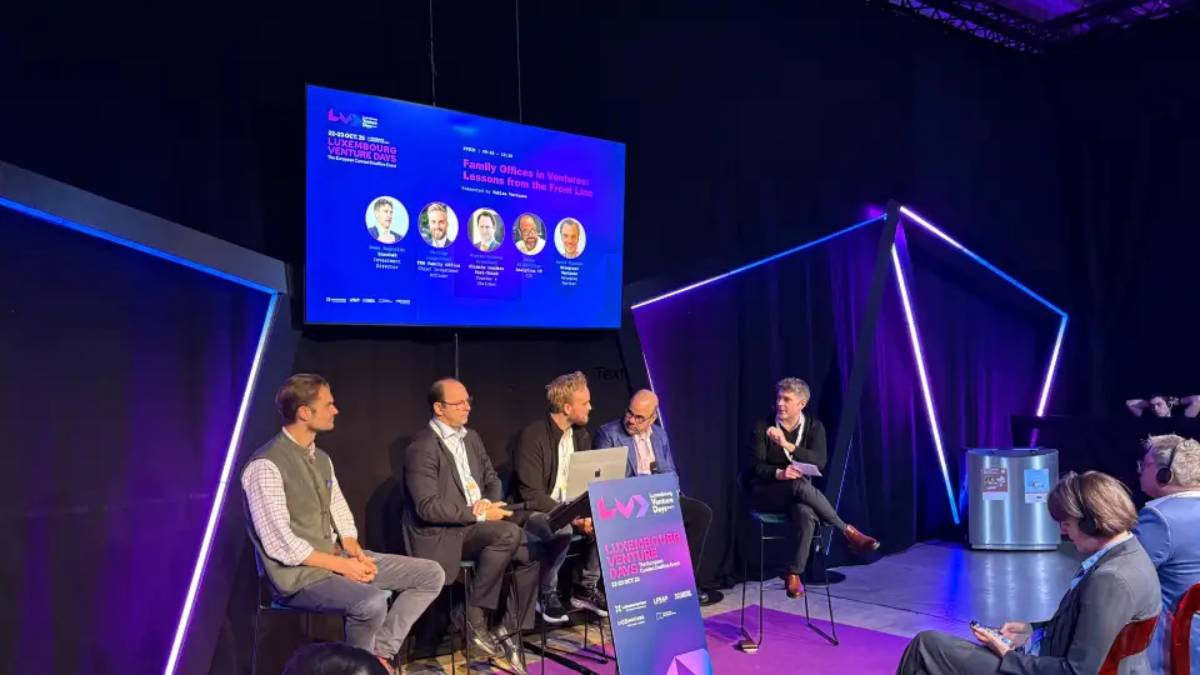
The discussion explores how family office investors approach capital allocation, emphasizing patience, strategic partnerships, and generational wealth planning.

July 29, 2026
|

Family offices are becoming increasingly influential players in global investment markets, combining long-term capital strategies with a focus on wealth preservation, innovation, and impact. Insights into the mindset of family office investors reveal how these private investment institutions evaluate opportunities, manage risk, and support businesses beyond traditional financial returns.

The discussion explores how family office investors approach capital allocation, emphasizing patience, strategic partnerships, and generational wealth planning. Unlike traditional investment funds focused on shorter cycles, family offices often prioritize sustainable growth, direct investments, and alignment with long-term objectives.

Their investment decisions typically consider factors such as business resilience, leadership quality, market potential, and social impact. The growing influence of family offices is reshaping private capital markets, with many becoming active participants in venture capital, private equity, real estate, technology, and emerging industries. Luxembourg’s position as a financial hub continues to attract family offices seeking sophisticated investment environments and international opportunities.

Family offices have evolved from traditional wealth management structures into sophisticated investment organizations capable of influencing global capital flows. As wealthy families seek greater control, transparency, and strategic alignment, many have moved beyond conventional asset management approaches toward direct investments and entrepreneurial partnerships.

The rise of technology startups, private markets, and impact investing has created new opportunities for family offices to deploy capital across innovative sectors. This shift reflects broader changes in global finance, where private investors increasingly play a role traditionally dominated by institutional funds.

Luxembourg has strengthened its reputation as an international financial center by offering a stable regulatory environment, investment expertise, and access to European markets. These advantages make the country attractive for family offices looking to establish operations, manage assets, and participate in cross-border investment opportunities.

Investment experts note that family offices often differentiate themselves through flexibility, long investment horizons, and the ability to make strategic decisions without the constraints faced by many institutional investors. Their focus frequently extends beyond financial performance to include legacy building, innovation support, and sustainable growth.

Analysts suggest that family offices are becoming increasingly important sources of capital for startups and private companies, particularly in sectors such as technology, healthcare, sustainability, and advanced manufacturing. Their involvement can provide companies with more patient capital and valuable strategic networks.

Financial industry leaders emphasize that successful family office investing requires strong governance, professional expertise, and disciplined risk management. As these organizations become more complex, many are adopting institutional-level investment processes while maintaining the entrepreneurial mindset that defines their origins.

For entrepreneurs and companies seeking growth capital, family offices represent a valuable funding source that can offer longer-term support compared with traditional investors. Businesses that demonstrate strong leadership, sustainable models, and clear market opportunities may attract increasing attention from these investors.

For financial centers such as Luxembourg, the expansion of family office activity creates opportunities to strengthen private wealth services, investment advisory capabilities, and financial innovation ecosystems.

Policymakers must continue developing transparent regulatory frameworks that support investment activity while maintaining strong governance standards. As private capital becomes more influential, effective collaboration between investors, businesses, and regulators will be essential.

The influence of family offices is expected to continue expanding as wealthy investors seek greater control over their capital and explore opportunities in emerging industries. Future investment strategies are likely to emphasize technology, sustainability, healthcare innovation, and impact-driven businesses. For executives and entrepreneurs, understanding the priorities of family office investors will become increasingly important when seeking strategic capital partnerships.

Source: Startup Luxembourg
Date: July 2026

  • Featured tools
Surfer AI
Free

Surfer AI is an AI-powered content creation assistant built into the Surfer SEO platform, designed to generate SEO-optimized articles from prompts, leveraging data from search results to inform tone, structure, and relevance.

#
SEO
Learn more
Hostinger Website Builder
Paid

Hostinger Website Builder is a drag-and-drop website creator bundled with hosting and AI-powered tools, designed for businesses, blogs and small shops with minimal technical effort.It makes launching a site fast and affordable, with templates, responsive design and built-in hosting all in one.

#
Productivity
#
Startup Tools
#
Ecommerce
Learn more

Learn more about future of AI

Join 80,000+ Ai enthusiast getting weekly updates on exciting AI tools.
Thank you! Your submission has been received!
Oops! Something went wrong while submitting the form.

Global Investments Shift Toward Longevity

July 29, 2026

The discussion explores how family office investors approach capital allocation, emphasizing patience, strategic partnerships, and generational wealth planning.

Family offices are becoming increasingly influential players in global investment markets, combining long-term capital strategies with a focus on wealth preservation, innovation, and impact. Insights into the mindset of family office investors reveal how these private investment institutions evaluate opportunities, manage risk, and support businesses beyond traditional financial returns.

The discussion explores how family office investors approach capital allocation, emphasizing patience, strategic partnerships, and generational wealth planning. Unlike traditional investment funds focused on shorter cycles, family offices often prioritize sustainable growth, direct investments, and alignment with long-term objectives.

Their investment decisions typically consider factors such as business resilience, leadership quality, market potential, and social impact. The growing influence of family offices is reshaping private capital markets, with many becoming active participants in venture capital, private equity, real estate, technology, and emerging industries. Luxembourg’s position as a financial hub continues to attract family offices seeking sophisticated investment environments and international opportunities.

Family offices have evolved from traditional wealth management structures into sophisticated investment organizations capable of influencing global capital flows. As wealthy families seek greater control, transparency, and strategic alignment, many have moved beyond conventional asset management approaches toward direct investments and entrepreneurial partnerships.

The rise of technology startups, private markets, and impact investing has created new opportunities for family offices to deploy capital across innovative sectors. This shift reflects broader changes in global finance, where private investors increasingly play a role traditionally dominated by institutional funds.

Luxembourg has strengthened its reputation as an international financial center by offering a stable regulatory environment, investment expertise, and access to European markets. These advantages make the country attractive for family offices looking to establish operations, manage assets, and participate in cross-border investment opportunities.

Investment experts note that family offices often differentiate themselves through flexibility, long investment horizons, and the ability to make strategic decisions without the constraints faced by many institutional investors. Their focus frequently extends beyond financial performance to include legacy building, innovation support, and sustainable growth.

Analysts suggest that family offices are becoming increasingly important sources of capital for startups and private companies, particularly in sectors such as technology, healthcare, sustainability, and advanced manufacturing. Their involvement can provide companies with more patient capital and valuable strategic networks.

Financial industry leaders emphasize that successful family office investing requires strong governance, professional expertise, and disciplined risk management. As these organizations become more complex, many are adopting institutional-level investment processes while maintaining the entrepreneurial mindset that defines their origins.

For entrepreneurs and companies seeking growth capital, family offices represent a valuable funding source that can offer longer-term support compared with traditional investors. Businesses that demonstrate strong leadership, sustainable models, and clear market opportunities may attract increasing attention from these investors.

For financial centers such as Luxembourg, the expansion of family office activity creates opportunities to strengthen private wealth services, investment advisory capabilities, and financial innovation ecosystems.

Policymakers must continue developing transparent regulatory frameworks that support investment activity while maintaining strong governance standards. As private capital becomes more influential, effective collaboration between investors, businesses, and regulators will be essential.

The influence of family offices is expected to continue expanding as wealthy investors seek greater control over their capital and explore opportunities in emerging industries. Future investment strategies are likely to emphasize technology, sustainability, healthcare innovation, and impact-driven businesses. For executives and entrepreneurs, understanding the priorities of family office investors will become increasingly important when seeking strategic capital partnerships.

Source: Startup Luxembourg
Date: July 2026

Promote Your Tool

Copy Embed Code

Similar Blogs

August 14, 2026
|

Benefitfocus Expands Digital Benefits Administration

Benefitfocus provides cloud-based technology covering benefits enrollment, administration, communications, billing, payments and data exchange.
Read more
August 14, 2026
|

Travel Agent Revenue Models Evolve Digitally

Travel agencies can earn commissions when customers book hotels, cruises, tours, vacation packages and other travel products through them. Suppliers may pay agents for generating bookings, making commissions a traditional component of agency revenue.
Read more
August 14, 2026
|

Sofon Advances Guided Selling CPQ Automation

Sofon's platform combines guided selling, product configuration, pricing, quotation and sales-management capabilities. Guided questionnaires help sales teams identify customer requirements and translate them into suitable product configurations.
Read more
August 14, 2026
|

WellRyde Advances Medical Transportation Management

WellRyde provides technology for managing non-emergency medical transportation operations, including trip scheduling, dispatch coordination, transportation-provider management and reporting.
Read more
August 14, 2026
|

Review WAVE Advances Digital Patient Engagement

Review WAVE provides healthcare practices with tools for online appointment scheduling, two-way texting, automated appointment reminders, digital forms, web chat, marketing campaigns and online review generation.
Read more
August 14, 2026
|

Edgenuity Expands Digital Virtual Education

Edgenuity provides digital curriculum and learning solutions covering core academic subjects, electives, Advanced Placement and career-oriented education.
Read more