
Gloat Enters AI HR Platform Race

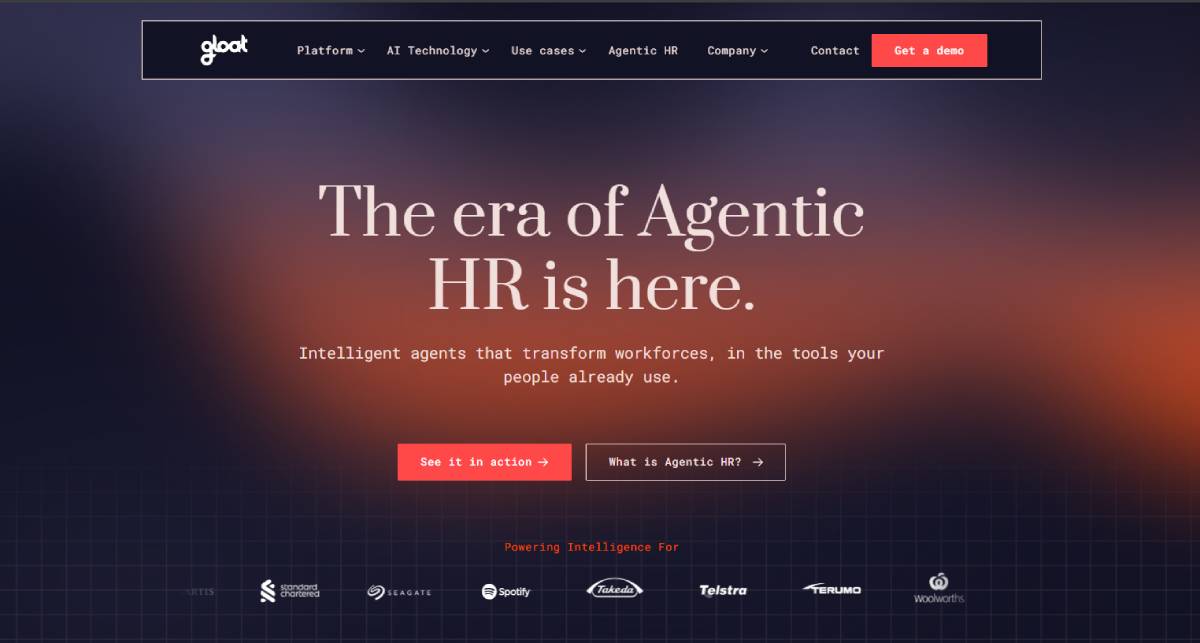
Gloat announced its entry into the AI agents space, positioning its platform to deliver intelligent HR automation and workforce insights. The company is integrating AI agents into its existing talent marketplace platform, enabling dynamic skills matching, internal mobility.

April 1, 2026
|

A major development unfolded as Gloat entered the rapidly expanding AI agents market for HR, signalling a strategic shift toward AI-driven workforce platforms. The move intensifies competition among enterprise AI frameworks aiming to redefine talent management, employee experience, and organizational productivity.

Gloat announced its entry into the AI agents space, positioning its platform to deliver intelligent HR automation and workforce insights. The company is integrating AI agents into its existing talent marketplace platform, enabling dynamic skills matching, internal mobility, and workforce planning. The move comes amid rising competition from major enterprise software providers embedding AI frameworks into HR systems.

Key stakeholders include HR technology vendors, enterprise clients, and employees interacting with AI-driven platforms. The development highlights a broader shift toward AI-powered decision-making in human resources, where platforms are evolving from static systems into proactive, agent-driven ecosystems.

The development aligns with a broader trend across global markets where AI platforms are transforming enterprise software, particularly in human resources. Traditional HR systems focused on record-keeping and compliance are now being replaced by intelligent platforms capable of real-time insights and automation.

Companies such as Workday, SAP, and Oracle have already integrated AI frameworks into their HR offerings, intensifying competition in the space. Gloat, known for its talent marketplace solutions, is leveraging its expertise in internal mobility and skills intelligence to differentiate its AI platform. The rise of AI agents represents a significant evolution, enabling systems to act autonomously on behalf of users, rather than simply providing recommendations marking a shift toward more proactive enterprise AI frameworks.

Industry analysts view Gloat’s move as part of a broader “AI agent arms race” in enterprise software. Experts suggest that the next generation of HR platforms will be defined by their ability to act autonomously, orchestrating workflows and making decisions within predefined parameters.

Technology strategists highlight that AI agents can significantly enhance productivity by automating repetitive tasks such as candidate screening, workforce planning, and skills mapping. However, experts also caution that deploying AI frameworks in HR introduces risks related to bias, transparency, and employee trust.

From a market perspective, analysts note that differentiation will depend on data quality, integration capabilities, and user experience. While official messaging emphasizes innovation and efficiency, experts stress the importance of governance frameworks to ensure ethical and compliant use of AI in workforce management.

For global executives, the rise of AI platforms in HR signals a shift toward more data-driven and automated workforce strategies. Organizations may need to rethink talent management, reskilling initiatives, and employee engagement through the lens of AI frameworks. Investors are likely to monitor the competitive landscape as vendors race to establish leadership in AI-driven enterprise platforms.

From a policy standpoint, regulators may increase scrutiny on AI use in hiring and workforce decisions, particularly around fairness and bias. Companies adopting these technologies will need to implement robust governance, transparency, and compliance measures to mitigate risks.

Looking ahead, the competition in AI agents for HR is expected to intensify as more vendors enhance their platforms with autonomous capabilities. Decision-makers should watch how effectively these AI frameworks deliver measurable business outcomes while maintaining trust and compliance. The evolution of AI platforms in HR could redefine how organizations manage talent, making intelligent, agent-driven systems central to future workforce strategies.

Source: Josh Bersin
Date: March 2026

  • Featured tools
Symphony Ayasdi AI
Free

SymphonyAI Sensa is an AI-powered surveillance and financial crime detection platform that surfaces hidden risk behavior through explainable, AI-driven analytics.

#
Finance
Learn more
Beautiful AI
Free

Beautiful AI is an AI-powered presentation platform that automates slide design and formatting, enabling users to create polished, on-brand presentations quickly.

#
Presentation
Learn more

Learn more about future of AI

Join 80,000+ Ai enthusiast getting weekly updates on exciting AI tools.
Thank you! Your submission has been received!
Oops! Something went wrong while submitting the form.

Gloat Enters AI HR Platform Race

April 1, 2026

Gloat announced its entry into the AI agents space, positioning its platform to deliver intelligent HR automation and workforce insights. The company is integrating AI agents into its existing talent marketplace platform, enabling dynamic skills matching, internal mobility.

A major development unfolded as Gloat entered the rapidly expanding AI agents market for HR, signalling a strategic shift toward AI-driven workforce platforms. The move intensifies competition among enterprise AI frameworks aiming to redefine talent management, employee experience, and organizational productivity.

Gloat announced its entry into the AI agents space, positioning its platform to deliver intelligent HR automation and workforce insights. The company is integrating AI agents into its existing talent marketplace platform, enabling dynamic skills matching, internal mobility, and workforce planning. The move comes amid rising competition from major enterprise software providers embedding AI frameworks into HR systems.

Key stakeholders include HR technology vendors, enterprise clients, and employees interacting with AI-driven platforms. The development highlights a broader shift toward AI-powered decision-making in human resources, where platforms are evolving from static systems into proactive, agent-driven ecosystems.

The development aligns with a broader trend across global markets where AI platforms are transforming enterprise software, particularly in human resources. Traditional HR systems focused on record-keeping and compliance are now being replaced by intelligent platforms capable of real-time insights and automation.

Companies such as Workday, SAP, and Oracle have already integrated AI frameworks into their HR offerings, intensifying competition in the space. Gloat, known for its talent marketplace solutions, is leveraging its expertise in internal mobility and skills intelligence to differentiate its AI platform. The rise of AI agents represents a significant evolution, enabling systems to act autonomously on behalf of users, rather than simply providing recommendations marking a shift toward more proactive enterprise AI frameworks.

Industry analysts view Gloat’s move as part of a broader “AI agent arms race” in enterprise software. Experts suggest that the next generation of HR platforms will be defined by their ability to act autonomously, orchestrating workflows and making decisions within predefined parameters.

Technology strategists highlight that AI agents can significantly enhance productivity by automating repetitive tasks such as candidate screening, workforce planning, and skills mapping. However, experts also caution that deploying AI frameworks in HR introduces risks related to bias, transparency, and employee trust.

From a market perspective, analysts note that differentiation will depend on data quality, integration capabilities, and user experience. While official messaging emphasizes innovation and efficiency, experts stress the importance of governance frameworks to ensure ethical and compliant use of AI in workforce management.

For global executives, the rise of AI platforms in HR signals a shift toward more data-driven and automated workforce strategies. Organizations may need to rethink talent management, reskilling initiatives, and employee engagement through the lens of AI frameworks. Investors are likely to monitor the competitive landscape as vendors race to establish leadership in AI-driven enterprise platforms.

From a policy standpoint, regulators may increase scrutiny on AI use in hiring and workforce decisions, particularly around fairness and bias. Companies adopting these technologies will need to implement robust governance, transparency, and compliance measures to mitigate risks.

Looking ahead, the competition in AI agents for HR is expected to intensify as more vendors enhance their platforms with autonomous capabilities. Decision-makers should watch how effectively these AI frameworks deliver measurable business outcomes while maintaining trust and compliance. The evolution of AI platforms in HR could redefine how organizations manage talent, making intelligent, agent-driven systems central to future workforce strategies.

Source: Josh Bersin
Date: March 2026

Promote Your Tool

Copy Embed Code

Similar Blogs

April 29, 2026
|

Dell XPS 16 Balances Performance Pricing Trade-Off

The Dell XPS 16 positions itself as a flagship large-screen laptop offering strong performance, premium design, and advanced display capabilities.
Read more
April 29, 2026
|

Logitech Redefines Gaming Hybrid Keyboard Innovation

The Logitech G512 X gaming keyboard integrates a hybrid switch architecture combining mechanical responsiveness with analog-level input control.
Read more
April 29, 2026
|

Acer Predator Deal Signals Gaming Hardware Shift

The Acer Predator Helios Neo 16 AI gaming laptop is currently available at a discount of approximately $560, positioning it as a competitively priced high-end device.
Read more
April 29, 2026
|

Elgato 4K Webcam Redefines Video Standards

The Elgato Facecam 4K webcam is currently being offered at approximately $160, positioning it competitively within the premium webcam segment.
Read more
April 29, 2026
|

Musk Altman Clash Exposes Global AI Faultlines

The opening day of the legal confrontation between Musk and Altman centered on disputes tied to the origins and direction of OpenAI.
Read more
April 29, 2026
|

Viture Beast Signals Breakthrough in AR Displays

The Viture Beast display glasses introduce a high-resolution virtual screen experience, enabling users to project large-format displays through lightweight wearable hardware.
Read more