



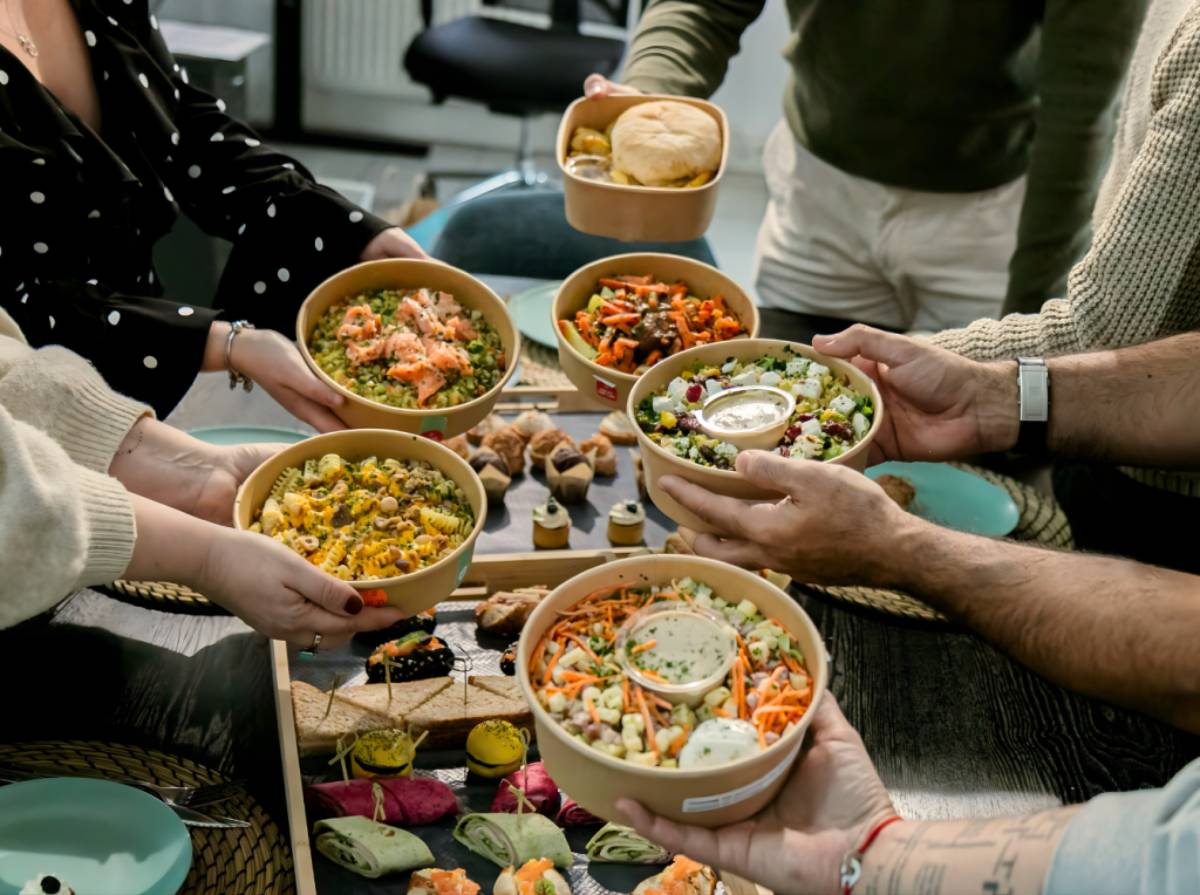
Luxembourg based food technology company Foozo is reshaping workplace catering through a digital platform that streamlines office meal services while offering employees greater flexibility and choice. The initiative reflects a broader transformation in corporate wellness and workplace experience, as employers increasingly invest in modern employee benefits to attract and retain talent.
Foozo has introduced an office catering model that connects businesses with a network of food providers through a centralized digital platform. The solution enables employers to simplify meal management while allowing employees to access diverse catering options tailored to different dietary preferences and workplace schedules.
The platform aims to reduce administrative complexity for businesses while supporting local food vendors through increased corporate demand. As hybrid work models continue to reshape employee expectations, Foozo positions its service as a flexible solution that combines convenience, technology, and employee satisfaction. The initiative reflects growing demand for digital workplace services that improve operational efficiency and workplace engagement.
Corporate catering has evolved significantly as organizations adapt to hybrid work environments, changing employee expectations, and growing emphasis on workplace wellbeing. Traditional catering contracts are increasingly being replaced by flexible, technology-enabled solutions that provide employees with greater personalization while reducing operational burdens for employers.
Food technology companies across Europe are leveraging digital platforms, automation, and data analytics to modernize workplace dining experiences. These innovations not only improve convenience but also help businesses support sustainability goals by optimizing food ordering, reducing waste, and partnering with local suppliers.
Luxembourg's growing technology ecosystem has created opportunities for startups developing digital business services that improve everyday workplace operations. As competition for skilled talent intensifies, employee experience including flexible food benefits has become an increasingly important factor influencing recruitment, retention, and overall organizational culture.
Workplace strategy experts argue that employee benefits are evolving beyond traditional compensation, with organizations increasingly focusing on services that enhance daily work experiences. Flexible catering solutions are viewed as part of a broader employee value proposition that supports wellbeing, collaboration, and workplace satisfaction.
Industry analysts note that digital food platforms offer measurable operational advantages by automating ordering processes, improving vendor coordination, and providing businesses with greater visibility into employee preferences. Such solutions also help organizations adapt to fluctuating office attendance associated with hybrid work.
Business leaders emphasize that convenience-driven workplace services can strengthen company culture while improving employee engagement. As organizations continue investing in digital workplace transformation, integrated food technology platforms are expected to become an increasingly common component of modern human resources and workplace management strategies.
For businesses, digital catering platforms provide opportunities to improve operational efficiency while enhancing employee satisfaction through flexible workplace benefits. Employers may also strengthen recruitment and retention efforts by offering modern food services aligned with evolving workforce expectations.
Local restaurants and food suppliers benefit from expanded access to corporate customers through centralized digital marketplaces, supporting regional economic activity. Investors continue to monitor workplace technology startups that combine software platforms with practical business services. For policymakers, supporting innovation in food technology and digital services contributes to entrepreneurship, small business growth, and broader digital economy development across Europe.
As hybrid work becomes a permanent feature of many organizations, demand for flexible workplace services is expected to continue rising. Decision-makers will watch how digital catering platforms expand partnerships, improve operational capabilities, and adapt to changing employee expectations. Companies capable of combining technology, convenience, and workplace wellbeing are likely to play an increasingly important role in the future of corporate employee experience.
Source: Silicon Luxembourg
Date: July 1, 2026


