



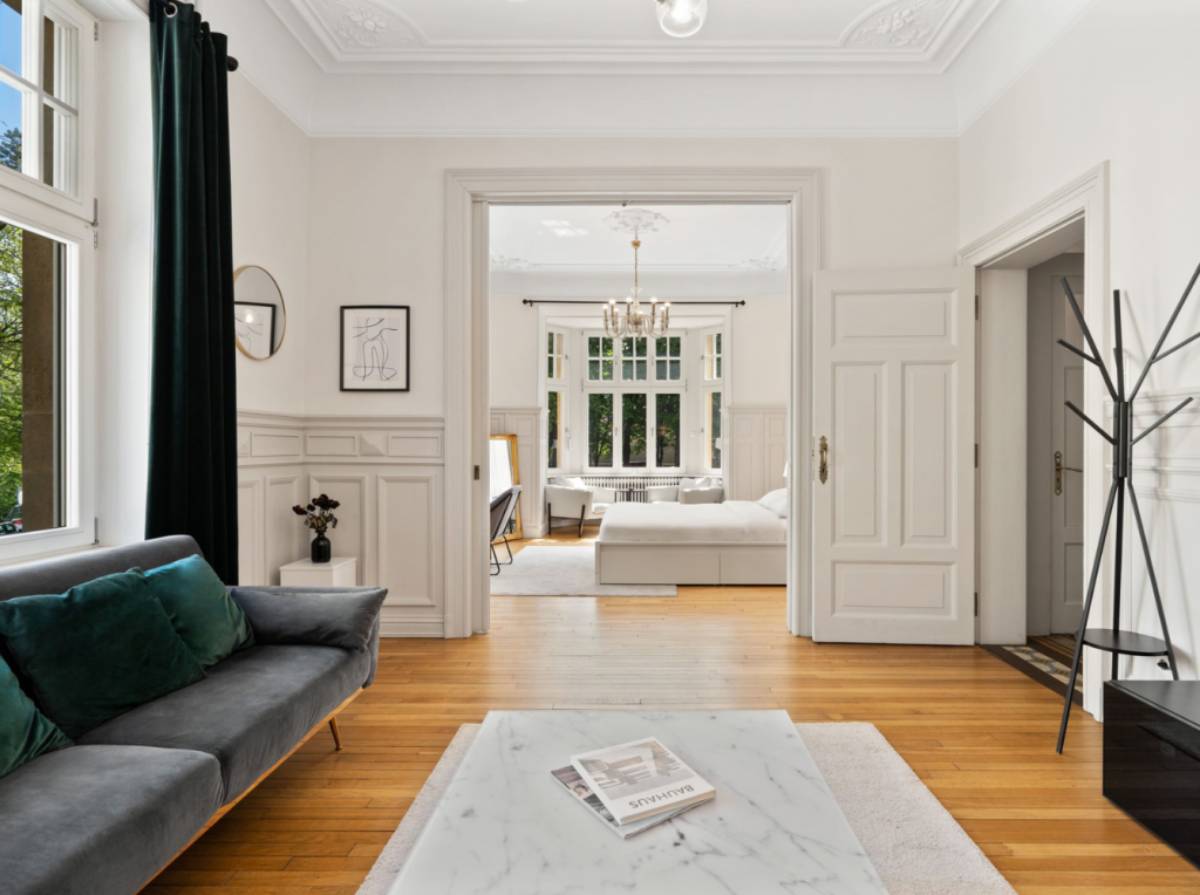
Luxembourg’s evolving housing market is embracing flexible accommodation models as businesses, international professionals, and expatriates seek smarter living solutions. The growing adoption of serviced and flexible housing reflects broader shifts in workforce mobility, corporate relocation, and digital-first living, carrying significant implications for employers, real estate investors, and policymakers.
Flexible housing providers in Luxembourg are responding to rising demand from international talent, remote workers, consultants, and relocating professionals by offering fully furnished, short- and medium-term accommodation. These solutions provide greater convenience, predictable costs, and faster move-in processes compared with traditional rental arrangements.
The trend supports businesses that require efficient employee relocation while reducing administrative burdens associated with cross-border recruitment. As Luxembourg continues attracting skilled professionals across finance, technology, research, and European institutions, flexible accommodation is emerging as an increasingly important component of the country's talent ecosystem.
The development also reflects changing preferences toward mobility, convenience, and digitally enabled property management. Global workforce mobility has undergone significant transformation over the past decade. The expansion of remote work, international recruitment, project-based employment, and digital nomadism has increased demand for housing models that offer flexibility without long-term contractual commitments.
Luxembourg, one of Europe's leading financial and innovation hubs, attracts thousands of international professionals annually across banking, fintech, European institutions, technology, healthcare, and legal services. However, limited housing supply and high rental costs have created challenges for employers seeking to relocate talent quickly.
Flexible accommodation providers have emerged as an effective response by offering ready-to-occupy residences supported by digital booking platforms, simplified leasing processes, and bundled services. Similar housing models have expanded rapidly across major global business centers, reflecting broader trends toward mobility, convenience, and more adaptable urban living solutions.
Real estate analysts suggest that flexible housing is becoming an increasingly important asset class as labor markets grow more international and employers prioritize workforce mobility. Companies competing for specialized talent increasingly recognize that relocation support has become an essential element of recruitment and employee retention strategies.
Industry experts note that serviced apartments and flexible rental solutions can reduce onboarding delays while improving employee experience during international assignments. Digital property management platforms are also enhancing operational efficiency by streamlining bookings, payments, maintenance, and tenant communication.
Urban development specialists argue that flexible housing complements rather than replaces traditional residential markets by serving professionals with temporary or project-based accommodation needs. Continued innovation in housing services is expected to strengthen Luxembourg's competitiveness as an international destination for business, investment, and highly skilled talent.
For businesses, flexible housing provides an effective solution for attracting international employees, reducing relocation timelines, and improving workforce mobility. Employers operating across multiple markets may increasingly integrate accommodation services into broader talent acquisition and human resources strategies.
Investors are likely to monitor demand for professionally managed residential assets capable of serving mobile professionals and expatriate communities. For policymakers, expanding housing flexibility may support economic growth by helping address workforce accommodation challenges while complementing long-term efforts to improve housing availability, affordability, and urban development within Luxembourg's rapidly expanding economy.
Demand for flexible accommodation is expected to grow alongside international recruitment, digital work models, and cross-border business expansion. Decision-makers will closely monitor how property technology, serviced living platforms, and corporate housing providers evolve to meet changing workforce expectations. As global talent mobility increases, flexible housing is likely to become a strategic component of Luxembourg's long-term economic competitiveness and business attractiveness.
Source: Silicon Luxembourg
Date: July 2026


