
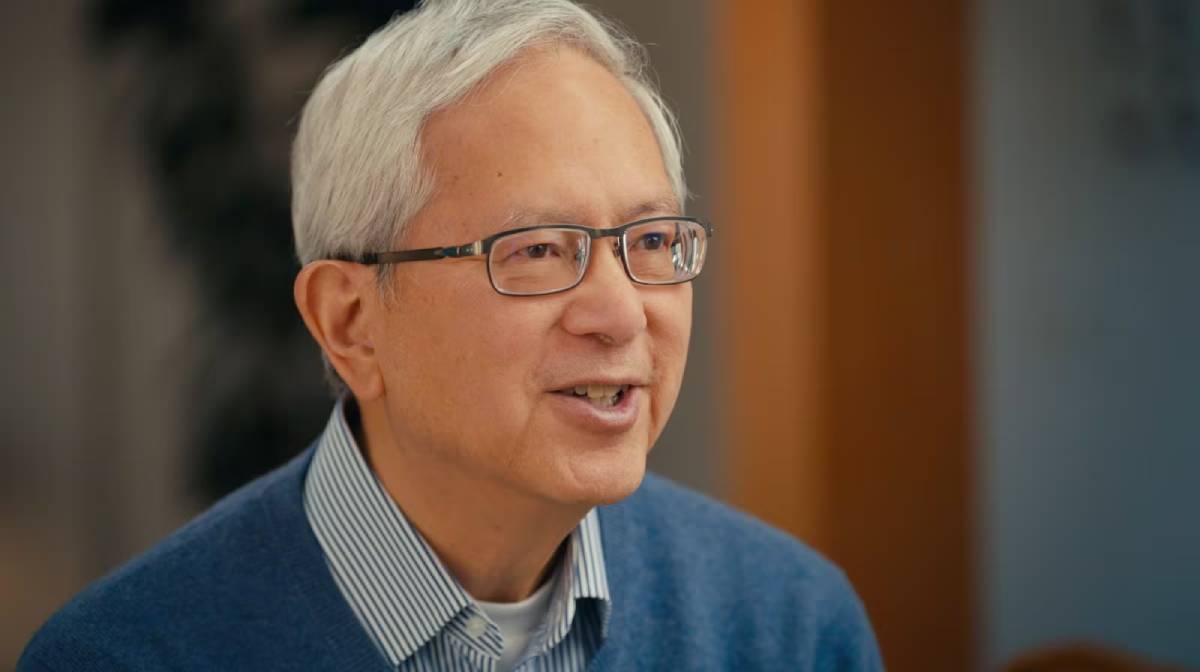
Faith Leaders Address AI Era Challenges

Elder Gerrit W. Gong emphasized the importance of seeking spiritual guidance and maintaining human connection in an era increasingly influenced by artificial intelligence.

June 8, 2026
|
Image Source: Church News

A notable discussion emerged at the intersection of technology and faith as Elder Gerrit W. Gong highlighted the importance of spiritual discernment amid the rapid rise of artificial intelligence. The message reflects a growing global conversation about how individuals, institutions, and societies can balance technological advancement with human values, ethics, and personal conviction.

Elder Gerrit W. Gong emphasized the importance of seeking spiritual guidance and maintaining human connection in an era increasingly influenced by artificial intelligence. His remarks addressed how individuals can navigate technological change while preserving faith-based principles, personal judgment, and moral responsibility.

The discussion comes as AI tools become deeply integrated into education, workplaces, communication platforms, and everyday decision-making processes. Religious leaders across various traditions have increasingly engaged with questions surrounding technology’s role in shaping human behavior and societal values.

The message focused on ensuring that technological tools remain supportive resources rather than replacements for personal reflection, spiritual development, and meaningful human relationships.

The development aligns with a broader trend across global markets where artificial intelligence is influencing not only economic activity but also social, cultural, and ethical discussions. As AI adoption accelerates, concerns have expanded beyond productivity and innovation to include questions about trust, identity, human agency, and decision-making.

Religious institutions, educational organizations, policymakers, and business leaders are increasingly examining how emerging technologies affect human values and social structures. The debate extends beyond technical capabilities to consider how individuals maintain critical thinking, emotional intelligence, and ethical judgment in increasingly automated environments.

Historically, major technological transformations from industrialization to the internet age have prompted similar discussions regarding their impact on society. The AI era is generating renewed attention because of the technology’s growing ability to generate content, influence decisions, and interact in ways that resemble human communication.

This broader context has made ethical and philosophical conversations a significant component of global AI discourse. Experts in technology ethics frequently argue that AI should augment rather than replace human judgment. Researchers note that while AI systems can process information at extraordinary speed, they lack the lived experience, moral reasoning, and emotional understanding that shape human decision-making.

Faith leaders across multiple traditions have increasingly emphasized the importance of maintaining human-centered values as digital technologies become more pervasive. Their perspectives often focus on ensuring that innovation serves human flourishing rather than undermining social cohesion or personal responsibility.

Industry analysts also observe growing demand for trustworthy AI frameworks that emphasize transparency, accountability, and ethical deployment. Many organizations are investing in governance structures designed to balance innovation with responsible use.

The discussion reflects a broader recognition that technological advancement alone cannot address every societal challenge. Human wisdom, cultural institutions, and ethical principles continue to play a critical role in guiding how new technologies are developed and applied.

For businesses, the discussion reinforces the importance of building AI systems that prioritize trust, transparency, and human oversight. Companies deploying AI technologies may face increasing expectations from consumers, employees, and regulators to demonstrate responsible innovation practices.

Investors are also paying closer attention to ethical AI governance as a factor influencing long-term corporate reputation and risk management. Organizations that successfully align technological capabilities with societal expectations may gain a competitive advantage.

From a policy perspective, the conversation contributes to ongoing debates surrounding AI regulation, digital literacy, and accountability frameworks. Governments worldwide are increasingly evaluating how to encourage innovation while ensuring that technology remains aligned with broader public interests and human values.

As artificial intelligence becomes more deeply embedded in daily life, discussions about ethics, spirituality, and human judgment are likely to intensify. Decision-makers across business, government, education, and civil society will continue exploring how to balance technological progress with enduring human values. The evolving dialogue suggests that the future of AI will be shaped not only by engineering breakthroughs but also by society’s broader vision for responsible innovation.

Source: Church News
Date: June 7, 2026

  • Featured tools
Kreateable AI
Free

Kreateable AI is a white-label, AI-driven design platform that enables logo generation, social media posts, ads, and more for businesses, agencies, and service providers.

#
Logo Generator
Learn more
WellSaid Ai
Free

WellSaid AI is an advanced text-to-speech platform that transforms written text into lifelike, human-quality voiceovers.

#
Text to Speech
Learn more

Learn more about future of AI

Join 80,000+ Ai enthusiast getting weekly updates on exciting AI tools.
Thank you! Your submission has been received!
Oops! Something went wrong while submitting the form.

Faith Leaders Address AI Era Challenges

June 8, 2026

Elder Gerrit W. Gong emphasized the importance of seeking spiritual guidance and maintaining human connection in an era increasingly influenced by artificial intelligence.

Image Source: Church News

A notable discussion emerged at the intersection of technology and faith as Elder Gerrit W. Gong highlighted the importance of spiritual discernment amid the rapid rise of artificial intelligence. The message reflects a growing global conversation about how individuals, institutions, and societies can balance technological advancement with human values, ethics, and personal conviction.

Elder Gerrit W. Gong emphasized the importance of seeking spiritual guidance and maintaining human connection in an era increasingly influenced by artificial intelligence. His remarks addressed how individuals can navigate technological change while preserving faith-based principles, personal judgment, and moral responsibility.

The discussion comes as AI tools become deeply integrated into education, workplaces, communication platforms, and everyday decision-making processes. Religious leaders across various traditions have increasingly engaged with questions surrounding technology’s role in shaping human behavior and societal values.

The message focused on ensuring that technological tools remain supportive resources rather than replacements for personal reflection, spiritual development, and meaningful human relationships.

The development aligns with a broader trend across global markets where artificial intelligence is influencing not only economic activity but also social, cultural, and ethical discussions. As AI adoption accelerates, concerns have expanded beyond productivity and innovation to include questions about trust, identity, human agency, and decision-making.

Religious institutions, educational organizations, policymakers, and business leaders are increasingly examining how emerging technologies affect human values and social structures. The debate extends beyond technical capabilities to consider how individuals maintain critical thinking, emotional intelligence, and ethical judgment in increasingly automated environments.

Historically, major technological transformations from industrialization to the internet age have prompted similar discussions regarding their impact on society. The AI era is generating renewed attention because of the technology’s growing ability to generate content, influence decisions, and interact in ways that resemble human communication.

This broader context has made ethical and philosophical conversations a significant component of global AI discourse. Experts in technology ethics frequently argue that AI should augment rather than replace human judgment. Researchers note that while AI systems can process information at extraordinary speed, they lack the lived experience, moral reasoning, and emotional understanding that shape human decision-making.

Faith leaders across multiple traditions have increasingly emphasized the importance of maintaining human-centered values as digital technologies become more pervasive. Their perspectives often focus on ensuring that innovation serves human flourishing rather than undermining social cohesion or personal responsibility.

Industry analysts also observe growing demand for trustworthy AI frameworks that emphasize transparency, accountability, and ethical deployment. Many organizations are investing in governance structures designed to balance innovation with responsible use.

The discussion reflects a broader recognition that technological advancement alone cannot address every societal challenge. Human wisdom, cultural institutions, and ethical principles continue to play a critical role in guiding how new technologies are developed and applied.

For businesses, the discussion reinforces the importance of building AI systems that prioritize trust, transparency, and human oversight. Companies deploying AI technologies may face increasing expectations from consumers, employees, and regulators to demonstrate responsible innovation practices.

Investors are also paying closer attention to ethical AI governance as a factor influencing long-term corporate reputation and risk management. Organizations that successfully align technological capabilities with societal expectations may gain a competitive advantage.

From a policy perspective, the conversation contributes to ongoing debates surrounding AI regulation, digital literacy, and accountability frameworks. Governments worldwide are increasingly evaluating how to encourage innovation while ensuring that technology remains aligned with broader public interests and human values.

As artificial intelligence becomes more deeply embedded in daily life, discussions about ethics, spirituality, and human judgment are likely to intensify. Decision-makers across business, government, education, and civil society will continue exploring how to balance technological progress with enduring human values. The evolving dialogue suggests that the future of AI will be shaped not only by engineering breakthroughs but also by society’s broader vision for responsible innovation.

Source: Church News
Date: June 7, 2026

Promote Your Tool

Copy Embed Code

Similar Blogs

June 19, 2026
|

Apple iPhone Camera Controls Expand AI

The report outlines how users can modify or disable AI-assisted camera functions on Apple iPhone devices, particularly features that influence image processing and computational enhancements.
Read more
June 19, 2026
|

Samsung Expands Galaxy AI Controls Push

The guide details how users can adjust or disable AI-driven features on Samsung Galaxy smartphones, including tools integrated into Samsung Galaxy smartphones.
Read more
June 19, 2026
|

Google Expands Smart Home Ecosystem

The latest compilation of Google voice commands focuses on how users can interact with Google Assistant and connected smart home systems. Commands span entertainment, home automation, productivity, navigation.
Read more
June 19, 2026
|

AI Dating Apps Face User Backlash

Survey data indicates that while adoption of AI-based dating assistants and companion tools is increasing, user sentiment is becoming increasingly polarized.
Read more
June 19, 2026
|

Apple Signals Price Hikes Amid Cost Pressures

Apple CEO Tim Cook indicated that escalating costs tied to components such as memory, advanced processors, and logistics are becoming structurally embedded across the company’s manufacturing pipeline.
Read more
June 19, 2026
|

Adobe Embeds AI Assistants Across Tools

Adobe is positioning these assistants as task-oriented agents capable of handling repetitive editing workflows such as object removal.
Read more