



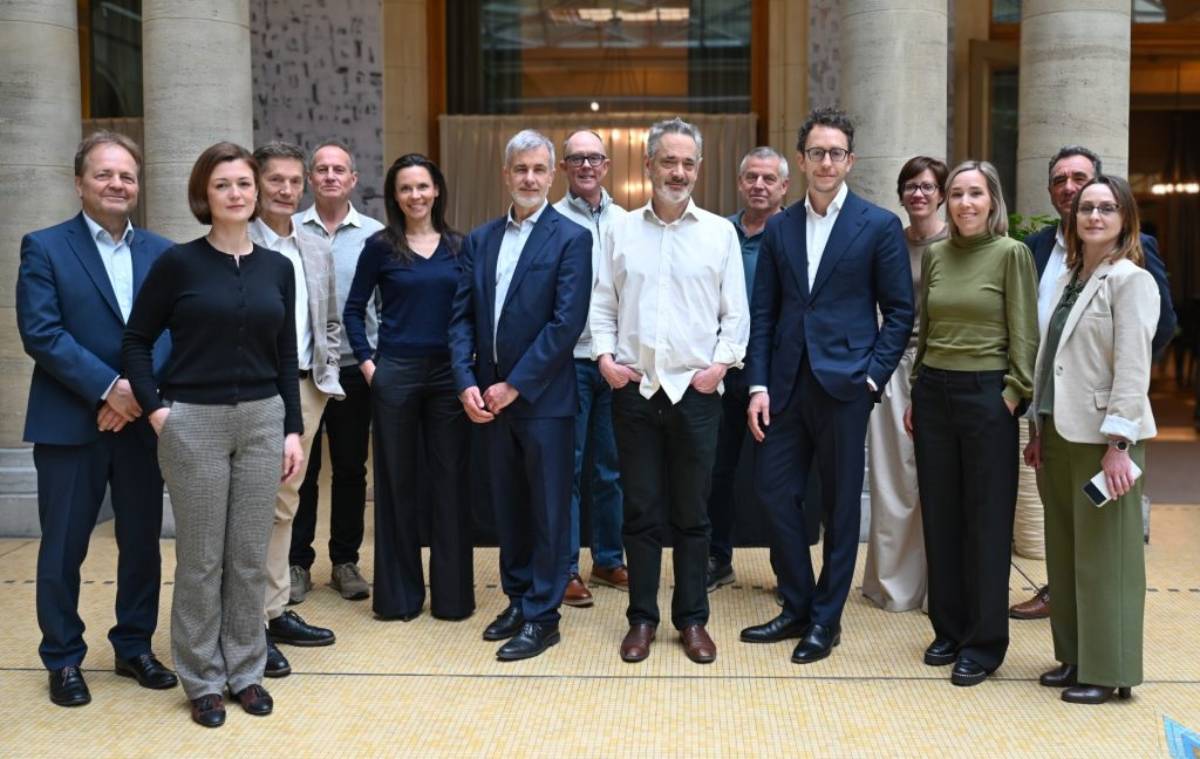
USIL Therapeutics has secured a €5.2 million European Union grant to accelerate the development of advanced radiation-based cancer therapies, underscoring Europe's continued commitment to strengthening healthcare innovation. The funding reinforces the strategic importance of deep-tech biotechnology and precision medicine for patients, investors, and the broader life sciences ecosystem.
USIL Therapeutics received €5.2 million in European funding to advance its research and commercialization of innovative radiation-based therapeutic technologies. The investment is expected to support product development, scientific validation, regulatory progress, and clinical advancement.
The funding reflects the European Union's broader strategy of supporting breakthrough healthcare innovations capable of addressing significant medical challenges. By backing early-stage biotechnology companies, the EU aims to strengthen Europe's competitiveness in life sciences while encouraging the translation of academic research into commercially viable medical solutions.
The grant also enhances Luxembourg's growing reputation as a hub for health innovation, biotechnology, and research-driven entrepreneurship. The development aligns with a broader global trend where governments and public institutions are increasing investments in biotechnology, precision medicine, and advanced cancer treatments. Rising healthcare demands, aging populations, and scientific advances have accelerated funding for innovative therapies capable of improving treatment outcomes while reducing long-term healthcare costs.
Across Europe, public funding programs have become an important catalyst for biotechnology startups, helping bridge the financing gap between laboratory research and commercial deployment. Such investments complement private venture capital by reducing technological risk and supporting lengthy research and regulatory processes that characterize life sciences innovation.
Luxembourg has steadily expanded its healthcare and biotechnology ecosystem through research partnerships, startup support, and international collaboration. By attracting innovative companies and supporting scientific entrepreneurship, the country seeks to strengthen its position within Europe's growing healthtech and biomedical innovation landscape.
Healthcare analysts view public investment in biotechnology as a critical driver of medical innovation, particularly in fields requiring significant research, clinical validation, and regulatory approval before commercialization. Grant funding allows promising companies to focus on scientific development while improving their ability to attract future private investment.
Industry experts note that precision medicine and targeted radiation therapies represent one of the fastest-evolving segments of oncology, with researchers increasingly developing treatments designed to improve effectiveness while minimizing damage to healthy tissue.
Observers also emphasize that successful commercialization depends on continued collaboration among research institutions, healthcare providers, regulators, and investors. Public-private partnerships remain essential for translating scientific breakthroughs into accessible clinical treatments that can benefit healthcare systems and patients worldwide.
For biotechnology companies, the funding demonstrates continued European support for high-impact healthcare innovation and highlights opportunities for research-driven startups seeking non-dilutive capital.
Investors may view publicly funded biotechnology firms as attractive prospects because government backing can reduce development risk while validating technological potential. Healthcare providers could ultimately benefit from more advanced treatment options as innovative therapies progress toward commercialization.
For policymakers, the investment reinforces the importance of sustained public funding for scientific research, medical innovation, and cross-border collaboration to strengthen Europe's global competitiveness in life sciences and improve long-term healthcare resilience.
USIL Therapeutics is expected to use the grant to advance research, clinical development, and regulatory milestones over the coming years. Executives, investors, and healthcare stakeholders will closely monitor scientific progress, partnership opportunities, and commercialization timelines as Europe continues investing in next-generation cancer therapies and precision medicine innovation.
Source: Silicon Luxembourg
Date: June 25, 2026


