
ESA Backs Space Drug Discovery

Exobiosphere has been selected by the European Space Agency to support research exploring how microgravity environments can improve pharmaceutical development and biomedical innovation.

July 29, 2026
|
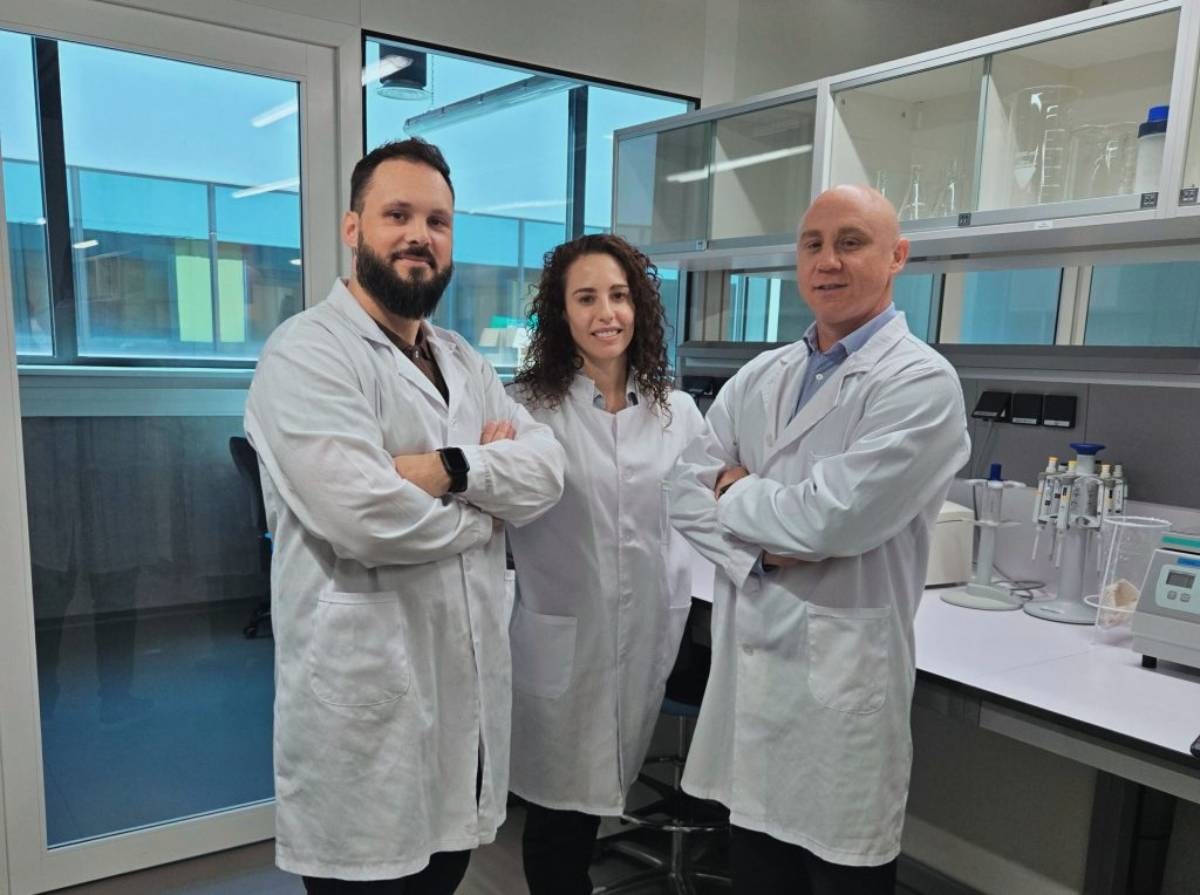
Image Source: Silicon Luxembourg

Luxembourg based Exobiosphere has secured a contract from the European Space Agency (ESA) to advance microgravity research for pharmaceutical development. The agreement highlights Europe's growing investment in commercial space biotechnology and reinforces the strategic role of space-based innovation in accelerating drug discovery and life sciences research.

Exobiosphere has been selected by the European Space Agency to support research exploring how microgravity environments can improve pharmaceutical development and biomedical innovation. The contract enables the company to further develop technologies that utilize conditions in orbit to conduct experiments that are difficult or impossible to replicate on Earth.

The collaboration strengthens Luxembourg's expanding space technology ecosystem while reinforcing ESA's commitment to commercial partnerships with innovative startups. The project aims to unlock new scientific insights that could improve drug formulation, protein crystallization, and biological research, supporting Europe's ambitions to remain competitive in both the global space economy and advanced healthcare innovation.

Space-based biotechnology has emerged as one of the fastest-growing segments of the commercial space industry. Researchers have increasingly demonstrated that microgravity can influence biological processes, enabling more precise protein crystal growth, advanced cell research, and pharmaceutical experimentation. These capabilities have attracted growing interest from pharmaceutical companies seeking to accelerate drug discovery and improve therapeutic development.

Europe has steadily expanded investments in commercial space innovation through public-private partnerships involving startups, research institutions, and established aerospace organizations. Luxembourg has positioned itself as a leading European space economy by supporting companies involved in satellite technologies, orbital infrastructure, and space-enabled life sciences.

The ESA contract reflects a broader international trend where governments are encouraging commercialization of space research, transforming orbital laboratories into platforms for industrial innovation with applications extending far beyond traditional aerospace activities.

Industry experts view Exobiosphere's ESA contract as another indication that commercial space is evolving from satellite services toward high-value scientific applications. Analysts suggest that biotechnology conducted in microgravity could unlock discoveries with significant commercial potential for pharmaceutical companies, healthcare providers, and biomedical researchers.

Space policy specialists argue that partnerships between public agencies and innovative startups reduce barriers to accessing orbital research while accelerating commercialization of scientific breakthroughs. Such collaborations also strengthen Europe's technological sovereignty by fostering domestic innovation capabilities in strategically important sectors.

Corporate executives increasingly recognize that life sciences represent one of the most promising growth opportunities within the space economy. By combining biotechnology, artificial intelligence, and advanced laboratory automation, companies like Exobiosphere could create entirely new business models serving pharmaceutical research and precision medicine.

Experts also expect demand for orbital research services to expand as launch costs decline and commercial space infrastructure matures. For businesses, the ESA contract demonstrates growing opportunities at the intersection of biotechnology, pharmaceuticals, and commercial space. Pharmaceutical companies may increasingly explore partnerships with space-focused research firms to accelerate innovation while improving drug development efficiency.

Investors are likely to interpret the agreement as evidence of rising commercial confidence in Europe's expanding space biotechnology sector, an area attracting increasing public and private investment.

From a policy standpoint, the collaboration reinforces Europe's strategy of supporting high-value research through space programs while strengthening technological independence. Governments may continue expanding funding mechanisms that encourage startups to develop commercially viable applications using orbital research environments.

Attention will now shift to Exobiosphere's progress in executing its ESA-supported research and translating scientific discoveries into commercial pharmaceutical applications. Decision-makers will monitor research milestones, future partnerships, and the broader commercialization of microgravity-enabled biotechnology. As the global space economy diversifies, life sciences are expected to become an increasingly important pillar of Europe's innovation and industrial competitiveness.

Source: Silicon Luxembourg
Date: July 2026

  • Featured tools
Ai Fiesta
Paid

AI Fiesta is an all-in-one productivity platform that gives users access to multiple leading AI models through a single interface. It includes features like prompt enhancement, image generation, audio transcription and side-by-side model comparison.

#
Copywriting
#
Art Generator
Learn more
Hostinger Website Builder
Paid

Hostinger Website Builder is a drag-and-drop website creator bundled with hosting and AI-powered tools, designed for businesses, blogs and small shops with minimal technical effort.It makes launching a site fast and affordable, with templates, responsive design and built-in hosting all in one.

#
Productivity
#
Startup Tools
#
Ecommerce
Learn more

Learn more about future of AI

Join 80,000+ Ai enthusiast getting weekly updates on exciting AI tools.
Thank you! Your submission has been received!
Oops! Something went wrong while submitting the form.

ESA Backs Space Drug Discovery

July 29, 2026

Exobiosphere has been selected by the European Space Agency to support research exploring how microgravity environments can improve pharmaceutical development and biomedical innovation.

Image Source: Silicon Luxembourg

Luxembourg based Exobiosphere has secured a contract from the European Space Agency (ESA) to advance microgravity research for pharmaceutical development. The agreement highlights Europe's growing investment in commercial space biotechnology and reinforces the strategic role of space-based innovation in accelerating drug discovery and life sciences research.

Exobiosphere has been selected by the European Space Agency to support research exploring how microgravity environments can improve pharmaceutical development and biomedical innovation. The contract enables the company to further develop technologies that utilize conditions in orbit to conduct experiments that are difficult or impossible to replicate on Earth.

The collaboration strengthens Luxembourg's expanding space technology ecosystem while reinforcing ESA's commitment to commercial partnerships with innovative startups. The project aims to unlock new scientific insights that could improve drug formulation, protein crystallization, and biological research, supporting Europe's ambitions to remain competitive in both the global space economy and advanced healthcare innovation.

Space-based biotechnology has emerged as one of the fastest-growing segments of the commercial space industry. Researchers have increasingly demonstrated that microgravity can influence biological processes, enabling more precise protein crystal growth, advanced cell research, and pharmaceutical experimentation. These capabilities have attracted growing interest from pharmaceutical companies seeking to accelerate drug discovery and improve therapeutic development.

Europe has steadily expanded investments in commercial space innovation through public-private partnerships involving startups, research institutions, and established aerospace organizations. Luxembourg has positioned itself as a leading European space economy by supporting companies involved in satellite technologies, orbital infrastructure, and space-enabled life sciences.

The ESA contract reflects a broader international trend where governments are encouraging commercialization of space research, transforming orbital laboratories into platforms for industrial innovation with applications extending far beyond traditional aerospace activities.

Industry experts view Exobiosphere's ESA contract as another indication that commercial space is evolving from satellite services toward high-value scientific applications. Analysts suggest that biotechnology conducted in microgravity could unlock discoveries with significant commercial potential for pharmaceutical companies, healthcare providers, and biomedical researchers.

Space policy specialists argue that partnerships between public agencies and innovative startups reduce barriers to accessing orbital research while accelerating commercialization of scientific breakthroughs. Such collaborations also strengthen Europe's technological sovereignty by fostering domestic innovation capabilities in strategically important sectors.

Corporate executives increasingly recognize that life sciences represent one of the most promising growth opportunities within the space economy. By combining biotechnology, artificial intelligence, and advanced laboratory automation, companies like Exobiosphere could create entirely new business models serving pharmaceutical research and precision medicine.

Experts also expect demand for orbital research services to expand as launch costs decline and commercial space infrastructure matures. For businesses, the ESA contract demonstrates growing opportunities at the intersection of biotechnology, pharmaceuticals, and commercial space. Pharmaceutical companies may increasingly explore partnerships with space-focused research firms to accelerate innovation while improving drug development efficiency.

Investors are likely to interpret the agreement as evidence of rising commercial confidence in Europe's expanding space biotechnology sector, an area attracting increasing public and private investment.

From a policy standpoint, the collaboration reinforces Europe's strategy of supporting high-value research through space programs while strengthening technological independence. Governments may continue expanding funding mechanisms that encourage startups to develop commercially viable applications using orbital research environments.

Attention will now shift to Exobiosphere's progress in executing its ESA-supported research and translating scientific discoveries into commercial pharmaceutical applications. Decision-makers will monitor research milestones, future partnerships, and the broader commercialization of microgravity-enabled biotechnology. As the global space economy diversifies, life sciences are expected to become an increasingly important pillar of Europe's innovation and industrial competitiveness.

Source: Silicon Luxembourg
Date: July 2026

Promote Your Tool

Copy Embed Code

Similar Blogs

August 14, 2026
|

Benefitfocus Expands Digital Benefits Administration

Benefitfocus provides cloud-based technology covering benefits enrollment, administration, communications, billing, payments and data exchange.
Read more
August 14, 2026
|

Travel Agent Revenue Models Evolve Digitally

Travel agencies can earn commissions when customers book hotels, cruises, tours, vacation packages and other travel products through them. Suppliers may pay agents for generating bookings, making commissions a traditional component of agency revenue.
Read more
August 14, 2026
|

Sofon Advances Guided Selling CPQ Automation

Sofon's platform combines guided selling, product configuration, pricing, quotation and sales-management capabilities. Guided questionnaires help sales teams identify customer requirements and translate them into suitable product configurations.
Read more
August 14, 2026
|

WellRyde Advances Medical Transportation Management

WellRyde provides technology for managing non-emergency medical transportation operations, including trip scheduling, dispatch coordination, transportation-provider management and reporting.
Read more
August 14, 2026
|

Review WAVE Advances Digital Patient Engagement

Review WAVE provides healthcare practices with tools for online appointment scheduling, two-way texting, automated appointment reminders, digital forms, web chat, marketing campaigns and online review generation.
Read more
August 14, 2026
|

Edgenuity Expands Digital Virtual Education

Edgenuity provides digital curriculum and learning solutions covering core academic subjects, electives, Advanced Placement and career-oriented education.
Read more