



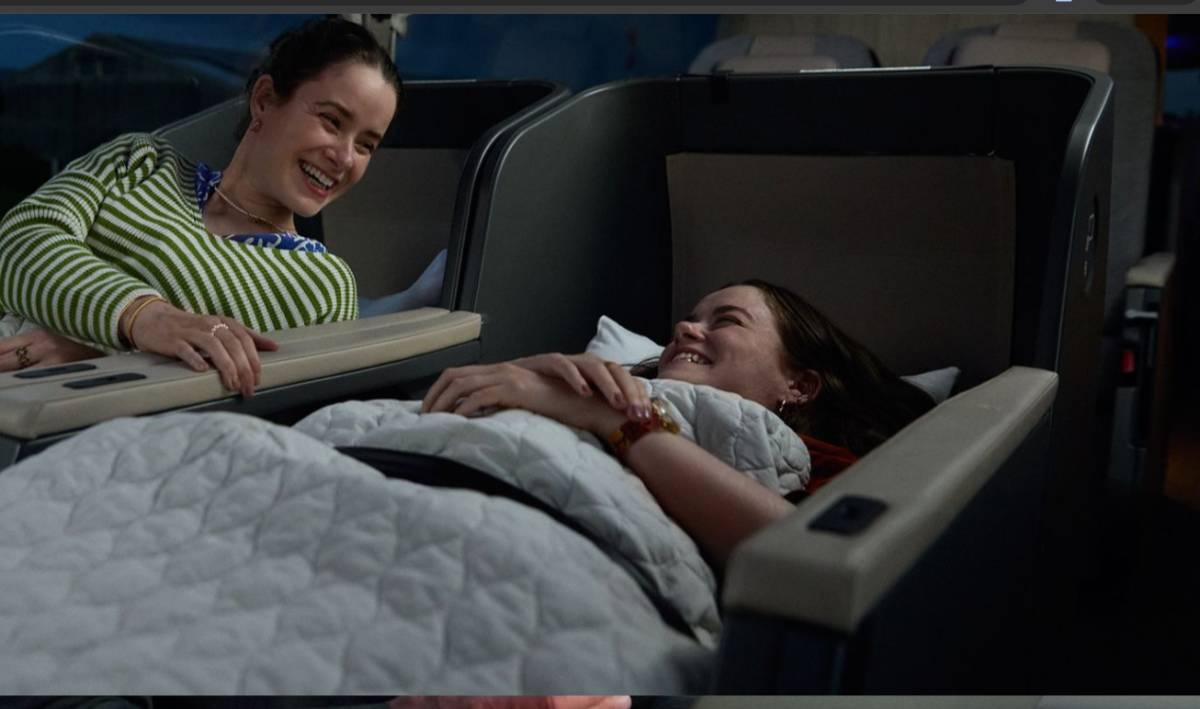
Luxembourg transport leader Emile Weber has invested in mobility startup Twiliner, supporting the development of innovative lie-flat buses designed to redefine long-distance overnight travel. The investment highlights growing interest in sustainable transport alternatives that combine passenger comfort with lower environmental impact, creating new opportunities across Europe’s evolving mobility ecosystem.
Emile Weber has announced a strategic investment in Twiliner, a company developing lie-flat sleeping buses intended to provide a more comfortable alternative to conventional overnight coach travel. The partnership combines Twiliner’s transport innovation with Emile Weber’s operational expertise and established presence in the European mobility sector.
The investment is expected to support product development, commercialization, and broader market deployment of the next-generation buses. By offering passengers private sleeping spaces rather than traditional reclining seats, Twiliner aims to improve the long-distance travel experience while encouraging greater use of shared, lower-emission transportation. The collaboration reflects increasing investor interest in sustainable mobility technologies capable of transforming regional transportation networks.
Europe’s transportation sector is undergoing significant transformation as governments, operators, and investors seek greener alternatives to short-haul aviation and private vehicle travel. Rail expansion, electric mobility, shared transportation, and low-carbon infrastructure have become central pillars of European climate policy.
At the same time, travelers increasingly expect greater comfort, convenience, and affordability when choosing sustainable transportation options. Overnight mobility solutions have gained renewed attention as operators attempt to reduce travel emissions while preserving passenger comfort during longer journeys.
The development aligns with a broader trend across global markets where mobility innovation extends beyond electrification to include customer experience and operational efficiency. Startups developing next-generation transport concepts are attracting investment from established industry players seeking to diversify services and remain competitive amid changing consumer preferences and environmental regulations.
Mobility experts argue that innovation in passenger experience will become just as important as advances in vehicle technology over the coming decade. While electrification remains a major focus, operators are increasingly investing in solutions that encourage travelers to shift away from carbon-intensive transport by offering superior comfort and convenience.
Twiliner’s lie-flat concept reflects this evolving strategy by combining hospitality-inspired design with sustainable public transportation. Industry analysts note that partnerships between established transport operators and emerging mobility startups can accelerate commercialization while reducing operational risks.
Transportation policymakers across Europe continue supporting initiatives that reduce emissions without limiting connectivity. Experts also emphasize that innovative travel formats capable of replacing selected short-haul flights could contribute meaningfully to broader climate objectives while creating new commercial opportunities for transport operators and infrastructure providers.
For transportation companies, the investment demonstrates growing commercial interest in differentiated mobility services that prioritize passenger experience alongside sustainability. Operators adopting innovative travel models may strengthen competitiveness as consumer expectations evolve.
Investors are likely to continue monitoring mobility startups capable of addressing environmental goals while creating scalable business opportunities. Policymakers may view similar partnerships as supportive of Europe's wider objectives for decarbonizing transportation and encouraging modal shifts from aviation to lower-emission alternatives.
For corporate leaders, the initiative highlights how innovation, strategic investment, and customer-centric design are increasingly becoming competitive drivers across the transportation industry.
As Europe accelerates its transition toward sustainable mobility, next-generation passenger transport concepts are expected to attract increasing investment and regulatory support. Decision-makers should monitor Twiliner's commercialization progress, passenger adoption rates, and broader market acceptance of premium overnight bus services. Successful deployment could influence future investment strategies across the mobility sector while reshaping long-distance travel options throughout Europe.
Source: Silicon Luxembourg
Date: July 14, 2026


