



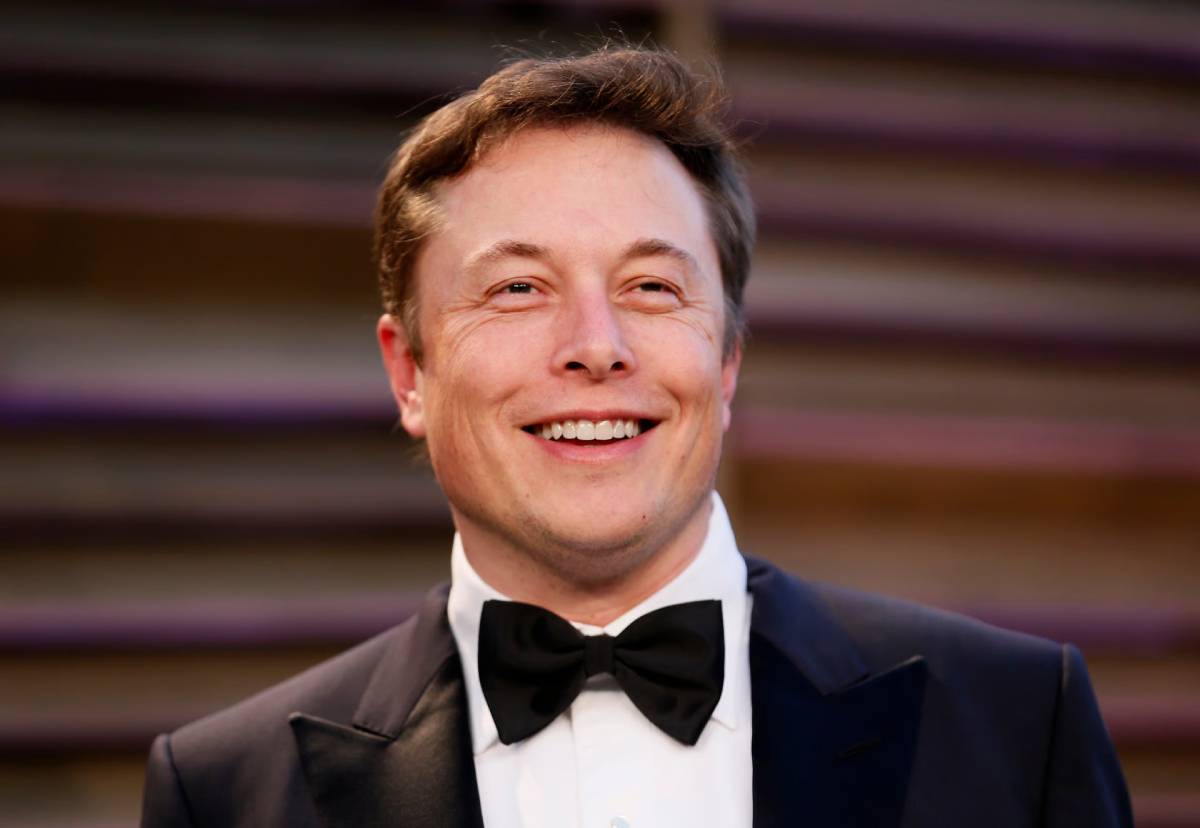
A major development unfolded today as Elon Musk’s xAI officially established operations in Bellevue, Washington, positioning itself alongside OpenAI and other AI innovators in the region. This move signals a strategic expansion of the Eastside AI corridor, with implications for talent acquisition, regional economic growth, and competitive dynamics in the global artificial intelligence sector.
xAI’s Bellevue office will focus on next-generation AI research, product development, and potential collaborations with existing tech firms in the Seattle metropolitan area. The expansion adds to the region’s growing reputation as a U.S. AI hub, joining OpenAI and multiple emerging AI startups.
The announcement comes amid an ongoing talent war, as companies compete for AI researchers, engineers, and data scientists. Musk’s move also signals continued investment in AI infrastructure outside traditional Silicon Valley strongholds. Local policymakers have highlighted potential economic benefits, including job creation, commercial partnerships, and increased venture capital interest in Eastside startups.
The development aligns with a broader trend of decentralization in AI innovation across the United States. While Silicon Valley has historically dominated AI research and commercialization, regions like Bellevue are attracting high-profile firms through lower costs, proximity to research institutions, and access to a deep tech talent pool.
Eastside cities have seen a surge in AI startups, venture funding, and corporate expansions over the past five years. OpenAI’s presence, combined with Microsoft’s research labs, has already positioned the region as a strategic alternative to California. Musk’s xAI adds a high-profile anchor tenant, potentially accelerating local collaboration networks and spurring ancillary economic activity. This move reflects the global AI arms race, where companies seek both innovation hubs and operational advantages.
Industry analysts note that Musk’s xAI landing in Bellevue underscores the intensifying competition for AI leadership in North America. One expert observed that “the Eastside corridor now rivals Silicon Valley for strategic AI talent and infrastructure, potentially redefining the U.S. innovation map.”
Corporate leaders highlight the benefits of geographic diversification, noting that proximity to Microsoft, Amazon, and other tech giants could foster strategic partnerships and accelerate product development. Local economic development officials praised the announcement, emphasizing job creation, talent retention, and increased venture investment.
Some market analysts caution that the AI talent shortage could intensify wage pressures and operational competition, but agree that xAI’s move signals confidence in Bellevue’s ecosystem. Geopolitical observers also note that U.S. firms are increasingly positioning AI operations to secure technological sovereignty amid rising global competition.
For businesses, Musk’s xAI expansion signals a growing concentration of AI capabilities outside traditional hubs, which could reshape corporate partnerships, talent pipelines, and innovation strategies. Investors may view the Eastside corridor as a new hotspot for venture funding and M&A opportunities.
Policymakers face strategic considerations around zoning, infrastructure, and workforce development to support the burgeoning AI sector. The presence of high-profile AI firms may also influence regulatory discussions, particularly regarding intellectual property, data governance, and ethical AI standards. Companies operating nationwide must reassess regional strategies to remain competitive in AI-driven markets.
The Eastside AI corridor is likely to see further expansion as more AI startups and established firms follow xAI’s lead. Decision-makers will monitor talent inflows, venture capital activity, and collaborative initiatives with local universities and tech firms. The main uncertainty lies in whether regional infrastructure and policy frameworks can keep pace with rapid growth, potentially determining the corridor’s long-term competitiveness relative to Silicon Valley and other global AI hubs.
Source: GeekWire
Date: February 2026


