
Eduphoria Advances K-12 Education Management

Eduphoria brings multiple education-management capabilities together within a unified platform serving teachers, administrators and district leaders.

August 14, 2026
|

Eduphoria is advancing digital K-12 education management through an integrated suite designed to connect assessment, curriculum planning, professional development and administrative workflows. The platform addresses a growing need among schools and districts for centralized education technology that can reduce operational complexity, improve data visibility and support more informed decisions across the learning environment.

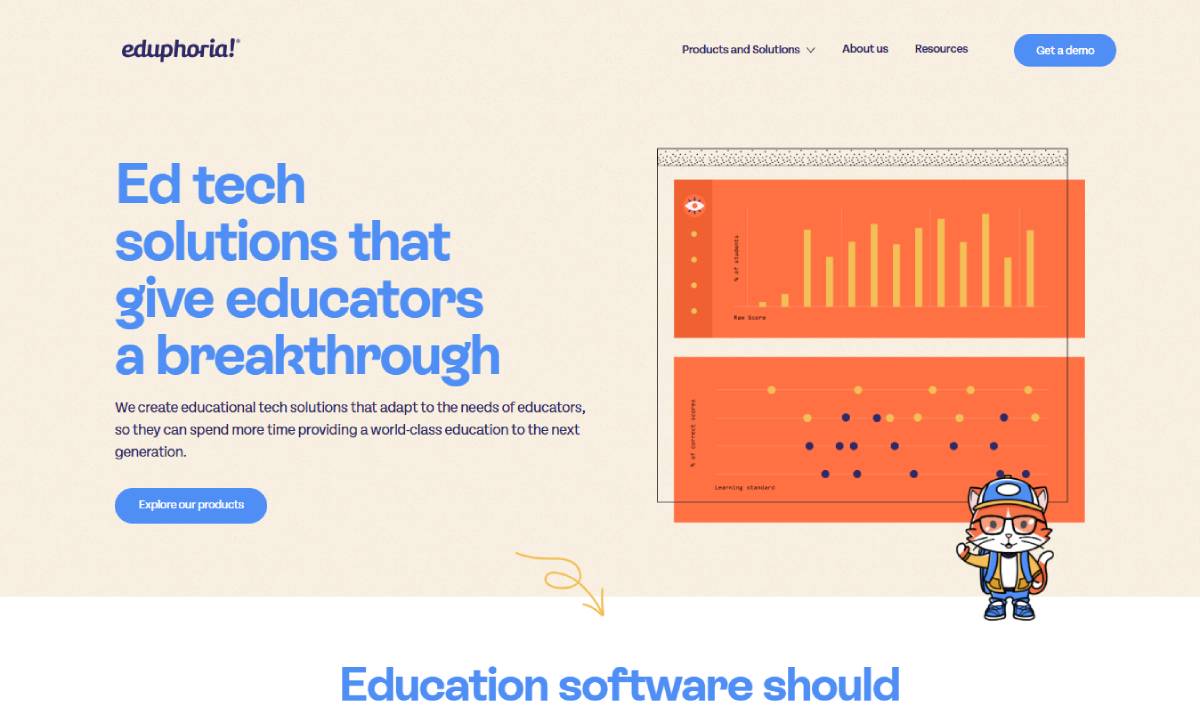
Eduphoria brings multiple education-management capabilities together within a unified platform serving teachers, administrators and district leaders. Its ecosystem includes tools for assessment and data analysis, professional development, curriculum management and administrative workflows. These capabilities allow education organizations to manage academic information while supporting instructional planning and staff development.

Assessment functionality can help educators create evaluations, analyze results and monitor student performance. Curriculum tools support collaborative planning and alignment, while professional-development capabilities help districts manage staff evaluation and learning activities.

The platform's integrated approach is particularly relevant for districts managing large amounts of student, curriculum and staff information across multiple schools. Education technology has become increasingly important as school districts seek to improve learning outcomes while managing growing administrative requirements. Yet many institutions continue to operate multiple disconnected applications for assessments, curriculum, teacher evaluation and professional development.

Fragmented technology environments can create duplicated work and make it difficult for administrators to obtain a consistent view of district performance. Eduphoria's integrated model reflects a broader move toward connected education-management ecosystems designed to bring these functions closer together.

The shift also aligns with increasing emphasis on data-driven instruction. Assessment information can help educators identify learning gaps, monitor progress and adjust teaching strategies, while curriculum systems can help ensure instructional resources remain aligned with academic objectives.

For district executives, the issue extends beyond classroom technology. Integrated platforms can potentially improve operational efficiency, simplify technology management and provide leaders with more consistent information for planning and resource allocation.

Eduphoria's approach reflects the growing expectation that education platforms should turn raw academic information into practical insights for educators and administrators. Assessment data, for example, becomes more valuable when teachers can use it to identify student needs and connect findings to instructional planning.

Professional development is another important component. Technology that connects teacher evaluation, professional learning and instructional objectives can help districts create more structured approaches to staff development.

However, education leaders must balance technology adoption with data governance and usability. Student and employee information requires strong privacy protections, access controls and clear policies governing how data is collected and used.

Successful implementation also depends on educator adoption. Even capable systems may deliver limited value if teachers and administrators face excessive complexity or insufficient training.

The broader education-technology market is therefore moving toward platforms that combine functionality with accessibility, interoperability and actionable analytics rather

For school districts, integrated education-management software can reduce technology fragmentation and streamline workflows spanning assessment, curriculum and professional development. This may help administrators improve coordination across schools and departments.

For educators, centralized access to student and instructional information can support more informed classroom decisions. District leaders can potentially gain stronger visibility into academic performance, staff development and resource requirements.

The policy implications are significant because education platforms handle sensitive student and employee information. Districts must evaluate privacy, security, data retention, user permissions and compliance requirements before deployment.

Executives should also assess implementation costs, interoperability, scalability and training requirements. The strongest technology strategy will combine digital efficiency with responsible data governance and measurable improvements in educational outcomes.

K-12 technology is expected to become increasingly connected, analytics-driven and automated. Eduphoria is positioned within this broader transition toward integrated platforms that combine academic and administrative functions. Decision-makers should monitor interoperability, data analytics, security and educator adoption as districts modernize their technology infrastructure. The long-term opportunity is to create a more connected education environment where reliable data supports better instructional decisions, stronger staff development and more efficient district operations.

Source: Eduphoria and Serchen
Date: August 14, 2026

  • Featured tools
Kreateable AI
Free

Kreateable AI is a white-label, AI-driven design platform that enables logo generation, social media posts, ads, and more for businesses, agencies, and service providers.

#
Logo Generator
Learn more
Murf Ai
Free

Murf AI Review – Advanced AI Voice Generator for Realistic Voiceovers

#
Text to Speech
Learn more

Learn more about future of AI

Join 80,000+ Ai enthusiast getting weekly updates on exciting AI tools.
Thank you! Your submission has been received!
Oops! Something went wrong while submitting the form.

Eduphoria Advances K-12 Education Management

August 14, 2026

Eduphoria brings multiple education-management capabilities together within a unified platform serving teachers, administrators and district leaders.

Eduphoria is advancing digital K-12 education management through an integrated suite designed to connect assessment, curriculum planning, professional development and administrative workflows. The platform addresses a growing need among schools and districts for centralized education technology that can reduce operational complexity, improve data visibility and support more informed decisions across the learning environment.

Eduphoria brings multiple education-management capabilities together within a unified platform serving teachers, administrators and district leaders. Its ecosystem includes tools for assessment and data analysis, professional development, curriculum management and administrative workflows. These capabilities allow education organizations to manage academic information while supporting instructional planning and staff development.

Assessment functionality can help educators create evaluations, analyze results and monitor student performance. Curriculum tools support collaborative planning and alignment, while professional-development capabilities help districts manage staff evaluation and learning activities.

The platform's integrated approach is particularly relevant for districts managing large amounts of student, curriculum and staff information across multiple schools. Education technology has become increasingly important as school districts seek to improve learning outcomes while managing growing administrative requirements. Yet many institutions continue to operate multiple disconnected applications for assessments, curriculum, teacher evaluation and professional development.

Fragmented technology environments can create duplicated work and make it difficult for administrators to obtain a consistent view of district performance. Eduphoria's integrated model reflects a broader move toward connected education-management ecosystems designed to bring these functions closer together.

The shift also aligns with increasing emphasis on data-driven instruction. Assessment information can help educators identify learning gaps, monitor progress and adjust teaching strategies, while curriculum systems can help ensure instructional resources remain aligned with academic objectives.

For district executives, the issue extends beyond classroom technology. Integrated platforms can potentially improve operational efficiency, simplify technology management and provide leaders with more consistent information for planning and resource allocation.

Eduphoria's approach reflects the growing expectation that education platforms should turn raw academic information into practical insights for educators and administrators. Assessment data, for example, becomes more valuable when teachers can use it to identify student needs and connect findings to instructional planning.

Professional development is another important component. Technology that connects teacher evaluation, professional learning and instructional objectives can help districts create more structured approaches to staff development.

However, education leaders must balance technology adoption with data governance and usability. Student and employee information requires strong privacy protections, access controls and clear policies governing how data is collected and used.

Successful implementation also depends on educator adoption. Even capable systems may deliver limited value if teachers and administrators face excessive complexity or insufficient training.

The broader education-technology market is therefore moving toward platforms that combine functionality with accessibility, interoperability and actionable analytics rather

For school districts, integrated education-management software can reduce technology fragmentation and streamline workflows spanning assessment, curriculum and professional development. This may help administrators improve coordination across schools and departments.

For educators, centralized access to student and instructional information can support more informed classroom decisions. District leaders can potentially gain stronger visibility into academic performance, staff development and resource requirements.

The policy implications are significant because education platforms handle sensitive student and employee information. Districts must evaluate privacy, security, data retention, user permissions and compliance requirements before deployment.

Executives should also assess implementation costs, interoperability, scalability and training requirements. The strongest technology strategy will combine digital efficiency with responsible data governance and measurable improvements in educational outcomes.

K-12 technology is expected to become increasingly connected, analytics-driven and automated. Eduphoria is positioned within this broader transition toward integrated platforms that combine academic and administrative functions. Decision-makers should monitor interoperability, data analytics, security and educator adoption as districts modernize their technology infrastructure. The long-term opportunity is to create a more connected education environment where reliable data supports better instructional decisions, stronger staff development and more efficient district operations.

Source: Eduphoria and Serchen
Date: August 14, 2026

Promote Your Tool

Copy Embed Code

Similar Blogs

August 14, 2026
|

Benefitfocus Expands Digital Benefits Administration

Benefitfocus provides cloud-based technology covering benefits enrollment, administration, communications, billing, payments and data exchange.
Read more
August 14, 2026
|

Travel Agent Revenue Models Evolve Digitally

Travel agencies can earn commissions when customers book hotels, cruises, tours, vacation packages and other travel products through them. Suppliers may pay agents for generating bookings, making commissions a traditional component of agency revenue.
Read more
August 14, 2026
|

Sofon Advances Guided Selling CPQ Automation

Sofon's platform combines guided selling, product configuration, pricing, quotation and sales-management capabilities. Guided questionnaires help sales teams identify customer requirements and translate them into suitable product configurations.
Read more
August 14, 2026
|

WellRyde Advances Medical Transportation Management

WellRyde provides technology for managing non-emergency medical transportation operations, including trip scheduling, dispatch coordination, transportation-provider management and reporting.
Read more
August 14, 2026
|

Review WAVE Advances Digital Patient Engagement

Review WAVE provides healthcare practices with tools for online appointment scheduling, two-way texting, automated appointment reminders, digital forms, web chat, marketing campaigns and online review generation.
Read more
August 14, 2026
|

Edgenuity Expands Digital Virtual Education

Edgenuity provides digital curriculum and learning solutions covering core academic subjects, electives, Advanced Placement and career-oriented education.
Read more