
Dreame Expands From Vacuums to Hypercars Ambition

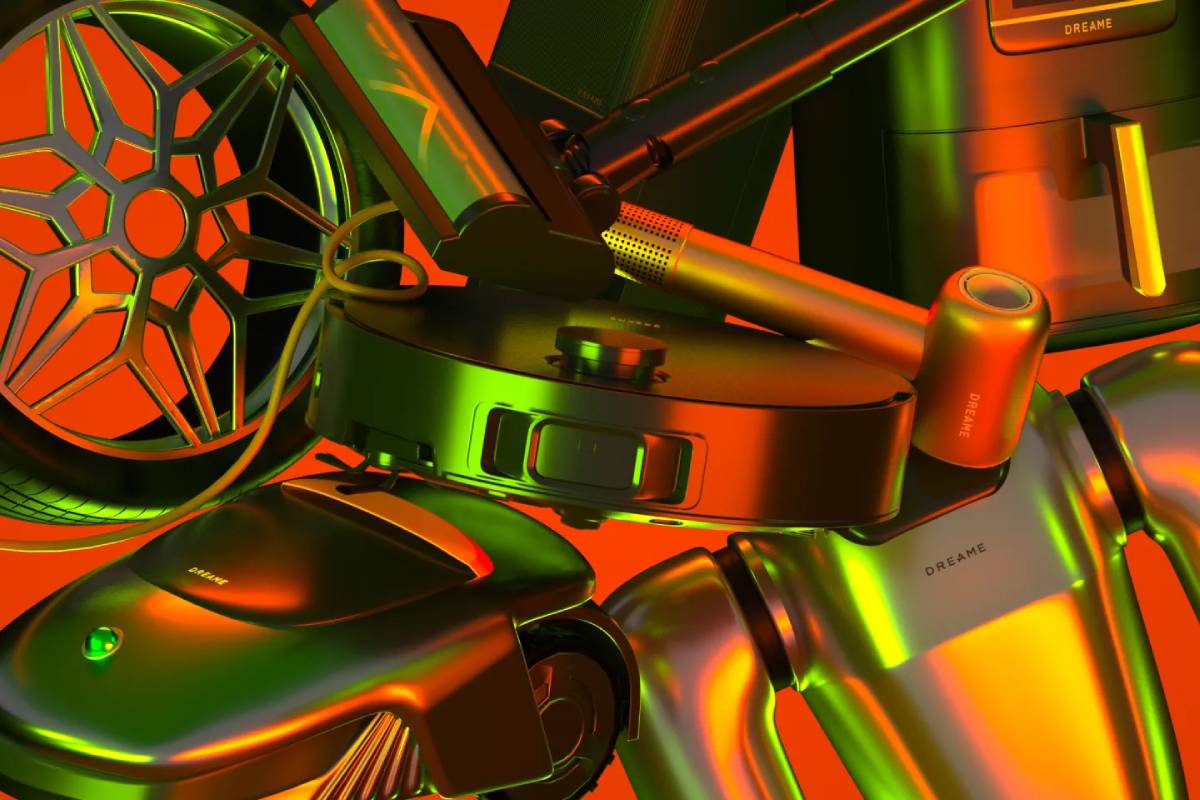
Dreame, originally known for AI-powered vacuum cleaners and smart home devices, is positioning itself for expansion into high-end engineering domains, including electric vehicles and potentially hypercars.

July 29, 2026
|
Image Source: The Verge

A major development unfolded as Dreame Technology signalled ambitions beyond consumer appliances, expanding from robotic vacuums into advanced mobility and high-performance engineering. The shift underscores China’s growing push to challenge global incumbents across hardware sectors, with implications for automotive innovation, supply chains, and competitive dynamics.

Dreame, originally known for AI-powered vacuum cleaners and smart home devices, is positioning itself for expansion into high-end engineering domains, including electric vehicles and potentially hypercars.

The company has leveraged expertise in motors, battery systems, and AI-driven automation core technologies that translate beyond home appliances. Its rapid growth in global markets has been fueled by competitive pricing and advanced features, challenging established brands in Europe and Asia.

Industry observers note parallels with Chinese firms scaling from niche hardware into broader ecosystems. The company’s trajectory reflects a wider ambition to move up the value chain, competing not only in consumer electronics but also in high-performance mobility sectors traditionally dominated by Western and legacy automakers.

The development aligns with a broader trend across global markets where Chinese technology firms are expanding beyond their original categories into adjacent high-value industries. Companies that began with consumer hardware are increasingly leveraging vertical integration, supply chain control, and AI capabilities to diversify into sectors such as electric vehicles and robotics.

This mirrors the evolution of firms like Tesla, led by Elon Musk, which combined software, hardware, and manufacturing innovation to disrupt the automotive industry. However, Chinese companies benefit from strong domestic manufacturing ecosystems and government support, enabling rapid scaling.

The convergence of robotics, AI, and mobility is creating new competitive battlegrounds. As technologies like electric drivetrains and autonomous systems become modular, barriers between industries are blurring, allowing companies like Dreame to extend capabilities into entirely new domains.

Industry analysts view Dreame’s expansion as emblematic of a new wave of “platform companies” emerging from China’s hardware ecosystem. Experts suggest that firms mastering core technologies motors, batteries, and AI can pivot across industries with relative agility.

Market commentators highlight that Dreame’s engineering capabilities could translate effectively into electric mobility, particularly in performance segments where innovation is a key differentiator. However, analysts caution that entering the automotive sector presents significant regulatory, safety, and capital challenges.

Experts also point to intensifying global competition, noting that established automakers and tech firms are unlikely to cede ground easily. The comparison to Tesla underscores both opportunity and risk, as scaling from consumer electronics to vehicles requires a fundamentally different operational and compliance framework.

For global executives, the shift could redefine competitive boundaries, as companies from non-traditional sectors enter high-value industries like automotive and robotics. Businesses may need to reassess competitive landscapes, particularly as new entrants leverage cost advantages and integrated supply chains.

Investors are likely to monitor companies that demonstrate the ability to scale across sectors, potentially rewarding diversified technology platforms. From a policy standpoint, governments may increase scrutiny of cross-sector expansion, particularly in areas involving safety, data, and national security. The rise of Chinese hardware innovators could also intensify geopolitical competition, influencing trade policies and industrial strategies worldwide.

Looking ahead, Dreame’s trajectory will depend on its ability to execute beyond its core market while navigating regulatory and technological complexities. Decision-makers should watch for partnerships, product launches, and expansion into mobility sectors.

The broader trend of cross-industry convergence suggests that future market leaders may not come from traditional sectors, but from companies capable of integrating AI, hardware, and manufacturing at scale.

Source: The Verge
Date: April 23, 2026

  • Featured tools
Symphony Ayasdi AI
Free

SymphonyAI Sensa is an AI-powered surveillance and financial crime detection platform that surfaces hidden risk behavior through explainable, AI-driven analytics.

#
Finance
Learn more
Beautiful AI
Free

Beautiful AI is an AI-powered presentation platform that automates slide design and formatting, enabling users to create polished, on-brand presentations quickly.

#
Presentation
Learn more

Learn more about future of AI

Join 80,000+ Ai enthusiast getting weekly updates on exciting AI tools.
Thank you! Your submission has been received!
Oops! Something went wrong while submitting the form.

Dreame Expands From Vacuums to Hypercars Ambition

July 29, 2026

Dreame, originally known for AI-powered vacuum cleaners and smart home devices, is positioning itself for expansion into high-end engineering domains, including electric vehicles and potentially hypercars.

Image Source: The Verge

A major development unfolded as Dreame Technology signalled ambitions beyond consumer appliances, expanding from robotic vacuums into advanced mobility and high-performance engineering. The shift underscores China’s growing push to challenge global incumbents across hardware sectors, with implications for automotive innovation, supply chains, and competitive dynamics.

Dreame, originally known for AI-powered vacuum cleaners and smart home devices, is positioning itself for expansion into high-end engineering domains, including electric vehicles and potentially hypercars.

The company has leveraged expertise in motors, battery systems, and AI-driven automation core technologies that translate beyond home appliances. Its rapid growth in global markets has been fueled by competitive pricing and advanced features, challenging established brands in Europe and Asia.

Industry observers note parallels with Chinese firms scaling from niche hardware into broader ecosystems. The company’s trajectory reflects a wider ambition to move up the value chain, competing not only in consumer electronics but also in high-performance mobility sectors traditionally dominated by Western and legacy automakers.

The development aligns with a broader trend across global markets where Chinese technology firms are expanding beyond their original categories into adjacent high-value industries. Companies that began with consumer hardware are increasingly leveraging vertical integration, supply chain control, and AI capabilities to diversify into sectors such as electric vehicles and robotics.

This mirrors the evolution of firms like Tesla, led by Elon Musk, which combined software, hardware, and manufacturing innovation to disrupt the automotive industry. However, Chinese companies benefit from strong domestic manufacturing ecosystems and government support, enabling rapid scaling.

The convergence of robotics, AI, and mobility is creating new competitive battlegrounds. As technologies like electric drivetrains and autonomous systems become modular, barriers between industries are blurring, allowing companies like Dreame to extend capabilities into entirely new domains.

Industry analysts view Dreame’s expansion as emblematic of a new wave of “platform companies” emerging from China’s hardware ecosystem. Experts suggest that firms mastering core technologies motors, batteries, and AI can pivot across industries with relative agility.

Market commentators highlight that Dreame’s engineering capabilities could translate effectively into electric mobility, particularly in performance segments where innovation is a key differentiator. However, analysts caution that entering the automotive sector presents significant regulatory, safety, and capital challenges.

Experts also point to intensifying global competition, noting that established automakers and tech firms are unlikely to cede ground easily. The comparison to Tesla underscores both opportunity and risk, as scaling from consumer electronics to vehicles requires a fundamentally different operational and compliance framework.

For global executives, the shift could redefine competitive boundaries, as companies from non-traditional sectors enter high-value industries like automotive and robotics. Businesses may need to reassess competitive landscapes, particularly as new entrants leverage cost advantages and integrated supply chains.

Investors are likely to monitor companies that demonstrate the ability to scale across sectors, potentially rewarding diversified technology platforms. From a policy standpoint, governments may increase scrutiny of cross-sector expansion, particularly in areas involving safety, data, and national security. The rise of Chinese hardware innovators could also intensify geopolitical competition, influencing trade policies and industrial strategies worldwide.

Looking ahead, Dreame’s trajectory will depend on its ability to execute beyond its core market while navigating regulatory and technological complexities. Decision-makers should watch for partnerships, product launches, and expansion into mobility sectors.

The broader trend of cross-industry convergence suggests that future market leaders may not come from traditional sectors, but from companies capable of integrating AI, hardware, and manufacturing at scale.

Source: The Verge
Date: April 23, 2026

Promote Your Tool

Copy Embed Code

Similar Blogs

July 29, 2026
|

EmulationStation Enhances Retro Gaming Experience

EmulationStation is a front-end interface designed to organize and present video game emulation libraries through a streamlined user experience.
Read more
July 29, 2026
|

Tomoson Expands Influencer Marketing Collaboration

Tomoson operates as an influencer marketing platform designed to help brands collaborate with content creators and manage promotional campaigns.
Read more
July 29, 2026
|

ZeroBin.net Advances Secure Data Sharing

ZeroBin.net operates as a privacy-oriented platform that allows users to share encrypted information through temporary digital channels.
Read more
July 29, 2026
|

Gaia Expands Digital Knowledge Access

Gaia operates within the broader category of digital platforms focused on information discovery, organization, and knowledge accessibility.
Read more
July 29, 2026
|

MailDrop Expands Privacy Email Solutions

MailDrop operates as a temporary email service designed to help users create disposable email addresses for online registrations and digital interactions.
Read more
July 29, 2026
|

MacX YouTube Downloader Enhances Video Management

MacX YouTube Downloader is a multimedia software solution designed to support video downloading, conversion, and management from online platforms.
Read more