



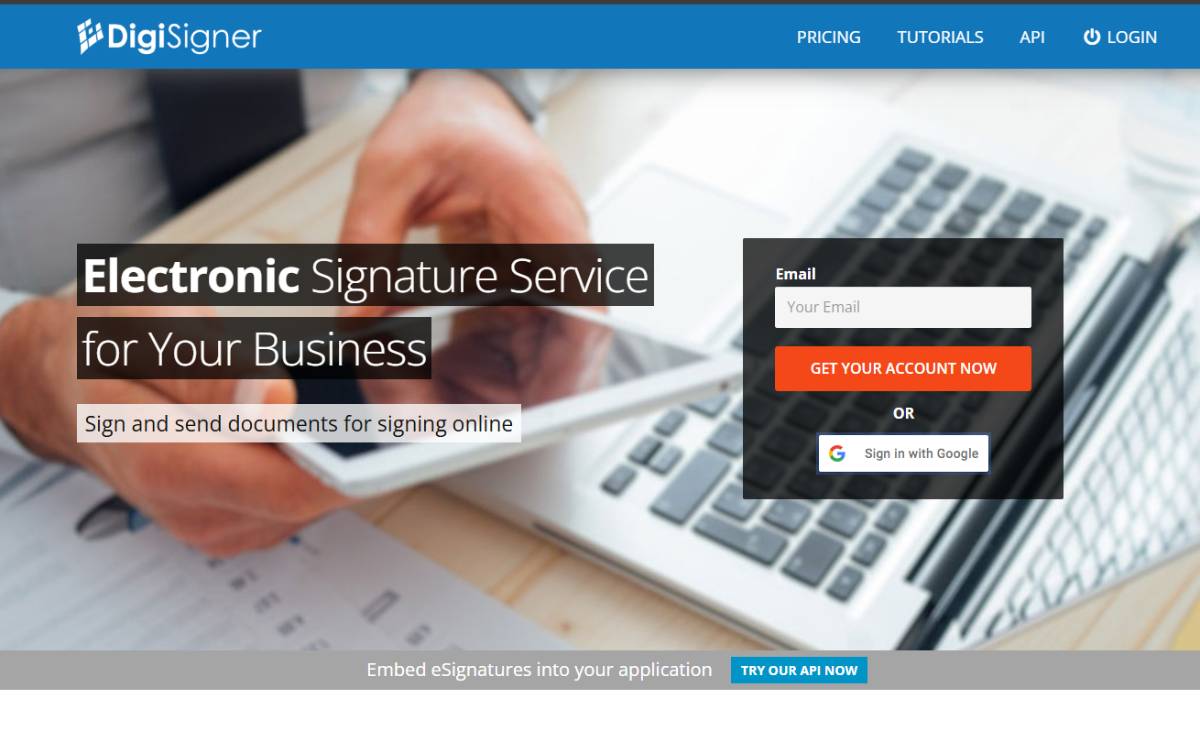
DigiSigner highlights the accelerating global transition toward digital document workflows by providing electronic signature solutions for individuals and organizations. As businesses move away from traditional paperwork, secure online signing platforms are becoming essential tools for improving efficiency, reducing operational costs, and supporting remote collaboration across industries.
DigiSigner is an electronic signature platform designed to help users sign PDF documents digitally without relying on physical paperwork. The service supports faster document approval processes and provides an accessible approach to online signing requirements.
The platform reflects growing demand from businesses, freelancers, and organizations seeking convenient digital transaction tools. As remote work and cloud-based operations expand, electronic signature technologies are becoming increasingly important for contracts, agreements, approvals, and compliance-related documents.
The continued adoption of digital signing solutions demonstrates a wider transformation in how organizations manage documents and conduct business operations globally. The growth of electronic signature platforms aligns with a broader global movement toward paperless business environments and digital transformation. Companies across finance, healthcare, legal services, real estate, and technology sectors are increasingly adopting online document management systems to improve speed and operational efficiency.
The shift gained momentum as remote work became more common and organizations required secure methods for completing agreements without in-person meetings. Governments and regulatory bodies in many regions have also introduced frameworks recognizing electronic signatures as legally valid alternatives to traditional handwritten signatures.
Within this evolving landscape, platforms like DigiSigner represent the increasing demand for lightweight, accessible digital tools. The sector continues expanding as businesses prioritize automation, cybersecurity, and seamless digital experiences for employees, customers, and partners.
Industry analysts suggest that electronic signature technology has become a critical component of modern business infrastructure. Experts emphasize that organizations are no longer viewing digital signatures only as convenience tools but as strategic solutions for improving workflow automation and reducing administrative delays.
Technology leaders point to increasing expectations for secure, fast, and user-friendly digital processes. Platforms offering straightforward signing experiences can help smaller businesses compete by providing access to enterprise-style document management capabilities.
While DigiSigner has not announced major corporate developments publicly, market observers view digital signature providers as important contributors to the broader movement toward automated business operations. Analysts continue monitoring how these platforms address security standards, regulatory compliance, and integration with larger enterprise ecosystems.
For businesses, electronic signature platforms can significantly reduce document processing times, improve collaboration, and lower costs associated with printing, scanning, and physical storage. Organizations adopting these solutions may gain greater flexibility in managing contracts and customer interactions.
Investors continue watching the digital workflow sector as demand rises for productivity and automation technologies. However, companies must evaluate cybersecurity protections, authentication methods, and regulatory requirements when selecting digital signing providers.
From a policy perspective, the expansion of electronic signatures highlights the importance of establishing clear legal standards, protecting user data, and maintaining trust in digital transactions across international markets.
The electronic signature market is expected to continue expanding as businesses prioritize digital-first operations and automated workflows. Future growth will depend on stronger security features, broader regulatory acceptance, and deeper integration with enterprise software platforms. Decision-makers will closely monitor how providers balance convenience, compliance, and data protection in an increasingly digital business environment.
Source: AlternativeTo
Date: July 23, 2026


