
Dell Revives XPS 13 AI Competition

Dell’s decision to bring back the XPS 13 model marks a strategic repositioning of its premium ultrabook lineup, targeting both performance-focused professionals and student segments.

June 1, 2026
|
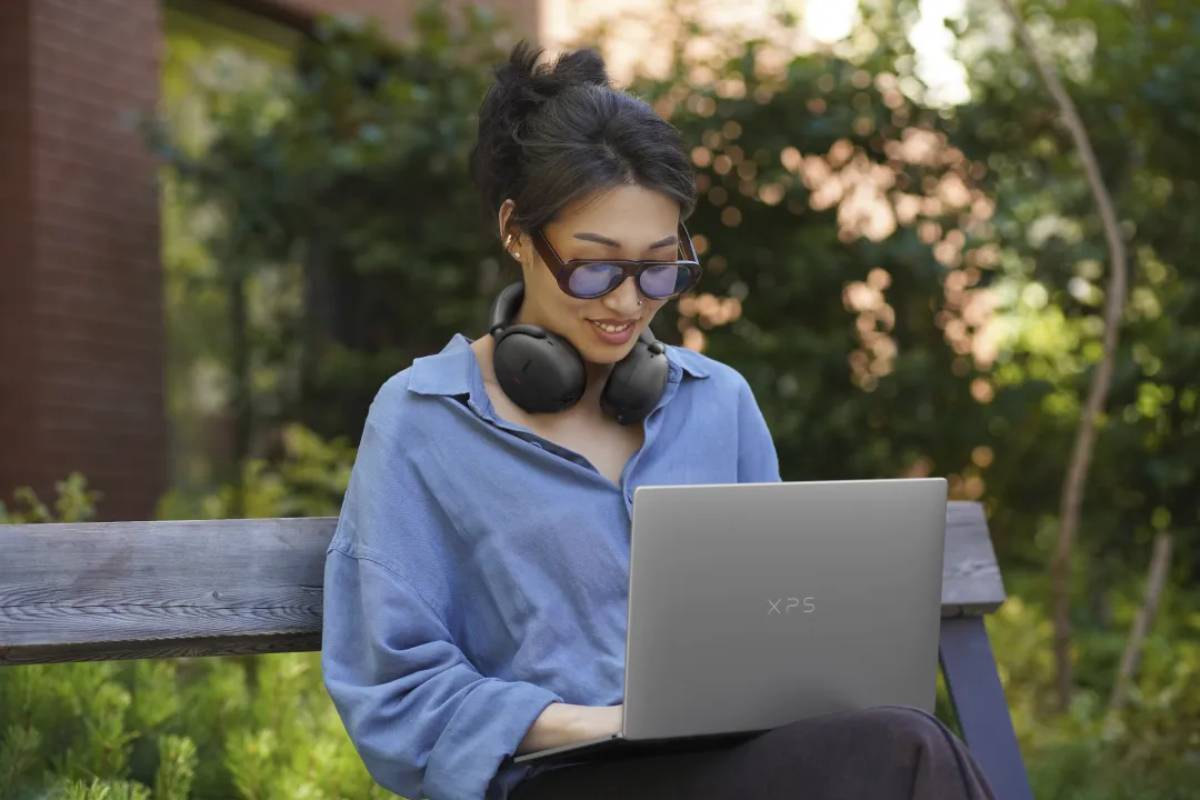
Image Source:  The Verge

A renewed competitive push is underway in the global PC market as Dell reintroduces its XPS 13 lineup with updated positioning aimed at challenging next-generation MacBook alternatives. The refreshed model, temporarily priced at a promotional $599, signals an aggressive strategy to capture demand in the premium yet price-sensitive laptop segment. The move reflects intensifying competition in AI-ready personal computing devices and carries implications for consumer hardware manufacturers, chipset providers, and global PC supply chains.

Dell’s decision to bring back the XPS 13 model marks a strategic repositioning of its premium ultrabook lineup, targeting both performance-focused professionals and student segments. The device is being marketed as a lightweight, high-efficiency laptop designed to compete with Apple’s MacBook ecosystem and emerging AI-enabled portable computing devices.

The temporary price reduction to $599 is intended to stimulate demand and expand market share in a highly competitive segment where pricing pressure and feature differentiation are increasingly critical.

The new iteration of the XPS 13 is expected to leverage next-generation Intel processors, including upcoming architectures designed for improved performance efficiency and AI workload optimization. This positions the device within a broader shift toward AI-capable personal computing hardware.

The development aligns with a broader trend across global markets where personal computing is undergoing a structural transition driven by artificial intelligence integration, energy-efficient chip design, and hybrid work adoption patterns. The laptop market, once dominated by incremental upgrades, is now being reshaped by competition around AI processing capabilities and ecosystem integration.

Apple’s MacBook lineup continues to set benchmarks in performance optimization, battery efficiency, and integrated hardware-software ecosystems. In response, PC manufacturers such as Dell, HP, and Lenovo are increasingly focusing on differentiation through price-performance balance, AI-ready hardware, and modular upgrade strategies.

Historically, the XPS line has been positioned as a premium alternative in the Windows ecosystem, often competing directly with Apple’s MacBook Pro and Air models. The reintroduction of the XPS 13 in a refreshed format signals Dell’s intent to reinforce its presence in the high-end ultrabook category while adapting to new AI-driven computing requirements.

The broader industry context includes increasing demand for devices capable of handling local AI workloads, including on-device inference, real-time productivity assistance, and enhanced security processing.

Technology analysts suggest that the renewed focus on AI-capable laptops reflects a broader shift in PC demand cycles, where hardware refresh decisions are increasingly influenced by AI workload requirements rather than traditional performance metrics such as CPU speed or storage capacity.

Industry observers note that pricing strategy is becoming a critical competitive lever as manufacturers attempt to balance rising component costs with aggressive market positioning. The temporary $599 price point is seen as a strategic entry mechanism to capture volume in education and early-career professional segments.

Chipset analysts emphasize that next-generation Intel platforms, including upcoming architectures, are expected to integrate more advanced AI acceleration capabilities directly into silicon, reducing reliance on cloud-based processing and improving local compute efficiency.

Market commentators also highlight that competition between Windows-based OEMs and Apple’s vertically integrated ecosystem continues to intensify, particularly as AI features become central to user experience differentiation.

For global executives, Dell’s move underscores the increasing importance of AI-readiness as a core differentiator in consumer and enterprise hardware markets. Companies will need to align product strategies with emerging AI workload expectations across end-user devices.

Investors are likely to view the premium laptop segment as a battleground for ecosystem control, where success depends on balancing cost efficiency, performance innovation, and supply chain resilience.

For policymakers, the shift toward AI-enabled personal computing raises considerations around electronic waste cycles, semiconductor dependency, and cross-border technology supply chains.Consumers may benefit from improved access to AI-capable devices at lower price points, potentially accelerating the adoption of on-device intelligence applications.

The next phase of competition in the PC market will likely center on AI integration at the hardware level, with manufacturers competing on efficiency, battery life, and embedded intelligence capabilities. Decision-makers should monitor chipset advancements, pricing strategies, and ecosystem integration efforts. The central uncertainty remains whether traditional PC form factors will continue to dominate or gradually evolve into more AI-centric computing experiences.

Source: The Verge
Date:
2026

  • Featured tools
Kreateable AI
Free

Kreateable AI is a white-label, AI-driven design platform that enables logo generation, social media posts, ads, and more for businesses, agencies, and service providers.

#
Logo Generator
Learn more
Wonder AI
Free

Wonder AI is a versatile AI-powered creative platform that generates text, images, and audio with minimal input, designed for fast storytelling, visual creation, and audio content generation

#
Art Generator
Learn more

Learn more about future of AI

Join 80,000+ Ai enthusiast getting weekly updates on exciting AI tools.
Thank you! Your submission has been received!
Oops! Something went wrong while submitting the form.

Dell Revives XPS 13 AI Competition

June 1, 2026

Dell’s decision to bring back the XPS 13 model marks a strategic repositioning of its premium ultrabook lineup, targeting both performance-focused professionals and student segments.

Image Source:  The Verge

A renewed competitive push is underway in the global PC market as Dell reintroduces its XPS 13 lineup with updated positioning aimed at challenging next-generation MacBook alternatives. The refreshed model, temporarily priced at a promotional $599, signals an aggressive strategy to capture demand in the premium yet price-sensitive laptop segment. The move reflects intensifying competition in AI-ready personal computing devices and carries implications for consumer hardware manufacturers, chipset providers, and global PC supply chains.

Dell’s decision to bring back the XPS 13 model marks a strategic repositioning of its premium ultrabook lineup, targeting both performance-focused professionals and student segments. The device is being marketed as a lightweight, high-efficiency laptop designed to compete with Apple’s MacBook ecosystem and emerging AI-enabled portable computing devices.

The temporary price reduction to $599 is intended to stimulate demand and expand market share in a highly competitive segment where pricing pressure and feature differentiation are increasingly critical.

The new iteration of the XPS 13 is expected to leverage next-generation Intel processors, including upcoming architectures designed for improved performance efficiency and AI workload optimization. This positions the device within a broader shift toward AI-capable personal computing hardware.

The development aligns with a broader trend across global markets where personal computing is undergoing a structural transition driven by artificial intelligence integration, energy-efficient chip design, and hybrid work adoption patterns. The laptop market, once dominated by incremental upgrades, is now being reshaped by competition around AI processing capabilities and ecosystem integration.

Apple’s MacBook lineup continues to set benchmarks in performance optimization, battery efficiency, and integrated hardware-software ecosystems. In response, PC manufacturers such as Dell, HP, and Lenovo are increasingly focusing on differentiation through price-performance balance, AI-ready hardware, and modular upgrade strategies.

Historically, the XPS line has been positioned as a premium alternative in the Windows ecosystem, often competing directly with Apple’s MacBook Pro and Air models. The reintroduction of the XPS 13 in a refreshed format signals Dell’s intent to reinforce its presence in the high-end ultrabook category while adapting to new AI-driven computing requirements.

The broader industry context includes increasing demand for devices capable of handling local AI workloads, including on-device inference, real-time productivity assistance, and enhanced security processing.

Technology analysts suggest that the renewed focus on AI-capable laptops reflects a broader shift in PC demand cycles, where hardware refresh decisions are increasingly influenced by AI workload requirements rather than traditional performance metrics such as CPU speed or storage capacity.

Industry observers note that pricing strategy is becoming a critical competitive lever as manufacturers attempt to balance rising component costs with aggressive market positioning. The temporary $599 price point is seen as a strategic entry mechanism to capture volume in education and early-career professional segments.

Chipset analysts emphasize that next-generation Intel platforms, including upcoming architectures, are expected to integrate more advanced AI acceleration capabilities directly into silicon, reducing reliance on cloud-based processing and improving local compute efficiency.

Market commentators also highlight that competition between Windows-based OEMs and Apple’s vertically integrated ecosystem continues to intensify, particularly as AI features become central to user experience differentiation.

For global executives, Dell’s move underscores the increasing importance of AI-readiness as a core differentiator in consumer and enterprise hardware markets. Companies will need to align product strategies with emerging AI workload expectations across end-user devices.

Investors are likely to view the premium laptop segment as a battleground for ecosystem control, where success depends on balancing cost efficiency, performance innovation, and supply chain resilience.

For policymakers, the shift toward AI-enabled personal computing raises considerations around electronic waste cycles, semiconductor dependency, and cross-border technology supply chains.Consumers may benefit from improved access to AI-capable devices at lower price points, potentially accelerating the adoption of on-device intelligence applications.

The next phase of competition in the PC market will likely center on AI integration at the hardware level, with manufacturers competing on efficiency, battery life, and embedded intelligence capabilities. Decision-makers should monitor chipset advancements, pricing strategies, and ecosystem integration efforts. The central uncertainty remains whether traditional PC form factors will continue to dominate or gradually evolve into more AI-centric computing experiences.

Source: The Verge
Date:
2026

Promote Your Tool

Copy Embed Code

Similar Blogs

June 1, 2026
|

Amazon Faces AI Metric Scrutiny Reported

The controversy centers around concerns that AI performance metrics, particularly token usage benchmarks, may be optimized in ways that do not fully reflect real-world efficiency.
Read more
June 1, 2026
|

Smart Home AI Gains Traction

AI-enabled smart home features are increasingly being embedded across lighting systems, thermostats, security cameras, and voice assistants, offering users more adaptive and context-aware control over their living environments.
Read more
June 1, 2026
|

Acer Joins AI Smart Glasses Race

Acer has indicated its intent to develop smart glasses equipped with augmented reality features and integrated AI assistant capabilities, positioning the product as part of its broader expansion into AI-enabled hardware.
Read more
June 1, 2026
|

AI Consumer Gadget Sparks Crypto Debate

The reported concept centers around an AI-enabled vaping device designed to track user behavior and potentially reward usage patterns with cryptocurrency incentives such as Bitcoin.
Read more
June 1, 2026
|

SpaceX IPO Sparks Wealth Concentration Debate

Reports and market commentary suggest that SpaceX is moving closer toward a potential initial public offering, although no final timeline has been confirmed.
Read more
June 1, 2026
|

Gaming Market Competition Intensifies Launch Pricing

007 First Light has been made available at a reduced price shortly after its release announcement phase, with discounts observed on both console and PC digital storefronts, including PlayStation Store and Steam.
Read more