
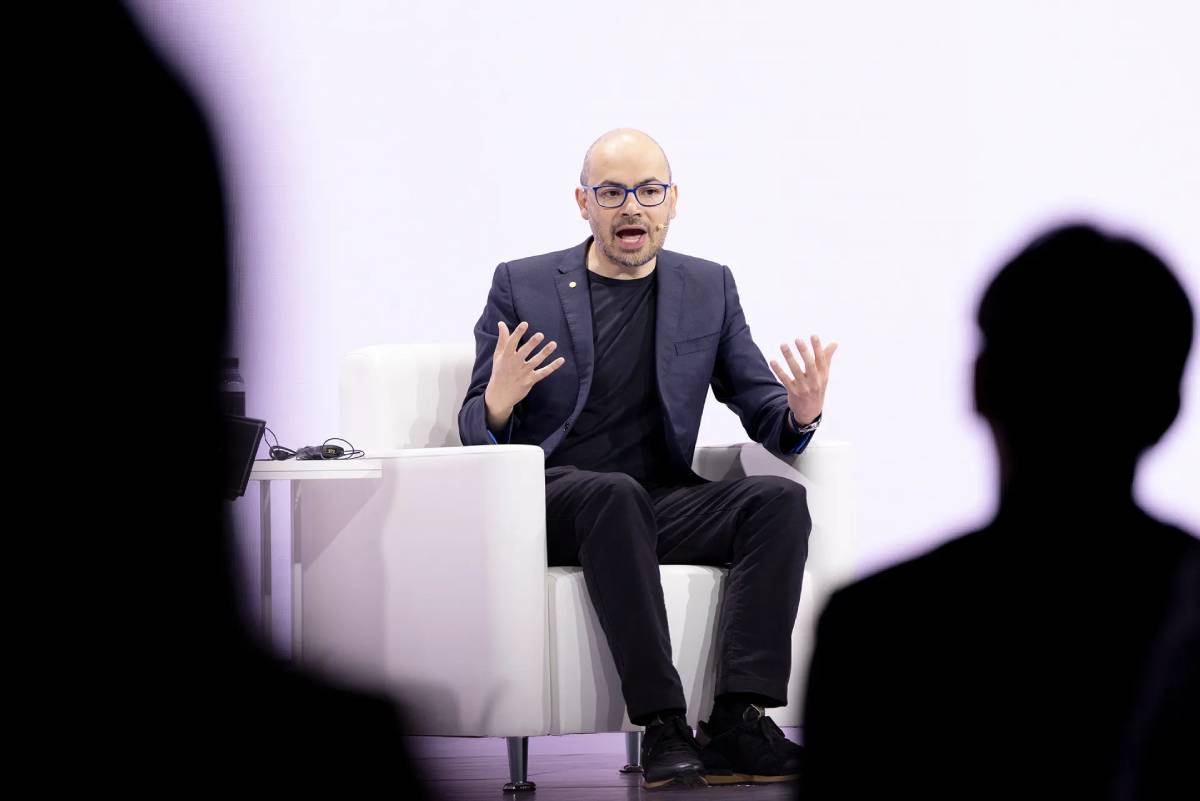
DeepMind CEO Challenges AI Layoff Strategy

Speaking amid growing industry discussions around automation and workforce restructuring, Hassabis reportedly criticized the rush toward AI-related job cuts, suggesting that reducing staff.

May 20, 2026
|
Image Source: Wired Technology

Demis Hassabis has pushed back against aggressive AI-driven workforce reductions, arguing that companies risk undermining long-term innovation by prioritizing short-term cost cutting. The remarks arrive as global businesses increasingly debate how artificial intelligence should reshape employment, productivity, and organizational strategy across major industries.

Speaking amid growing industry discussions around automation and workforce restructuring, Hassabis reportedly criticized the rush toward AI-related job cuts, suggesting that reducing staff too aggressively could ultimately weaken innovation capacity and strategic competitiveness.

The comments stand out as many technology companies continue implementing layoffs while simultaneously accelerating investment in AI infrastructure and automation systems. Hassabis emphasized that AI should primarily augment human capability rather than simply replace workers in pursuit of efficiency gains.

The remarks also reflect broader tensions inside the technology sector, where executives face pressure to balance shareholder expectations, operational efficiency, and long-term talent retention. The debate is increasingly influencing corporate hiring strategies, productivity models, and workforce planning decisions globally.

The discussion around AI-driven layoffs has intensified rapidly as generative AI tools become more deeply integrated into business operations. Since the widespread adoption of advanced AI systems, companies across technology, finance, media, consulting, and customer service sectors have explored automation strategies aimed at reducing costs and increasing productivity.

At the same time, major firms continue investing billions of dollars into AI infrastructure, data centers, and specialized talent acquisition. This has created a paradox within the technology industry: companies are simultaneously reducing headcount in some divisions while aggressively expanding AI-focused operations.

Hassabis’ comments arrive during a period of heightened scrutiny over how AI will affect global labor markets. Economists, policymakers, and business leaders remain divided on whether AI will primarily displace jobs or create new categories of employment and productivity growth. The issue has become increasingly important for governments assessing workforce resilience and economic competitiveness.

Industry analysts interpret Hassabis’ remarks as a notable counterpoint to the dominant efficiency narrative shaping many corporate AI strategies. Experts argue that while AI can automate repetitive tasks, excessive workforce reductions may erode institutional knowledge, creativity, and long-term innovation capacity.

Hassabis has consistently advocated for responsible AI development and has previously emphasized the importance of balancing technological advancement with societal considerations. His latest comments reinforce concerns among some industry observers that businesses may overestimate short-term automation gains while underestimating the strategic value of experienced human talent.

Labor economists note that AI adoption historically tends to reshape jobs rather than eliminate entire professions immediately. However, analysts also acknowledge that rapid deployment without workforce transition planning could create significant labor disruption, particularly in administrative, operational, and knowledge-based roles vulnerable to automation-driven productivity gains.

For businesses, the comments highlight the growing need to balance AI efficiency gains with talent retention, workforce adaptability, and long-term innovation strategy. Companies may increasingly reassess whether aggressive layoffs undermine future competitiveness in sectors where human expertise remains critical.

Investors are also monitoring how firms manage AI transformation while maintaining operational stability and organizational culture. Businesses capable of integrating AI without destabilizing workforce dynamics may gain stronger long-term positioning.

For policymakers, the debate reinforces pressure to develop workforce transition frameworks, reskilling initiatives, and labor policies capable of managing AI-driven economic change. Governments may increasingly focus on balancing technological competitiveness with employment resilience and social stability.

Attention now turns to how corporate leaders refine workforce strategies as AI adoption accelerates across global industries. Executives, investors, and policymakers will closely watch whether businesses prioritize augmentation-focused AI models or pursue more aggressive automation-driven restructuring. The broader outcome could shape future labor markets, enterprise productivity models, and public attitudes toward artificial intelligence as economies transition deeper into the AI era.

Source: Wired Technology Report
Date: 19 May 2026

  • Featured tools
Tome AI
Free

Tome AI is an AI-powered storytelling and presentation tool designed to help users create compelling narratives and presentations quickly and efficiently. It leverages advanced AI technologies to generate content, images, and animations based on user input.

#
Presentation
#
Startup Tools
Learn more
Scalenut AI
Free

Scalenut AI is an all-in-one SEO content platform that combines AI-driven writing, keyword research, competitor insights, and optimization tools to help you plan, create, and rank content.

#
SEO
Learn more

Learn more about future of AI

Join 80,000+ Ai enthusiast getting weekly updates on exciting AI tools.
Thank you! Your submission has been received!
Oops! Something went wrong while submitting the form.

DeepMind CEO Challenges AI Layoff Strategy

May 20, 2026

Speaking amid growing industry discussions around automation and workforce restructuring, Hassabis reportedly criticized the rush toward AI-related job cuts, suggesting that reducing staff.

Image Source: Wired Technology

Demis Hassabis has pushed back against aggressive AI-driven workforce reductions, arguing that companies risk undermining long-term innovation by prioritizing short-term cost cutting. The remarks arrive as global businesses increasingly debate how artificial intelligence should reshape employment, productivity, and organizational strategy across major industries.

Speaking amid growing industry discussions around automation and workforce restructuring, Hassabis reportedly criticized the rush toward AI-related job cuts, suggesting that reducing staff too aggressively could ultimately weaken innovation capacity and strategic competitiveness.

The comments stand out as many technology companies continue implementing layoffs while simultaneously accelerating investment in AI infrastructure and automation systems. Hassabis emphasized that AI should primarily augment human capability rather than simply replace workers in pursuit of efficiency gains.

The remarks also reflect broader tensions inside the technology sector, where executives face pressure to balance shareholder expectations, operational efficiency, and long-term talent retention. The debate is increasingly influencing corporate hiring strategies, productivity models, and workforce planning decisions globally.

The discussion around AI-driven layoffs has intensified rapidly as generative AI tools become more deeply integrated into business operations. Since the widespread adoption of advanced AI systems, companies across technology, finance, media, consulting, and customer service sectors have explored automation strategies aimed at reducing costs and increasing productivity.

At the same time, major firms continue investing billions of dollars into AI infrastructure, data centers, and specialized talent acquisition. This has created a paradox within the technology industry: companies are simultaneously reducing headcount in some divisions while aggressively expanding AI-focused operations.

Hassabis’ comments arrive during a period of heightened scrutiny over how AI will affect global labor markets. Economists, policymakers, and business leaders remain divided on whether AI will primarily displace jobs or create new categories of employment and productivity growth. The issue has become increasingly important for governments assessing workforce resilience and economic competitiveness.

Industry analysts interpret Hassabis’ remarks as a notable counterpoint to the dominant efficiency narrative shaping many corporate AI strategies. Experts argue that while AI can automate repetitive tasks, excessive workforce reductions may erode institutional knowledge, creativity, and long-term innovation capacity.

Hassabis has consistently advocated for responsible AI development and has previously emphasized the importance of balancing technological advancement with societal considerations. His latest comments reinforce concerns among some industry observers that businesses may overestimate short-term automation gains while underestimating the strategic value of experienced human talent.

Labor economists note that AI adoption historically tends to reshape jobs rather than eliminate entire professions immediately. However, analysts also acknowledge that rapid deployment without workforce transition planning could create significant labor disruption, particularly in administrative, operational, and knowledge-based roles vulnerable to automation-driven productivity gains.

For businesses, the comments highlight the growing need to balance AI efficiency gains with talent retention, workforce adaptability, and long-term innovation strategy. Companies may increasingly reassess whether aggressive layoffs undermine future competitiveness in sectors where human expertise remains critical.

Investors are also monitoring how firms manage AI transformation while maintaining operational stability and organizational culture. Businesses capable of integrating AI without destabilizing workforce dynamics may gain stronger long-term positioning.

For policymakers, the debate reinforces pressure to develop workforce transition frameworks, reskilling initiatives, and labor policies capable of managing AI-driven economic change. Governments may increasingly focus on balancing technological competitiveness with employment resilience and social stability.

Attention now turns to how corporate leaders refine workforce strategies as AI adoption accelerates across global industries. Executives, investors, and policymakers will closely watch whether businesses prioritize augmentation-focused AI models or pursue more aggressive automation-driven restructuring. The broader outcome could shape future labor markets, enterprise productivity models, and public attitudes toward artificial intelligence as economies transition deeper into the AI era.

Source: Wired Technology Report
Date: 19 May 2026

Promote Your Tool

Copy Embed Code

Similar Blogs

June 23, 2026
|

AI Health Co Pilots Transform Care

The concept of a “silent co-pilot” in healthcare refers to AI systems embedded in digital health infrastructure that continuously analyze patient data, wearable inputs, and clinical records.
Read more
June 23, 2026
|

SOPHiA GENETICS Raises $57.5M Expansion

The Swiss-based health tech company completed a $57.5 million capital raise via a public offering, aimed at supporting its AI-driven analytics platform used in genomic and clinical data interpretation.
Read more
June 23, 2026
|

AI Agents Enter Consumer Finance

An AI agent executed a coffee purchase in Finland using a regulated payment channel supported by a major Nordic bank and a global card network.
Read more
June 23, 2026
|

Nokia Bets on AI Network Agents

Nokia has unveiled a vision centered on “agentic AI” embedded within its network services and IP infrastructure platforms.
Read more
June 23, 2026
|

Ericsson AI Leadership Transition Announced

Ericsson has announced a planned leadership transition with CEO Börje Ekholm set to step down after nearly a decade at the helm.
Read more
June 23, 2026
|

Benelux Ukraine Innovation Ties Strengthen

The Seeds of Bravery initiative is designed to connect Ukrainian startups with investors, accelerators, innovation hubs, and corporate partners across the Benelux region.
Read more