



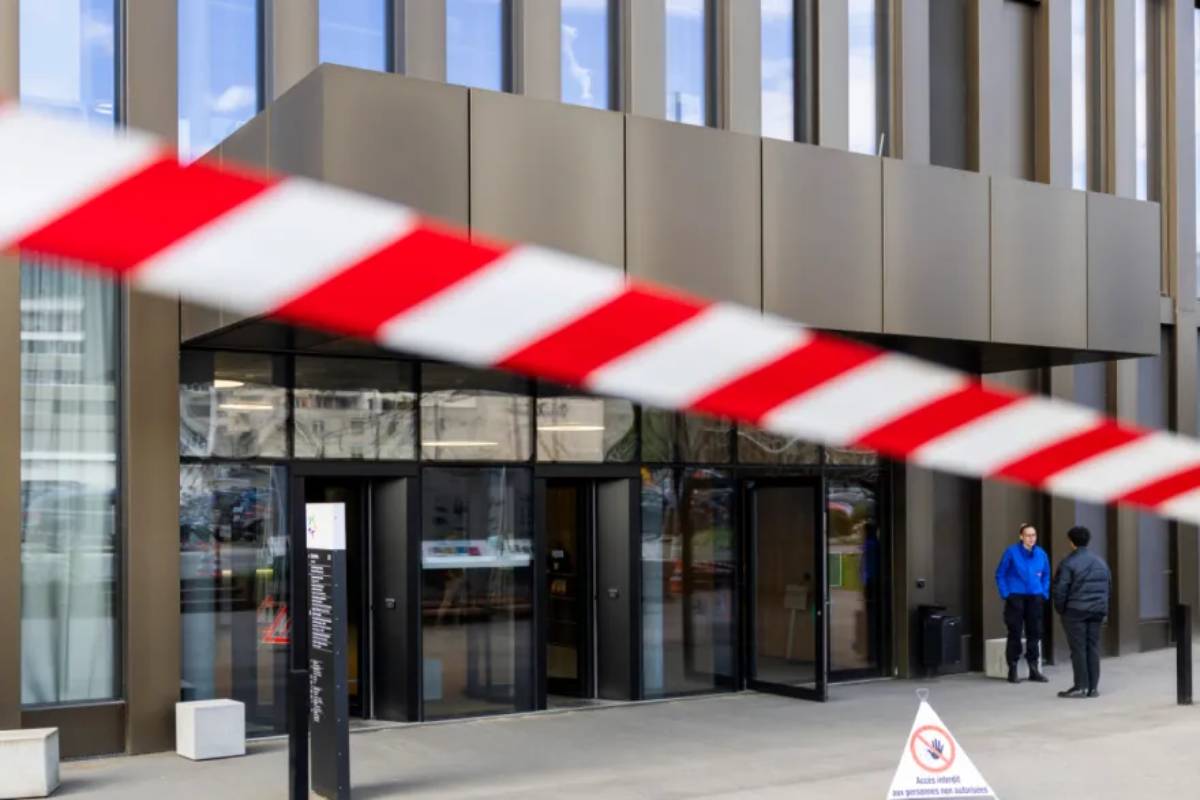
A significant legal development has emerged in the Crans-Montana case as the 15th defendant has decided to cooperate with authorities. The move could influence the direction of the ongoing investigation, providing prosecutors with additional information as they continue examining responsibility, accountability, and circumstances surrounding the incident.
The latest development involves the decision by the 15th defendant in the Crans-Montana case to cooperate with Swiss authorities. The decision marks a potential shift in the legal proceedings, as cooperation from defendants can provide investigators with new evidence, timelines, or perspectives.
Authorities are continuing their examination of multiple individuals connected to the case, with the judicial process focused on establishing facts and determining possible responsibilities. The case has attracted significant public attention in Switzerland due to its scale and the number of parties involved. Further legal steps are expected as investigators evaluate the information provided.
The Crans-Montana case has become one of Switzerland’s closely watched legal proceedings, raising questions about safety standards, accountability, and regulatory oversight. Cases involving multiple defendants often require extensive investigations to determine individual roles and institutional responsibilities.
Switzerland’s legal system places strong emphasis on detailed evidence gathering, procedural fairness, and independent judicial review. The cooperation of a defendant can become an important element in complex investigations, potentially helping authorities clarify events and strengthen their understanding of the case.
Beyond the immediate legal consequences, the situation has broader implications for public confidence in safety regulations and governance. It highlights the challenges faced by authorities when investigating incidents involving multiple stakeholders, where accountability may extend across different levels of responsibility.
Legal experts often note that cooperation from defendants can significantly influence complex investigations by helping prosecutors access additional information and verify existing evidence. However, cooperation does not automatically determine legal outcomes, as courts must still evaluate all facts independently.
Observers following the case suggest that the latest development could accelerate certain investigative processes while raising new questions about the information the defendant may provide.
Authorities are expected to continue reviewing evidence, interviewing involved parties, and ensuring that proceedings follow established legal standards. The case also reflects wider discussions in Switzerland about prevention, accountability, and the importance of effective oversight mechanisms. Legal analysts emphasise that maintaining transparency throughout the process will be essential for public trust.
The Crans-Montana case carries implications beyond the courtroom, particularly for organisations responsible for public safety, compliance, and risk management. Businesses operating venues, infrastructure, or public-facing services may reassess internal safety procedures and regulatory compliance practices.
For policymakers, the case highlights the importance of strong oversight frameworks and effective enforcement mechanisms. Regulators may examine whether existing standards require updates to prevent similar incidents in the future.
Investors and corporate leaders are increasingly focused on governance risks, making transparency, accountability, and operational responsibility critical factors in organisational reputation and long-term stability.
The cooperation decision could become a key moment in the ongoing Crans-Montana proceedings. Investigators will now assess the value of the information provided and determine how it affects the broader case. Future developments will depend on legal reviews, additional evidence, and court decisions. The outcome may influence discussions around safety regulation, accountability, and institutional responsibility in Switzerland.
Source: Swissinfo
Date: July 2026


