



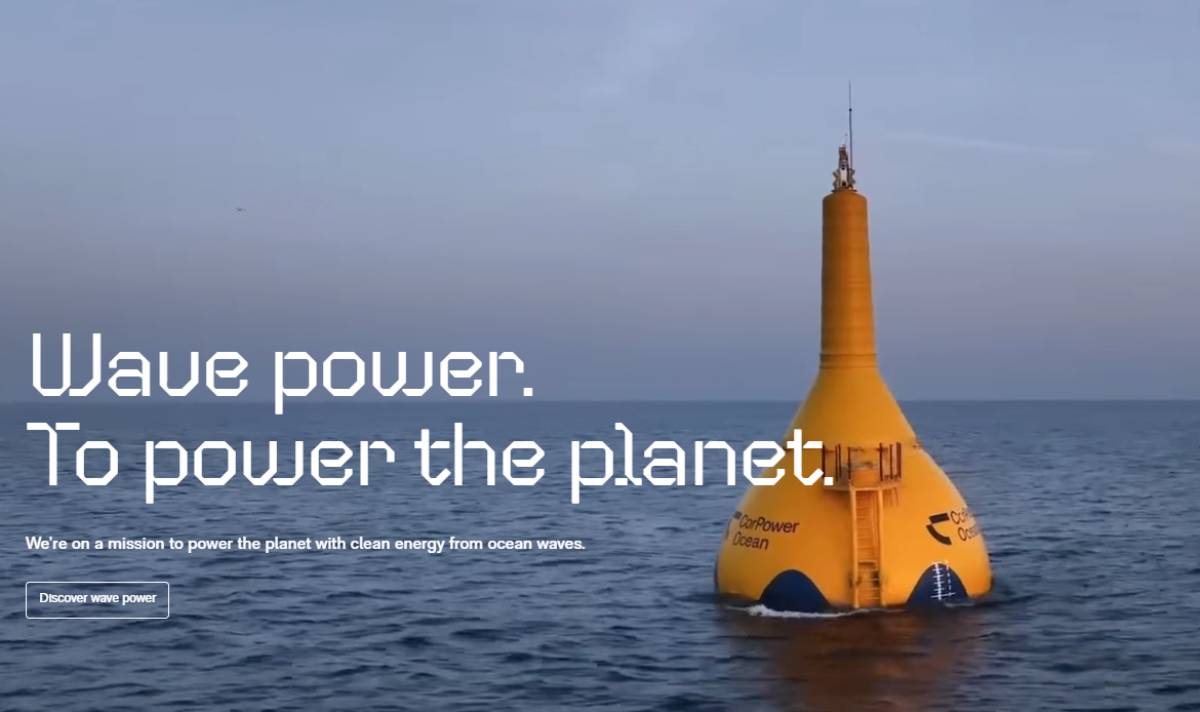
A major funding milestone in clean energy innovation has been reached as CorPower Ocean raises €53 million to advance wave energy technology toward commercial deployment. The investment signals renewed confidence in marine renewables, a sector long challenged by cost, scalability, and technical viability, but increasingly relevant in Europe’s energy transition strategy.
CorPower Ocean has secured €53 million in Series B financing to accelerate development and deployment of its wave energy conversion systems. The funding round is aimed at scaling the company’s proprietary technology from pilot-stage deployments to commercially viable energy production. The investment includes participation from strategic energy and climate-focused investors, reflecting growing institutional interest in ocean-based renewable solutions.
The capital injection will be used to expand testing infrastructure, advance device durability, and prepare for grid-scale integration projects in Europe. The company positions wave energy as a high-density, predictable complement to wind and solar.
Wave energy has historically been considered one of the most technically promising yet commercially delayed segments of the renewable energy sector. Despite decades of research, high operational costs, harsh marine conditions, and limited infrastructure integration have kept it largely in pilot stages.
However, Europe’s accelerating decarbonisation targets and energy security concerns have revived interest in diversified renewable sources. Unlike wind and solar, wave energy offers higher predictability and energy density, making it a potentially stabilising force in future energy grids.
The Nordic region, with its strong maritime engineering ecosystem and deep cleantech investment base, has emerged as a testing ground for next-generation ocean energy technologies. CorPower Ocean’s funding round reflects this broader shift toward expanding renewable portfolios beyond traditional generation sources.
Energy analysts describe the investment as a “validation moment” for wave energy, a sector often labelled as overpromised but under-delivered. The ability to attract significant Series B funding suggests improved investor confidence in both the engineering maturity and commercial roadmap of the technology.
Industry observers note that institutional investors are increasingly prioritising long-duration, dispatchable renewable technologies that can complement intermittent wind and solar power. Wave energy is now being reassessed through this lens rather than as a standalone replacement technology.
Energy transition experts also highlight that policy support in Europe, including offshore energy incentives and grid diversification mandates, is creating a more favourable environment for marine energy pilots to transition into early commercial deployments.
For energy investors, the funding signals renewed appetite for high-risk, high-impact climate technologies with long commercialization cycles. It may also unlock follow-on financing across other marine energy startups.
For utilities and grid operators, wave energy introduces a potential new baseload-adjacent renewable source that could enhance energy stability in coastal markets. However, integration costs and infrastructure adaptation remain significant challenges.
For policymakers, the development reinforces the need for targeted support mechanisms for emerging renewables beyond wind and solar. It also raises strategic questions about how to balance innovation funding with proven decarbonisation technologies.
The next phase will focus on scaling deployments and demonstrating consistent output performance in real-world marine environments. Success in upcoming pilot expansions will determine whether wave energy can transition from niche innovation to mainstream renewable infrastructure. Investor sentiment will closely track cost efficiency, grid integration progress, and durability in extreme ocean conditions.
Source: NordicTech
Date: 2026


