
Connecteam Advances Digital Workforce Management

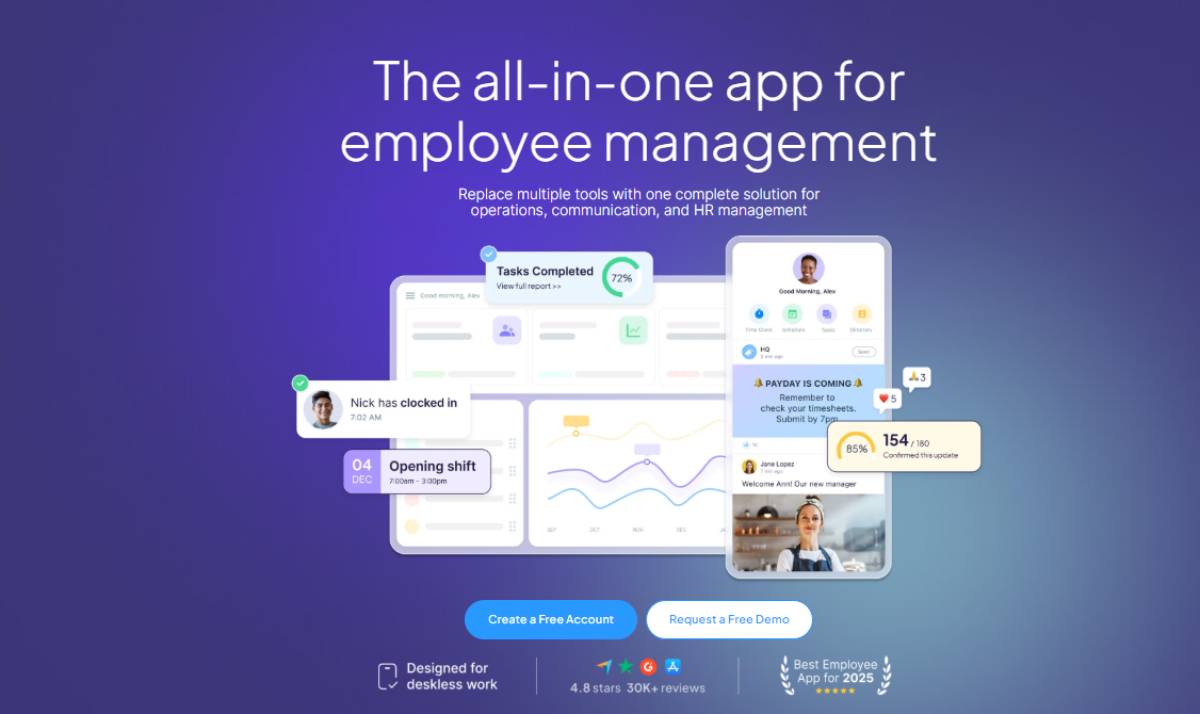
Connecteam provides a workforce-management platform designed to support businesses with employees who spend much of their working time away from traditional desks.

August 11, 2026
|

Connecteam is strengthening the workforce-management technology landscape with a digital platform designed for organizations managing frontline and deskless employees. Its integrated approach brings communication, scheduling, time management and operational tools into a centralized environment, addressing the growing need for businesses to coordinate distributed teams while improving productivity, engagement and workforce visibility.

Connecteam provides a workforce-management platform designed to support businesses with employees who spend much of their working time away from traditional desks. Its capabilities include employee communication, scheduling, time tracking, task management and operational coordination.

By bringing these functions together, organizations can reduce reliance on disconnected communication channels and manual administrative processes. Managers can use centralized tools to coordinate schedules, communicate with employees and monitor workforce activities.

The platform is relevant to industries such as hospitality, construction, retail, field services, cleaning, security and other frontline-heavy sectors. For executives, the technology addresses a persistent operational challenge: maintaining consistent communication and visibility across employees who are distributed across locations or working on changing schedules.

The development aligns with a broader transformation in workforce management as companies increasingly recognize the importance of deskless and frontline employees. Unlike office-based workers, frontline teams may have limited access to corporate email, desktop software and traditional collaboration platforms.

This creates communication and administrative challenges. Scheduling, time tracking, task assignments and employee updates may be managed through multiple systems, spreadsheets, messaging applications or paper-based processes.

Workforce-management platforms are emerging to consolidate these activities into mobile-first digital environments. This can help managers communicate with employees while providing workers with easier access to schedules, tasks and company information.

The shift is particularly important in industries where labor represents a significant portion of operating costs. Better scheduling and time management can help organizations allocate employees more efficiently while reducing administrative overhead.

For executives, the strategic opportunity extends to employee engagement. Giving frontline workers better digital access can improve communication, consistency and organizational connection across geographically distributed teams.

Workforce technology specialists increasingly emphasize that frontline employees require digital tools designed around their actual working environments. Traditional enterprise applications may not always provide the accessibility or simplicity required by employees who work primarily in the field.

Connecteam's positioning reflects this market trend by combining workforce administration, communication and operational tools within a centralized platform. The approach can help organizations reduce technology fragmentation and create more consistent processes for distributed teams.

For business leaders, however, implementation success depends on employee adoption. Frontline workers are more likely to use technology consistently when applications are intuitive, mobile-friendly and directly connected to their daily responsibilities.

Data accuracy is another important consideration. Time tracking, scheduling and workforce records can influence payroll and compliance, making reliable data management essential.

Industry observers are also watching how workforce platforms incorporate artificial intelligence, automation and analytics to improve scheduling, identify staffing gaps and provide managers with more actionable workforce insights.

For businesses, workforce-management technology can improve scheduling efficiency, reduce administrative work and strengthen communication with frontline employees. Managers may gain greater visibility into staffing levels, working hours and operational tasks.

For executives, better workforce coordination can support cost control and service consistency. Automated scheduling and digital time management may also help organizations respond more quickly to changing labor requirements.

Employees can benefit from easier access to schedules, workplace information, communication tools and task instructions through mobile devices. From a policy perspective, workforce-management systems must account for labor regulations, working-time requirements, payroll accuracy and employee data privacy. Organizations need clear policies governing how workforce information is collected, monitored and stored.

For investors and business leaders, the larger question is whether workforce technology can generate measurable productivity gains while maintaining employee trust. Frontline workforce platforms are likely to become increasingly automated, with artificial intelligence supporting scheduling, task allocation, workforce forecasting and operational decision-making. Mobile-first employee experiences are also expected to remain central as businesses digitize deskless operations.

Decision-makers should watch how platforms balance automation with employee privacy and usability. The strongest solutions will help organizations coordinate distributed workforces more efficiently while improving communication, workforce visibility and employee experience.

Source: Crozdesk
Date: August 11, 2026

  • Featured tools
Outplay AI
Free

Outplay AI is a dynamic sales engagement platform combining AI-powered outreach, multi-channel automation, and performance tracking to help teams optimize conversion and pipeline generation.

#
Sales
Learn more
Neuron AI
Free

Neuron AI is an AI-driven content optimization platform that helps creators produce SEO-friendly content by combining semantic SEO, competitor analysis, and AI-assisted writing workflows.

#
SEO
Learn more

Learn more about future of AI

Join 80,000+ Ai enthusiast getting weekly updates on exciting AI tools.
Thank you! Your submission has been received!
Oops! Something went wrong while submitting the form.

Connecteam Advances Digital Workforce Management

August 11, 2026

Connecteam provides a workforce-management platform designed to support businesses with employees who spend much of their working time away from traditional desks.

Connecteam is strengthening the workforce-management technology landscape with a digital platform designed for organizations managing frontline and deskless employees. Its integrated approach brings communication, scheduling, time management and operational tools into a centralized environment, addressing the growing need for businesses to coordinate distributed teams while improving productivity, engagement and workforce visibility.

Connecteam provides a workforce-management platform designed to support businesses with employees who spend much of their working time away from traditional desks. Its capabilities include employee communication, scheduling, time tracking, task management and operational coordination.

By bringing these functions together, organizations can reduce reliance on disconnected communication channels and manual administrative processes. Managers can use centralized tools to coordinate schedules, communicate with employees and monitor workforce activities.

The platform is relevant to industries such as hospitality, construction, retail, field services, cleaning, security and other frontline-heavy sectors. For executives, the technology addresses a persistent operational challenge: maintaining consistent communication and visibility across employees who are distributed across locations or working on changing schedules.

The development aligns with a broader transformation in workforce management as companies increasingly recognize the importance of deskless and frontline employees. Unlike office-based workers, frontline teams may have limited access to corporate email, desktop software and traditional collaboration platforms.

This creates communication and administrative challenges. Scheduling, time tracking, task assignments and employee updates may be managed through multiple systems, spreadsheets, messaging applications or paper-based processes.

Workforce-management platforms are emerging to consolidate these activities into mobile-first digital environments. This can help managers communicate with employees while providing workers with easier access to schedules, tasks and company information.

The shift is particularly important in industries where labor represents a significant portion of operating costs. Better scheduling and time management can help organizations allocate employees more efficiently while reducing administrative overhead.

For executives, the strategic opportunity extends to employee engagement. Giving frontline workers better digital access can improve communication, consistency and organizational connection across geographically distributed teams.

Workforce technology specialists increasingly emphasize that frontline employees require digital tools designed around their actual working environments. Traditional enterprise applications may not always provide the accessibility or simplicity required by employees who work primarily in the field.

Connecteam's positioning reflects this market trend by combining workforce administration, communication and operational tools within a centralized platform. The approach can help organizations reduce technology fragmentation and create more consistent processes for distributed teams.

For business leaders, however, implementation success depends on employee adoption. Frontline workers are more likely to use technology consistently when applications are intuitive, mobile-friendly and directly connected to their daily responsibilities.

Data accuracy is another important consideration. Time tracking, scheduling and workforce records can influence payroll and compliance, making reliable data management essential.

Industry observers are also watching how workforce platforms incorporate artificial intelligence, automation and analytics to improve scheduling, identify staffing gaps and provide managers with more actionable workforce insights.

For businesses, workforce-management technology can improve scheduling efficiency, reduce administrative work and strengthen communication with frontline employees. Managers may gain greater visibility into staffing levels, working hours and operational tasks.

For executives, better workforce coordination can support cost control and service consistency. Automated scheduling and digital time management may also help organizations respond more quickly to changing labor requirements.

Employees can benefit from easier access to schedules, workplace information, communication tools and task instructions through mobile devices. From a policy perspective, workforce-management systems must account for labor regulations, working-time requirements, payroll accuracy and employee data privacy. Organizations need clear policies governing how workforce information is collected, monitored and stored.

For investors and business leaders, the larger question is whether workforce technology can generate measurable productivity gains while maintaining employee trust. Frontline workforce platforms are likely to become increasingly automated, with artificial intelligence supporting scheduling, task allocation, workforce forecasting and operational decision-making. Mobile-first employee experiences are also expected to remain central as businesses digitize deskless operations.

Decision-makers should watch how platforms balance automation with employee privacy and usability. The strongest solutions will help organizations coordinate distributed workforces more efficiently while improving communication, workforce visibility and employee experience.

Source: Crozdesk
Date: August 11, 2026

Promote Your Tool

Copy Embed Code

Similar Blogs

August 11, 2026
|

uBrand Advances Digital Asset Management

uBrand provides a digital platform designed to help organizations manage brand-related content and assets within a centralized environment.
Read more
August 11, 2026
|

Jamf Now Simplifies Apple Device Management

Jamf Now is designed to simplify mobile device management for organizations using Apple hardware.
Read more
August 11, 2026
|

Connecteam Advances Digital Workforce Management

Connecteam provides a workforce-management platform designed to support businesses with employees who spend much of their working time away from traditional desks.
Read more
August 11, 2026
|

ADP Vantage Advances Enterprise Workforce Management

ADP Vantage HCM is positioned as an enterprise human capital management solution designed to support organizations with complex workforce requirements.
Read more
August 11, 2026
|

OnceHub Advances Automated Business Scheduling

OnceHub provides scheduling and appointment-management capabilities designed to help organizations automate the process of arranging meetings and customer appointments.
Read more
August 11, 2026
|

BlueConic Advances Customer Data Management

BlueConic provides a customer data platform designed to help organizations collect, unify and activate customer information from multiple sources.
Read more