
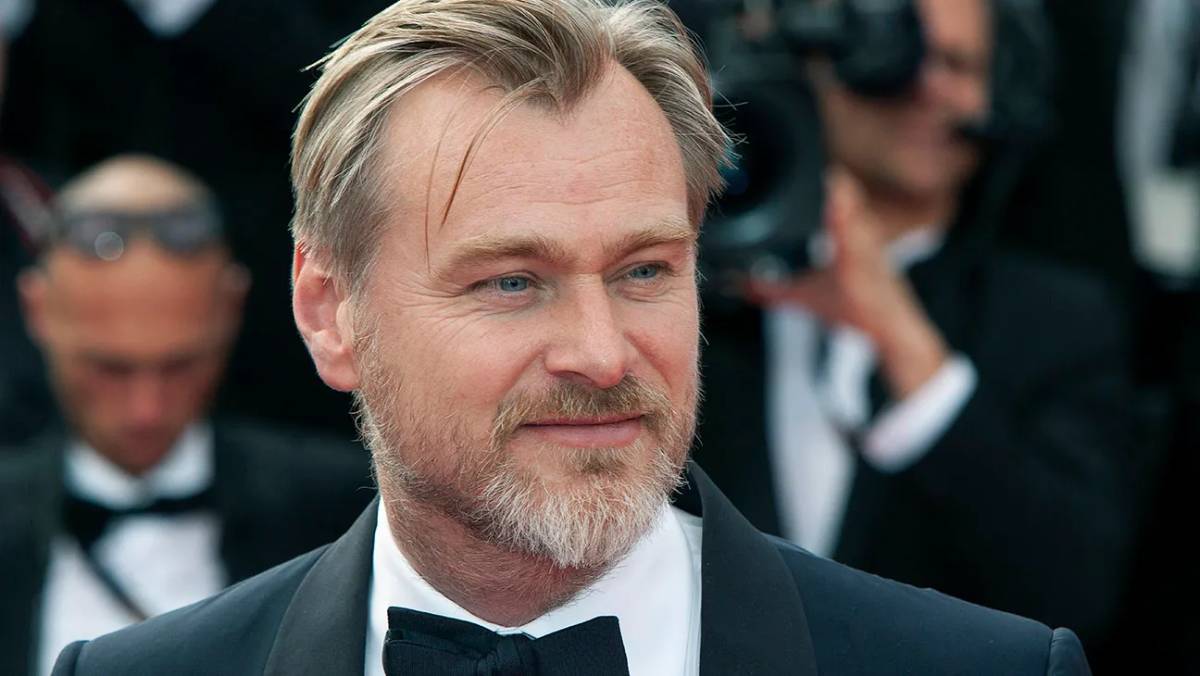
Christopher Nolan Flags AI, Streaming Consolidation as Hollywood Concern

Nolan warned that the consolidation of streaming and traditional studio assets could diminish creative diversity and concentrate market power. He emphasized the rapid rise of AI in scriptwriting, visual effects.

February 3, 2026
|

A major development unfolded today as acclaimed director Christopher Nolan publicly voiced concerns over the Netflix-Warner Bros. merger and the accelerating role of AI in filmmaking. His remarks highlight growing tension in Hollywood over content ownership, creative control, and the ethical implications of AI-generated media, signaling potential strategic and regulatory shifts for studios, investors, and creators alike.

Nolan warned that the consolidation of streaming and traditional studio assets could diminish creative diversity and concentrate market power. He emphasized the rapid rise of AI in scriptwriting, visual effects, and post-production, citing potential threats to artistic integrity. The director’s comments come amid Netflix’s ongoing negotiations with Warner Bros. to integrate content libraries and production pipelines. Industry insiders note that similar mergers and AI adoption are reshaping revenue models, royalty structures, and employment for writers, VFX artists, and directors. Analysts anticipate heightened scrutiny from regulators and calls for updated intellectual property frameworks to address AI-generated content and streaming consolidation.

The development aligns with a broader trend in global entertainment markets, where mergers between streaming giants and legacy studios are redefining content creation and distribution. AI technologies, ranging from generative scriptwriting to automated visual effects, are increasingly integrated into Hollywood pipelines, raising concerns over job displacement, copyright, and creative authenticity. Historically, industry consolidation has often led to reduced competition and bargaining power for creators. Nolan’s warnings echo prior debates during Disney’s acquisitions of Fox and WarnerMedia’s earlier mergers. For executives, investors, and policy analysts, the intersection of AI and corporate consolidation highlights the urgent need to balance innovation, profitability, and the preservation of creative standards in a rapidly evolving media ecosystem.

Industry analysts describe Nolan’s intervention as “a pivotal wake-up call” on the ethical and economic implications of AI in entertainment. Experts note that while AI can streamline production, it introduces legal ambiguities around authorship and liability. Corporate insiders suggest studios may face reputational risk if AI-generated content diminishes perceived artistic quality. Regulators in the U.S. and Europe are reportedly reviewing merger proposals and AI policy frameworks to address potential monopolistic behavior and intellectual property disputes. Spokespersons from Netflix and Warner Bros. have emphasized ongoing commitment to creative talent and technological innovation. Analysts predict increased dialogue between policymakers, creatives, and tech developers to ensure AI adoption does not compromise industry standards or market fairness.

For global executives, the combined impact of streaming consolidation and AI adoption could redefine operational strategies across Hollywood. Studios may need to reassess investment in human talent versus AI-generated processes, while investors evaluate the long-term value of merged content libraries. Consumers may experience shifts in content diversity and originality. Policymakers could face pressure to implement clearer intellectual property and labor regulations addressing AI-generated media. Analysts warn that unchecked consolidation and AI proliferation could erode bargaining power for creatives, alter revenue sharing models, and intensify scrutiny of mergers, requiring proactive strategic planning by all stakeholders in the entertainment ecosystem.

Decision-makers should monitor regulatory responses to the Netflix-Warner Bros. merger and AI integration across production pipelines. Key indicators include policy developments, industry adoption rates of AI tools, and stakeholder pushback from creative talent. Uncertainties remain around copyright enforcement, creative authenticity, and market concentration. Studios and investors will need agile strategies to balance technological efficiency with creative integrity in an evolving, AI-driven entertainment landscape.

Source & Date

Source: News18
Date: February 2, 2026

  • Featured tools
Kreateable AI
Free

Kreateable AI is a white-label, AI-driven design platform that enables logo generation, social media posts, ads, and more for businesses, agencies, and service providers.

#
Logo Generator
Learn more
Twistly AI
Paid

Twistly AI is a PowerPoint add-in that allows users to generate full slide decks, improve existing presentations, and convert various content types into polished slides directly within Microsoft PowerPoint.It streamlines presentation creation using AI-powered text analysis, image generation and content conversion.

#
Presentation
Learn more

Learn more about future of AI

Join 80,000+ Ai enthusiast getting weekly updates on exciting AI tools.
Thank you! Your submission has been received!
Oops! Something went wrong while submitting the form.

Christopher Nolan Flags AI, Streaming Consolidation as Hollywood Concern

February 3, 2026

Nolan warned that the consolidation of streaming and traditional studio assets could diminish creative diversity and concentrate market power. He emphasized the rapid rise of AI in scriptwriting, visual effects.

A major development unfolded today as acclaimed director Christopher Nolan publicly voiced concerns over the Netflix-Warner Bros. merger and the accelerating role of AI in filmmaking. His remarks highlight growing tension in Hollywood over content ownership, creative control, and the ethical implications of AI-generated media, signaling potential strategic and regulatory shifts for studios, investors, and creators alike.

Nolan warned that the consolidation of streaming and traditional studio assets could diminish creative diversity and concentrate market power. He emphasized the rapid rise of AI in scriptwriting, visual effects, and post-production, citing potential threats to artistic integrity. The director’s comments come amid Netflix’s ongoing negotiations with Warner Bros. to integrate content libraries and production pipelines. Industry insiders note that similar mergers and AI adoption are reshaping revenue models, royalty structures, and employment for writers, VFX artists, and directors. Analysts anticipate heightened scrutiny from regulators and calls for updated intellectual property frameworks to address AI-generated content and streaming consolidation.

The development aligns with a broader trend in global entertainment markets, where mergers between streaming giants and legacy studios are redefining content creation and distribution. AI technologies, ranging from generative scriptwriting to automated visual effects, are increasingly integrated into Hollywood pipelines, raising concerns over job displacement, copyright, and creative authenticity. Historically, industry consolidation has often led to reduced competition and bargaining power for creators. Nolan’s warnings echo prior debates during Disney’s acquisitions of Fox and WarnerMedia’s earlier mergers. For executives, investors, and policy analysts, the intersection of AI and corporate consolidation highlights the urgent need to balance innovation, profitability, and the preservation of creative standards in a rapidly evolving media ecosystem.

Industry analysts describe Nolan’s intervention as “a pivotal wake-up call” on the ethical and economic implications of AI in entertainment. Experts note that while AI can streamline production, it introduces legal ambiguities around authorship and liability. Corporate insiders suggest studios may face reputational risk if AI-generated content diminishes perceived artistic quality. Regulators in the U.S. and Europe are reportedly reviewing merger proposals and AI policy frameworks to address potential monopolistic behavior and intellectual property disputes. Spokespersons from Netflix and Warner Bros. have emphasized ongoing commitment to creative talent and technological innovation. Analysts predict increased dialogue between policymakers, creatives, and tech developers to ensure AI adoption does not compromise industry standards or market fairness.

For global executives, the combined impact of streaming consolidation and AI adoption could redefine operational strategies across Hollywood. Studios may need to reassess investment in human talent versus AI-generated processes, while investors evaluate the long-term value of merged content libraries. Consumers may experience shifts in content diversity and originality. Policymakers could face pressure to implement clearer intellectual property and labor regulations addressing AI-generated media. Analysts warn that unchecked consolidation and AI proliferation could erode bargaining power for creatives, alter revenue sharing models, and intensify scrutiny of mergers, requiring proactive strategic planning by all stakeholders in the entertainment ecosystem.

Decision-makers should monitor regulatory responses to the Netflix-Warner Bros. merger and AI integration across production pipelines. Key indicators include policy developments, industry adoption rates of AI tools, and stakeholder pushback from creative talent. Uncertainties remain around copyright enforcement, creative authenticity, and market concentration. Studios and investors will need agile strategies to balance technological efficiency with creative integrity in an evolving, AI-driven entertainment landscape.

Source & Date

Source: News18
Date: February 2, 2026

Promote Your Tool

Copy Embed Code

Similar Blogs

February 4, 2026
|

Anthropic’s New AI Release Triggers Market Rethink Across Software Stocks

Anthropic’s latest AI release, designed to automate complex knowledge and reasoning tasks, prompted a swift market response, particularly in legal and professional software firms.
Read more
February 4, 2026
|

Microsoft’s Flagship AI Bet Faces Execution Risks at Scale

Microsoft’s flagship AI offering central to its vision of embedding generative intelligence across cloud, productivity, and enterprise software has reportedly faced performance, reliability.
Read more
February 4, 2026
|

OpenAI Pushes Autonomous Coding as Enterprises Reassess Software Control

OpenAI’s Codex app introduces a more autonomous approach to software development, enabling AI agents to write, modify, and reason over code with minimal human input. Designed for enterprise environments.
Read more
February 4, 2026
|

HSBC Warns Credit Markets Against Overheating on AI Optimism

HSBC’s credit strategists have urged investors to guard against what they describe as “AI exuberance” creeping into debt markets. According to their analysis, optimism around artificial intelligence is beginning to influence credit spreads.
Read more
February 4, 2026
|

Elon Musk Merges Rocket and AI Ventures Ahead Listing

Elon Musk has brought together key elements of his aerospace and AI operations, creating a unified entity designed to streamline governance, capital allocation, and strategic execution.
Read more
February 4, 2026
|

AI Agent Social Platform Security Flaw Raises Emerging Digital Risk Alarms

Cybersecurity firm Wiz identified a significant security gap in Moltbook that could have exposed sensitive system data and internal infrastructure. The flaw reportedly stemmed from misconfigured cloud resources.
Read more