



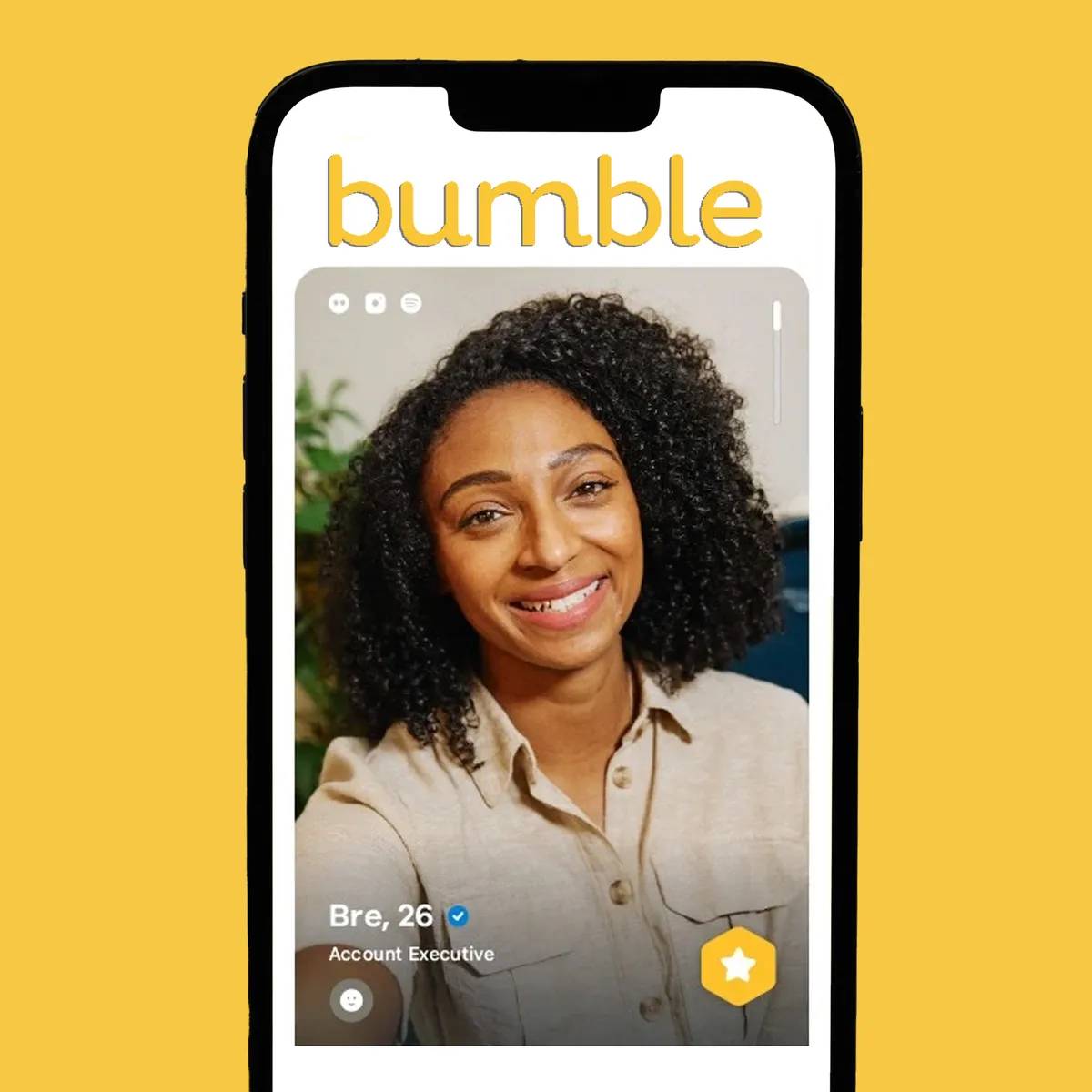
A structural shift in the online dating industry is underway as Bumble phases out its traditional swipe-based matching model in favor of an AI-powered matchmaking assistant. The move reflects a broader transition toward algorithm-driven social discovery systems, reshaping user engagement dynamics and competitive positioning in the digital dating market.
Bumble has announced the removal of its signature swipe feature, replacing it with an artificial intelligence assistant designed to guide and refine user matchmaking. The rollout marks one of the most significant product redesigns in the company’s history.
Key stakeholders include platform users, subscription-paying customers, competing dating apps, and AI technology providers powering recommendation systems. The update signals a strategic shift toward conversational and intent-based matching rather than rapid-choice swiping behavior. The timing reflects intensifying competition in the online dating sector, where platforms are increasingly adopting AI to improve retention, personalization, and long-term user engagement metrics.
The online dating industry has been dominated for nearly a decade by swipe-based interfaces pioneered during the mobile app boom. This model prioritized speed and volume over contextual compatibility, shaping user behavior across global platforms.
However, evolving user expectations and fatigue with swipe mechanics have pushed companies to explore more intelligent matchmaking systems. The integration of AI into dating platforms reflects a broader trend across consumer technology, where personalization and predictive algorithms are replacing manual selection interfaces.
Bumble has positioned itself as a relationship-focused platform within a competitive ecosystem that includes multiple global dating services. The shift toward AI-assisted matchmaking aligns with industry-wide experimentation in generative AI, conversational interfaces, and behavioral prediction models aimed at improving match quality and user satisfaction.
Industry analysts suggest that replacing swipe mechanics with AI-driven matchmaking could significantly alter user engagement patterns and retention cycles. Experts note that swipe fatigue has become a measurable challenge across dating platforms, leading to shorter session times and reduced long-term engagement.
Technology strategists highlight that AI assistants can incorporate behavioral signals, preferences, and conversational input to generate more context-aware matches. However, some analysts caution that algorithmic matchmaking increases dependency on opaque recommendation systems, raising questions about transparency and user control.
While Bumble has framed the change as an evolution toward more meaningful connections, industry observers emphasize that success will depend on whether AI-generated matches improve real-world outcomes rather than simply increasing platform interaction metrics.
For the online dating industry, the shift signals a competitive pivot toward AI-first product architectures, potentially redefining how user engagement and monetization are structured. Platforms may increasingly rely on subscription-based AI features rather than traditional swipe-driven engagement loops.
For investors, the transition highlights both opportunity and execution risk, as AI integration becomes a key differentiator in consumer tech valuations.
For regulators, AI-driven matchmaking raises emerging concerns around data usage, algorithmic transparency, and user autonomy. Analysts suggest that consumer digital platforms may face growing scrutiny as AI systems take on a more active role in shaping interpersonal decisions.
The success of AI-led matchmaking will depend on user trust, match quality improvements, and sustained engagement metrics. Other dating platforms are likely to experiment with similar transitions if adoption proves successful. Key uncertainties include user acceptance of non-swipe interfaces and the ability of AI systems to consistently generate meaningful long-term relationships.
Source: ABC7 News
Date: May 2026


