



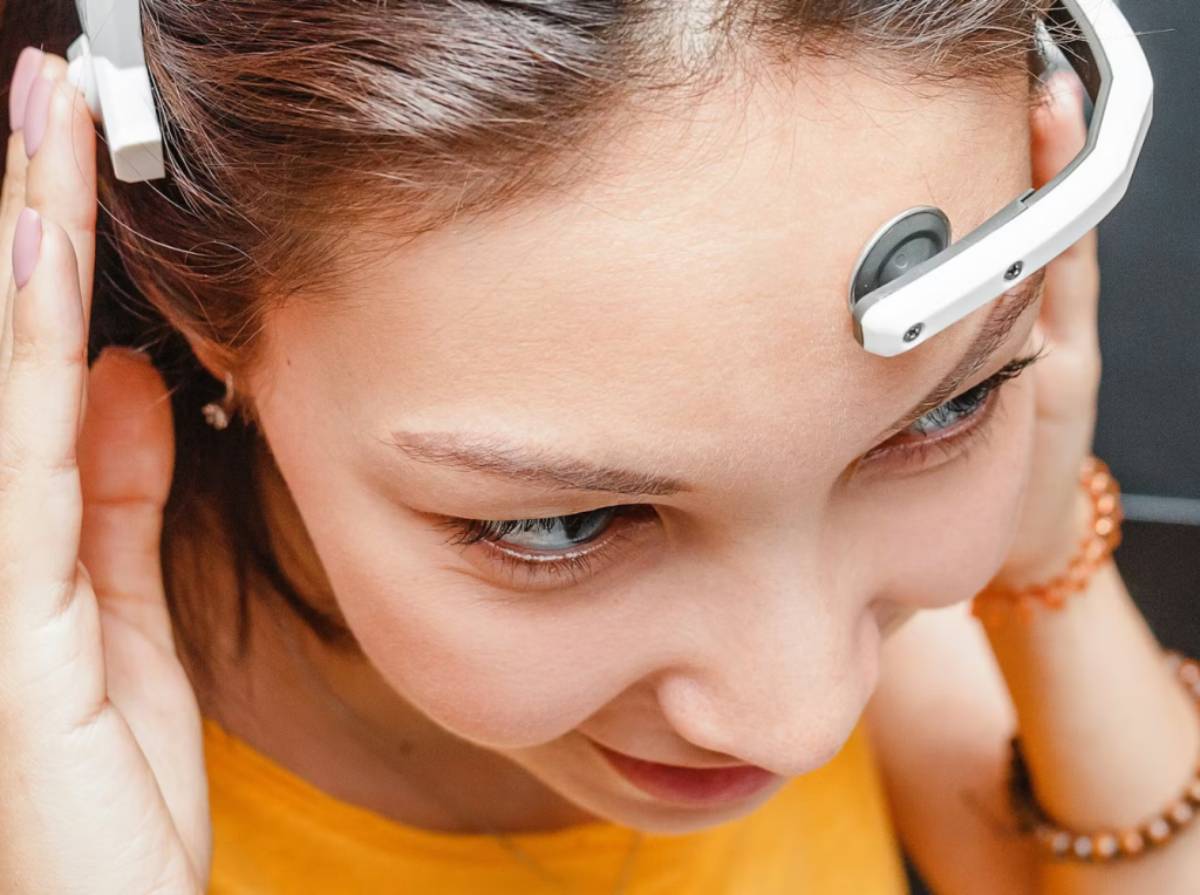
A new generation of neurotechnology is reshaping the wearable technology landscape as brain-interfacing devices move closer to commercial reality. The shift signals a strategic convergence of healthcare, artificial intelligence, and advanced sensing technologies, creating new opportunities and regulatory challenges for businesses, investors, and policymakers worldwide.
The analysis explores how next-generation wearable devices are evolving beyond traditional health monitoring to directly interface with neural activity. Advances in brain-computer interfaces (BCIs), non-invasive sensors, artificial intelligence, and biomedical engineering are enabling wearables to interpret neurological signals with increasing precision.
These innovations are expected to support applications ranging from neurological diagnostics and rehabilitation to productivity, mental wellness, and human-machine interaction. Researchers and technology developers are also working to improve device comfort, accuracy, and real-time data processing.
Industry observers view neurotechnology as one of the most promising frontiers in digital health, with potential applications extending across healthcare, enterprise, consumer electronics, and assistive technologies.
Neurotechnology has evolved rapidly over the past decade as advances in neuroscience, artificial intelligence, semiconductor design, and wearable electronics have accelerated the development of brain-computer interfaces. While early BCI systems were largely confined to research laboratories and clinical environments, technological improvements are gradually making non-invasive wearable solutions more practical and commercially viable.
Global investment in neurotechnology has increased significantly, driven by demand for innovative healthcare solutions, aging populations, and expanding interest in cognitive enhancement and human-machine interaction. Technology companies, research institutions, and healthcare providers are exploring applications that range from monitoring neurological disorders to enabling more intuitive digital interfaces.
At the same time, regulators are beginning to examine issues surrounding neural data privacy, cybersecurity, informed consent, and ethical governance. As devices become capable of interpreting increasingly sensitive brain signals, robust regulatory frameworks will be essential to ensure public trust and responsible innovation.
Industry experts describe neurotechnology as one of the most transformative areas within digital health, with the potential to redefine how humans interact with computers and medical systems. Analysts argue that combining wearable devices with artificial intelligence enables more personalized healthcare interventions and improved neurological monitoring.
Biomedical researchers emphasize that non-invasive brain interfaces could significantly expand access to therapies for patients with neurological conditions while also creating entirely new consumer applications. However, they caution that technical accuracy, clinical validation, and regulatory oversight remain essential before widespread adoption.
Although the article focuses on technological developments rather than formal policy announcements, experts consistently highlight ethical governance as a critical factor. Questions surrounding ownership of neural data, cybersecurity protections, and algorithmic transparency are expected to become increasingly important as neurotechnology enters mainstream markets.
For healthcare providers and technology companies, neurotechnology presents substantial opportunities to develop innovative medical devices, digital therapeutics, and intelligent wearable platforms. Businesses investing early in neuroscience-driven innovation could gain significant competitive advantages as the market matures.
For investors, the sector represents a high-growth opportunity spanning medical technology, artificial intelligence, semiconductor design, and digital health ecosystems. However, commercialization timelines will depend heavily on regulatory approvals and clinical validation.
For policymakers, the emergence of brain-connected wearables underscores the need for updated frameworks governing medical device regulation, neural data protection, cybersecurity, and ethical AI to support innovation while safeguarding public interests.
Looking ahead, neurotechnology is expected to advance through continued collaboration between healthcare providers, research institutions, and technology companies. Decision-makers will closely monitor clinical evidence, regulatory developments, and public acceptance of brain-interfacing wearables.
As artificial intelligence and neuroscience continue to converge, neurotechnology is poised to become a defining component of next-generation digital healthcare and human-centered computing.
Source: Silicon Luxembourg
Date: July 2, 2026


