



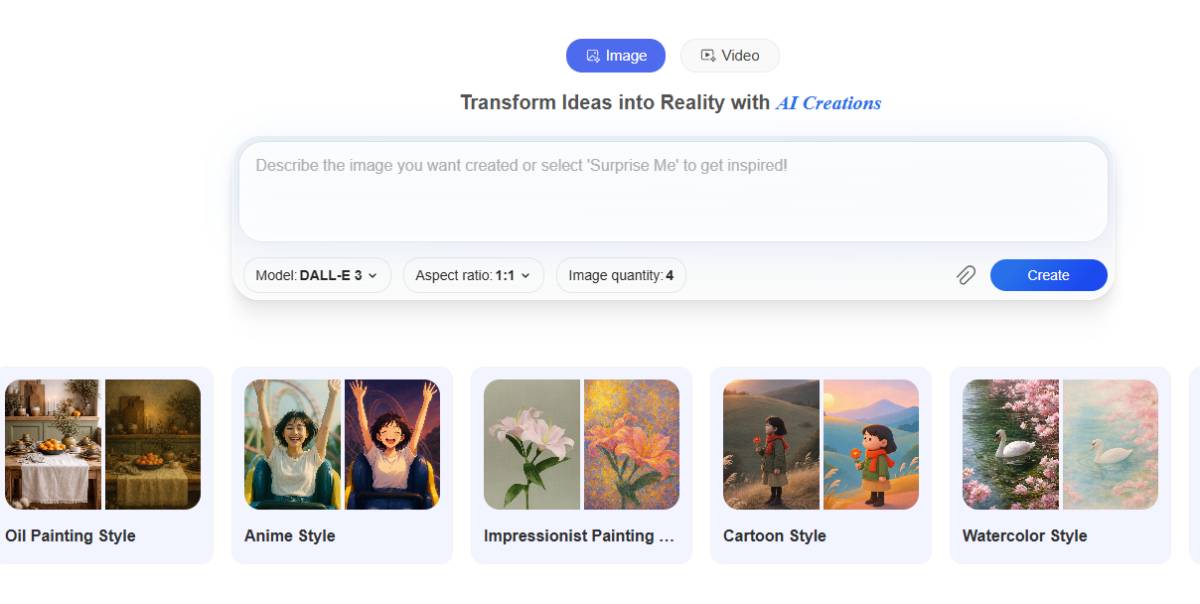
A major development unfolded as Microsoft scaled access to free AI-powered image generation through Bing Image Creator. The move signals a strategic push to democratize creative AI tools, with implications for digital content markets, design industries, and intensifying competition among global technology firms.
- Microsoft continues expanding its AI image generation capabilities through Bing Image Creator.
- The tool enables users to generate images from text prompts at no cost, lowering barriers to entry for creative AI.
- It is integrated into Microsoft’s broader ecosystem, including search and productivity platforms.
- The offering leverages advanced generative AI models to produce high-quality visuals.
- The platform targets individuals, creators, and businesses seeking rapid content generation.
- Analysts note that free access could accelerate adoption and user engagement globally.
- The move reflects increasing competition in the generative AI space, particularly in creative tools.
The generative AI market has seen rapid growth, particularly in image creation, where tools are transforming how digital content is produced. Companies are racing to offer more accessible, powerful, and integrated solutions to capture market share.
Microsoft has been a key player in this space, embedding AI capabilities across its ecosystem to drive adoption and engagement. The availability of free tools like Bing Image Creator reflects a broader trend toward democratizing AI technologies.
This development aligns with global shifts in content creation, where individuals and businesses increasingly rely on AI to enhance productivity and creativity. At the same time, it raises questions about intellectual property, originality, and the future of creative professions. The evolution of AI-generated content is reshaping industries ranging from marketing to entertainment.
Industry experts view Microsoft’s strategy as a calculated move to expand its user base and strengthen its position in the AI ecosystem. “Offering free access to powerful creative tools can significantly accelerate adoption and lock users into a broader platform,” noted a digital strategy analyst.
Executives at Microsoft emphasize the importance of making AI accessible while maintaining quality and safety standards. The integration of Bing Image Creator into existing products enhances usability and reach.
Analysts also highlight competitive pressures from other technology firms offering similar capabilities. The ability to combine accessibility, performance, and ecosystem integration is emerging as a key differentiator. Experts suggest that Microsoft’s approach could influence pricing and distribution strategies across the generative AI market.
For global executives, the expansion of free AI tools signals a shift toward broader adoption and increased competition in digital content creation. Businesses may need to integrate AI-driven design capabilities to remain competitive and efficient.
Investors could see this as a growth driver for platforms that successfully scale user engagement, though it may also pressure monetization strategies. Consumers benefit from greater access to creative tools, enabling innovation and productivity.
From a policy perspective, the rise of AI-generated content raises regulatory questions around copyright, data usage, and ethical standards. Governments may need to establish frameworks to address these challenges while supporting innovation.
Decision-makers should monitor adoption rates, competitive responses, and regulatory developments in generative AI. Future advancements may include improved image quality, customization, and integration with enterprise workflows.
Key uncertainties include monetization strategies, intellectual property challenges, and market consolidation. For executives and policymakers, the expansion of accessible AI tools will play a critical role in shaping the future of digital creativity and economic value creation.
Source: Microsoft
Date: April 9, 2026


