
Avigilon Advances Integrated Security Technology

Avigilon operates within the enterprise physical-security technology market, combining video security and access-control capabilities into an integrated portfolio.

August 14, 2026
|

Avigilon is advancing the convergence of video surveillance, access control and intelligent security management as organizations seek more unified approaches to protecting facilities, employees and assets. Its technology portfolio reflects a broader enterprise shift toward connected security infrastructure, where cloud platforms, mobile credentials and analytics can improve visibility, responsiveness and operational control.

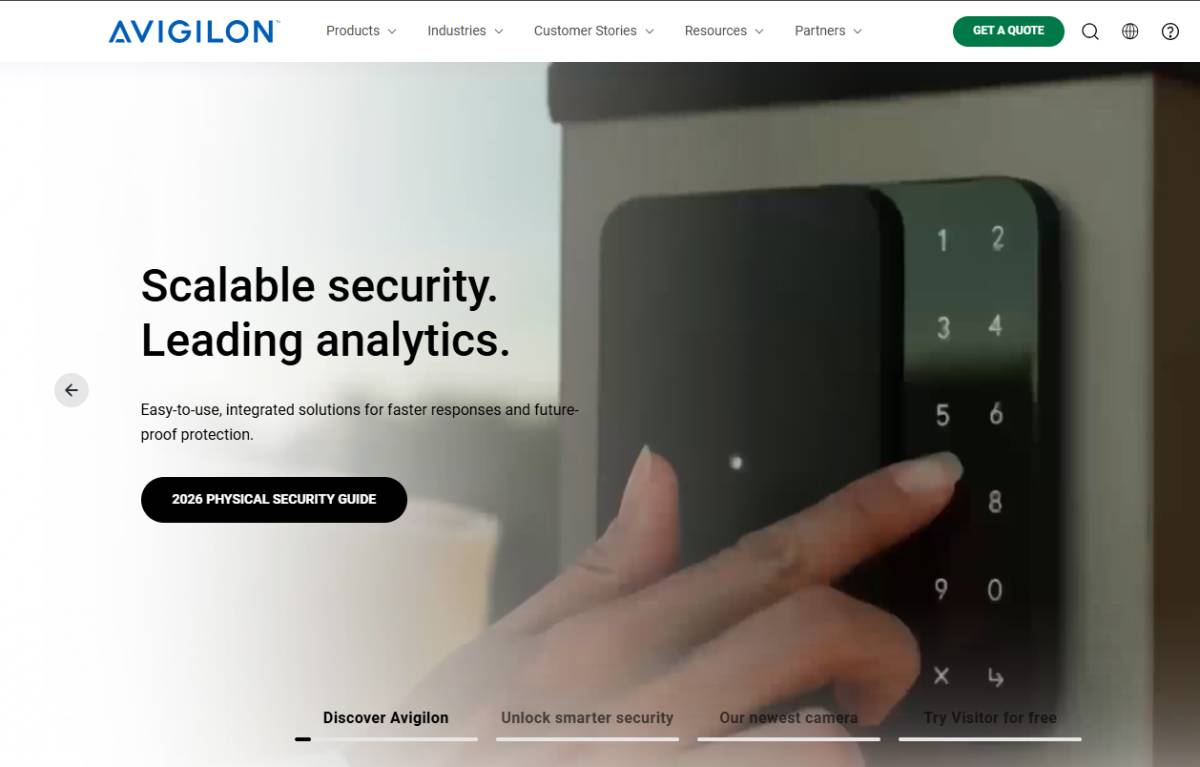
Avigilon operates within the enterprise physical-security technology market, combining video security and access-control capabilities into an integrated portfolio. The company's technology supports organizations seeking centralized management of security operations across facilities and locations. Capabilities associated with the portfolio include video surveillance, access control, mobile credentials, remote management and security integrations.

The integration of Openpath technology into Motorola Solutions' broader Avigilon portfolio strengthened the company's position in cloud-based access control and mobile entry. The approach enables organizations to manage security infrastructure through more connected digital workflows.

Key stakeholders include enterprises, security teams, facility managers and organizations operating multiple sites. The broader market is increasingly prioritizing scalable security systems that can combine access events with video and other operational intelligence.

Physical security is undergoing a fundamental digital transformation. Traditional systems centered on physical badges, standalone cameras and disconnected access-control infrastructure are increasingly being replaced or supplemented by cloud-managed platforms, mobile credentials and intelligent analytics.

This transition is driven by several factors. Organizations are managing increasingly distributed workplaces, multiple facilities and more complex security requirements. At the same time, security teams need faster access to information when investigating incidents or responding to threats.

Avigilon's evolution reflects this broader market direction. The integration of Openpath's access-control capabilities into the Avigilon portfolio creates a stronger connection between building access and video security.

For executives, this convergence can provide operational advantages by reducing fragmented systems and creating a more centralized security environment. However, modernization also creates new requirements around cybersecurity, privacy, interoperability and data governance.

The strategic question is no longer simply how to control physical entry, but how organizations can create an intelligent and connected security ecosystem. Security-industry analysts increasingly emphasize integration as a key factor in modern physical-security strategies. When access-control events and video information are connected, security personnel can gain greater context around activity occurring within a facility.

Mobile credentials are also changing how organizations manage physical access. Smartphones can reduce reliance on traditional access cards while enabling organizations to manage credentials remotely.

Cloud-based security introduces additional advantages for organizations operating multiple locations. Centralized administration can make it easier for security teams to manage permissions, monitor systems and maintain consistent policies across sites.

However, experts also highlight the importance of cybersecurity and privacy. Connected physical-security systems can generate significant amounts of sensitive operational and personal data, making strong access controls and governance essential.

For enterprise leaders, the strongest security strategy is therefore likely to combine technological integration with disciplined governance. Avigilon's positioning reflects this industry movement toward unified security platforms rather than isolated security products.

For businesses, integrated security technology can improve visibility while reducing the complexity of managing separate access-control and surveillance systems. Multi-location organizations may particularly benefit from centralized management, while security teams can potentially respond more efficiently when access events and video information are connected.

Executives evaluating such systems should examine interoperability, cybersecurity, deployment flexibility, mobile credential management, analytics and total ownership costs. The policy dimension is also significant. Organizations using video surveillance and digital access credentials must consider privacy requirements, employee-data protection and appropriate surveillance governance.

As physical and digital security increasingly converge, businesses will need security strategies that protect facilities without creating unnecessary privacy risks. The ability to combine convenience, operational efficiency and strong governance will become increasingly important to enterprise security decision-makers.

The physical-security market is likely to continue moving toward integrated platforms combining access control, video surveillance, analytics and cloud management. Avigilon is positioned within this transition as enterprises seek more centralized and intelligent security infrastructure. Decision-makers should monitor AI-driven analytics, mobile credentials, cybersecurity, interoperability and privacy standards. The next phase of enterprise security will likely focus on turning fragmented physical-security data into actionable intelligence while maintaining strong governance.

Source: Avigilon / Serchen
Date: August 14, 2026

  • Featured tools
Hostinger Horizons
Freemium

Hostinger Horizons is an AI-powered platform that allows users to build and deploy custom web applications without writing code. It packs hosting, domain management and backend integration into a unified tool for rapid app creation.

#
Startup Tools
#
Coding
#
Project Management
Learn more
Ai Fiesta
Paid

AI Fiesta is an all-in-one productivity platform that gives users access to multiple leading AI models through a single interface. It includes features like prompt enhancement, image generation, audio transcription and side-by-side model comparison.

#
Copywriting
#
Art Generator
Learn more

Learn more about future of AI

Join 80,000+ Ai enthusiast getting weekly updates on exciting AI tools.
Thank you! Your submission has been received!
Oops! Something went wrong while submitting the form.

Avigilon Advances Integrated Security Technology

August 14, 2026

Avigilon operates within the enterprise physical-security technology market, combining video security and access-control capabilities into an integrated portfolio.

Avigilon is advancing the convergence of video surveillance, access control and intelligent security management as organizations seek more unified approaches to protecting facilities, employees and assets. Its technology portfolio reflects a broader enterprise shift toward connected security infrastructure, where cloud platforms, mobile credentials and analytics can improve visibility, responsiveness and operational control.

Avigilon operates within the enterprise physical-security technology market, combining video security and access-control capabilities into an integrated portfolio. The company's technology supports organizations seeking centralized management of security operations across facilities and locations. Capabilities associated with the portfolio include video surveillance, access control, mobile credentials, remote management and security integrations.

The integration of Openpath technology into Motorola Solutions' broader Avigilon portfolio strengthened the company's position in cloud-based access control and mobile entry. The approach enables organizations to manage security infrastructure through more connected digital workflows.

Key stakeholders include enterprises, security teams, facility managers and organizations operating multiple sites. The broader market is increasingly prioritizing scalable security systems that can combine access events with video and other operational intelligence.

Physical security is undergoing a fundamental digital transformation. Traditional systems centered on physical badges, standalone cameras and disconnected access-control infrastructure are increasingly being replaced or supplemented by cloud-managed platforms, mobile credentials and intelligent analytics.

This transition is driven by several factors. Organizations are managing increasingly distributed workplaces, multiple facilities and more complex security requirements. At the same time, security teams need faster access to information when investigating incidents or responding to threats.

Avigilon's evolution reflects this broader market direction. The integration of Openpath's access-control capabilities into the Avigilon portfolio creates a stronger connection between building access and video security.

For executives, this convergence can provide operational advantages by reducing fragmented systems and creating a more centralized security environment. However, modernization also creates new requirements around cybersecurity, privacy, interoperability and data governance.

The strategic question is no longer simply how to control physical entry, but how organizations can create an intelligent and connected security ecosystem. Security-industry analysts increasingly emphasize integration as a key factor in modern physical-security strategies. When access-control events and video information are connected, security personnel can gain greater context around activity occurring within a facility.

Mobile credentials are also changing how organizations manage physical access. Smartphones can reduce reliance on traditional access cards while enabling organizations to manage credentials remotely.

Cloud-based security introduces additional advantages for organizations operating multiple locations. Centralized administration can make it easier for security teams to manage permissions, monitor systems and maintain consistent policies across sites.

However, experts also highlight the importance of cybersecurity and privacy. Connected physical-security systems can generate significant amounts of sensitive operational and personal data, making strong access controls and governance essential.

For enterprise leaders, the strongest security strategy is therefore likely to combine technological integration with disciplined governance. Avigilon's positioning reflects this industry movement toward unified security platforms rather than isolated security products.

For businesses, integrated security technology can improve visibility while reducing the complexity of managing separate access-control and surveillance systems. Multi-location organizations may particularly benefit from centralized management, while security teams can potentially respond more efficiently when access events and video information are connected.

Executives evaluating such systems should examine interoperability, cybersecurity, deployment flexibility, mobile credential management, analytics and total ownership costs. The policy dimension is also significant. Organizations using video surveillance and digital access credentials must consider privacy requirements, employee-data protection and appropriate surveillance governance.

As physical and digital security increasingly converge, businesses will need security strategies that protect facilities without creating unnecessary privacy risks. The ability to combine convenience, operational efficiency and strong governance will become increasingly important to enterprise security decision-makers.

The physical-security market is likely to continue moving toward integrated platforms combining access control, video surveillance, analytics and cloud management. Avigilon is positioned within this transition as enterprises seek more centralized and intelligent security infrastructure. Decision-makers should monitor AI-driven analytics, mobile credentials, cybersecurity, interoperability and privacy standards. The next phase of enterprise security will likely focus on turning fragmented physical-security data into actionable intelligence while maintaining strong governance.

Source: Avigilon / Serchen
Date: August 14, 2026

Promote Your Tool

Copy Embed Code

Similar Blogs

August 14, 2026
|

Benefitfocus Expands Digital Benefits Administration

Benefitfocus provides cloud-based technology covering benefits enrollment, administration, communications, billing, payments and data exchange.
Read more
August 14, 2026
|

Travel Agent Revenue Models Evolve Digitally

Travel agencies can earn commissions when customers book hotels, cruises, tours, vacation packages and other travel products through them. Suppliers may pay agents for generating bookings, making commissions a traditional component of agency revenue.
Read more
August 14, 2026
|

Sofon Advances Guided Selling CPQ Automation

Sofon's platform combines guided selling, product configuration, pricing, quotation and sales-management capabilities. Guided questionnaires help sales teams identify customer requirements and translate them into suitable product configurations.
Read more
August 14, 2026
|

WellRyde Advances Medical Transportation Management

WellRyde provides technology for managing non-emergency medical transportation operations, including trip scheduling, dispatch coordination, transportation-provider management and reporting.
Read more
August 14, 2026
|

Review WAVE Advances Digital Patient Engagement

Review WAVE provides healthcare practices with tools for online appointment scheduling, two-way texting, automated appointment reminders, digital forms, web chat, marketing campaigns and online review generation.
Read more
August 14, 2026
|

Edgenuity Expands Digital Virtual Education

Edgenuity provides digital curriculum and learning solutions covering core academic subjects, electives, Advanced Placement and career-oriented education.
Read more