
Automakers Return to Physical Controls

The analysis argues that oversized infotainment touchscreens, once viewed as symbols of automotive innovation, may compromise driver safety by requiring motorists to divert their attention from the road.

July 29, 2026
|
Image Source: Silicon Luxembourg

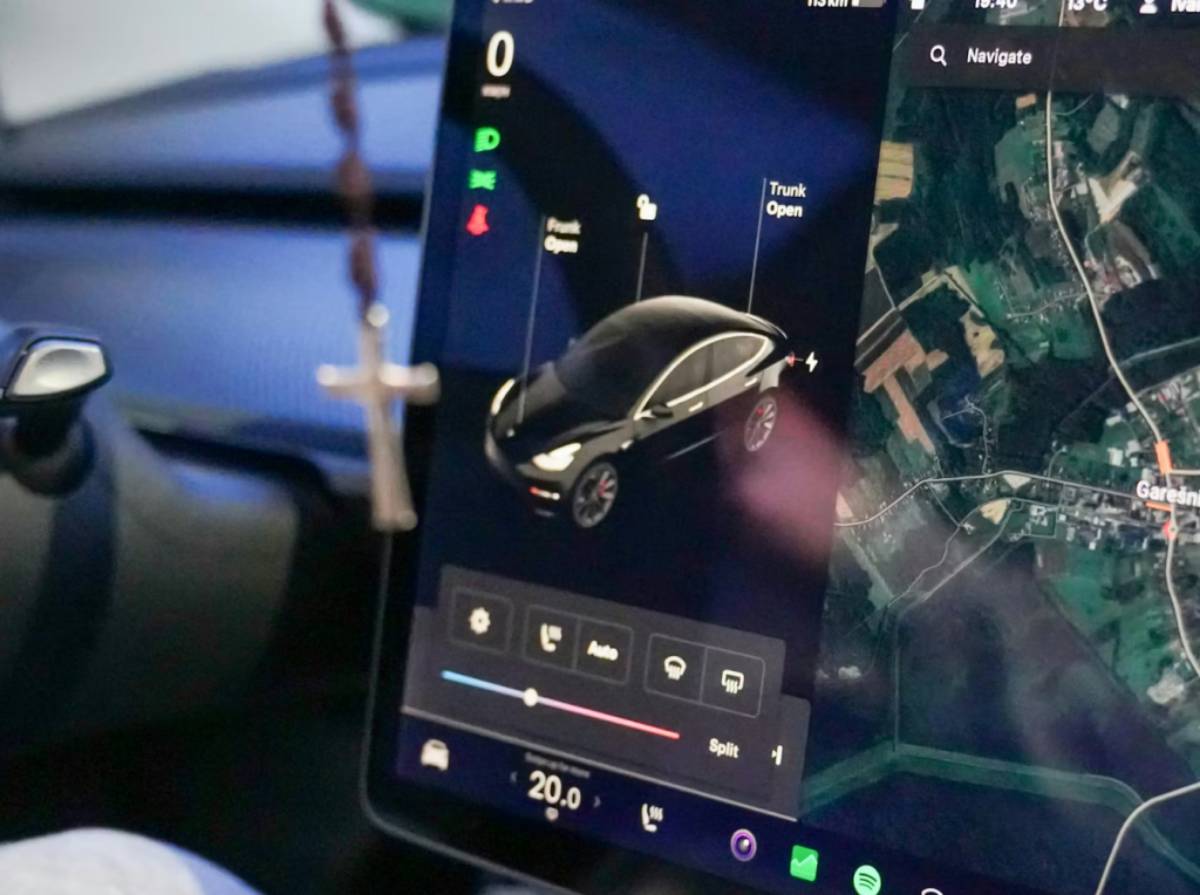
A growing safety debate is prompting the automotive industry to rethink its touchscreen-first approach as manufacturers increasingly reintroduce physical buttons into vehicle interiors. The shift reflects mounting evidence that driver distraction poses operational and regulatory risks, with implications for automakers, suppliers, technology companies, and road safety policymakers.

The analysis argues that oversized infotainment touchscreens, once viewed as symbols of automotive innovation, may compromise driver safety by requiring motorists to divert their attention from the road. As a result, several vehicle manufacturers are reconsidering interface design and restoring physical controls for frequently used functions such as climate settings, audio adjustments, and hazard lights.

Industry observers note that safety organizations and regulators are increasingly emphasizing ergonomic vehicle design that minimizes cognitive and visual distraction. The discussion also reflects changing consumer preferences, with many drivers expressing greater confidence in tactile controls for essential vehicle operations.

Over the past decade, automakers have rapidly expanded the use of large digital displays to centralize vehicle controls and create software-driven user experiences. This trend has been fueled by advances in connected vehicles, electric mobility, over-the-air software updates, and consumer demand for smartphone-like interfaces.

However, growing research has suggested that replacing traditional buttons with touchscreen menus can increase driver distraction by requiring greater visual attention and multiple screen interactions during driving. Safety advocates have argued that tactile controls allow drivers to operate essential vehicle functions with less cognitive effort.

The discussion coincides with broader industry efforts to improve human-machine interfaces (HMIs) as vehicles become increasingly automated and digitally connected. Manufacturers are now seeking to balance technological innovation with usability, ergonomics, and road safety as regulatory expectations continue to evolve.

Human factors specialists and automotive safety experts increasingly advocate for hybrid cockpit designs that combine digital interfaces with physical controls for critical vehicle functions. Researchers argue that while touchscreens provide flexibility and software integration, tactile buttons remain more intuitive during active driving.

Industry analysts note that effective interface design should prioritize minimizing driver distraction rather than maximizing digital functionality. Many experts suggest that frequently accessed controls including temperature adjustment, windshield defrosting, and emergency systems are better suited to physical switches that can be operated without prolonged visual attention.

Although the article centers on industry analysis rather than formal regulatory announcements, observers expect safety considerations to play a greater role in future vehicle design standards. The debate reflects a broader shift toward human-centered technology development within the automotive industry.

For automakers, the changing design philosophy may influence future vehicle development, requiring greater investment in ergonomic research and user-centered interface engineering. Suppliers specializing in vehicle controls and interior components could also benefit from renewed demand for integrated physical control systems.

For investors, the trend highlights how consumer safety expectations and regulatory developments can reshape product strategies within the automotive sector. For policymakers and road safety authorities, the discussion may contribute to updated design guidelines that encourage interfaces reducing driver distraction while supporting innovation in connected and software-defined vehicles.

Looking ahead, automotive manufacturers are expected to adopt more balanced cockpit designs that combine advanced digital displays with intuitive physical controls. Decision-makers will monitor evolving safety research, consumer feedback, and regulatory guidance as next-generation vehicles are developed.

As software-defined vehicles continue to evolve, success will increasingly depend on designing technology that enhances both innovation and driver safety rather than forcing a trade-off between the two.

Source: Silicon Luxembourg
Date: July 2, 2026

  • Featured tools
Murf Ai
Free

Murf AI Review – Advanced AI Voice Generator for Realistic Voiceovers

#
Text to Speech
Learn more
Writesonic AI
Free

Writesonic AI is a versatile AI writing platform designed for marketers, entrepreneurs, and content creators. It helps users create blog posts, ad copies, product descriptions, social media posts, and more with ease. With advanced AI models and user-friendly tools, Writesonic streamlines content production and saves time for busy professionals.

#
Copywriting
Learn more

Learn more about future of AI

Join 80,000+ Ai enthusiast getting weekly updates on exciting AI tools.
Thank you! Your submission has been received!
Oops! Something went wrong while submitting the form.

Automakers Return to Physical Controls

July 29, 2026

The analysis argues that oversized infotainment touchscreens, once viewed as symbols of automotive innovation, may compromise driver safety by requiring motorists to divert their attention from the road.

Image Source: Silicon Luxembourg

A growing safety debate is prompting the automotive industry to rethink its touchscreen-first approach as manufacturers increasingly reintroduce physical buttons into vehicle interiors. The shift reflects mounting evidence that driver distraction poses operational and regulatory risks, with implications for automakers, suppliers, technology companies, and road safety policymakers.

The analysis argues that oversized infotainment touchscreens, once viewed as symbols of automotive innovation, may compromise driver safety by requiring motorists to divert their attention from the road. As a result, several vehicle manufacturers are reconsidering interface design and restoring physical controls for frequently used functions such as climate settings, audio adjustments, and hazard lights.

Industry observers note that safety organizations and regulators are increasingly emphasizing ergonomic vehicle design that minimizes cognitive and visual distraction. The discussion also reflects changing consumer preferences, with many drivers expressing greater confidence in tactile controls for essential vehicle operations.

Over the past decade, automakers have rapidly expanded the use of large digital displays to centralize vehicle controls and create software-driven user experiences. This trend has been fueled by advances in connected vehicles, electric mobility, over-the-air software updates, and consumer demand for smartphone-like interfaces.

However, growing research has suggested that replacing traditional buttons with touchscreen menus can increase driver distraction by requiring greater visual attention and multiple screen interactions during driving. Safety advocates have argued that tactile controls allow drivers to operate essential vehicle functions with less cognitive effort.

The discussion coincides with broader industry efforts to improve human-machine interfaces (HMIs) as vehicles become increasingly automated and digitally connected. Manufacturers are now seeking to balance technological innovation with usability, ergonomics, and road safety as regulatory expectations continue to evolve.

Human factors specialists and automotive safety experts increasingly advocate for hybrid cockpit designs that combine digital interfaces with physical controls for critical vehicle functions. Researchers argue that while touchscreens provide flexibility and software integration, tactile buttons remain more intuitive during active driving.

Industry analysts note that effective interface design should prioritize minimizing driver distraction rather than maximizing digital functionality. Many experts suggest that frequently accessed controls including temperature adjustment, windshield defrosting, and emergency systems are better suited to physical switches that can be operated without prolonged visual attention.

Although the article centers on industry analysis rather than formal regulatory announcements, observers expect safety considerations to play a greater role in future vehicle design standards. The debate reflects a broader shift toward human-centered technology development within the automotive industry.

For automakers, the changing design philosophy may influence future vehicle development, requiring greater investment in ergonomic research and user-centered interface engineering. Suppliers specializing in vehicle controls and interior components could also benefit from renewed demand for integrated physical control systems.

For investors, the trend highlights how consumer safety expectations and regulatory developments can reshape product strategies within the automotive sector. For policymakers and road safety authorities, the discussion may contribute to updated design guidelines that encourage interfaces reducing driver distraction while supporting innovation in connected and software-defined vehicles.

Looking ahead, automotive manufacturers are expected to adopt more balanced cockpit designs that combine advanced digital displays with intuitive physical controls. Decision-makers will monitor evolving safety research, consumer feedback, and regulatory guidance as next-generation vehicles are developed.

As software-defined vehicles continue to evolve, success will increasingly depend on designing technology that enhances both innovation and driver safety rather than forcing a trade-off between the two.

Source: Silicon Luxembourg
Date: July 2, 2026

Promote Your Tool

Copy Embed Code

Similar Blogs

July 29, 2026
|

EmulationStation Enhances Retro Gaming Experience

EmulationStation is a front-end interface designed to organize and present video game emulation libraries through a streamlined user experience.
Read more
July 29, 2026
|

Tomoson Expands Influencer Marketing Collaboration

Tomoson operates as an influencer marketing platform designed to help brands collaborate with content creators and manage promotional campaigns.
Read more
July 29, 2026
|

ZeroBin.net Advances Secure Data Sharing

ZeroBin.net operates as a privacy-oriented platform that allows users to share encrypted information through temporary digital channels.
Read more
July 29, 2026
|

Gaia Expands Digital Knowledge Access

Gaia operates within the broader category of digital platforms focused on information discovery, organization, and knowledge accessibility.
Read more
July 29, 2026
|

MailDrop Expands Privacy Email Solutions

MailDrop operates as a temporary email service designed to help users create disposable email addresses for online registrations and digital interactions.
Read more
July 29, 2026
|

MacX YouTube Downloader Enhances Video Management

MacX YouTube Downloader is a multimedia software solution designed to support video downloading, conversion, and management from online platforms.
Read more