



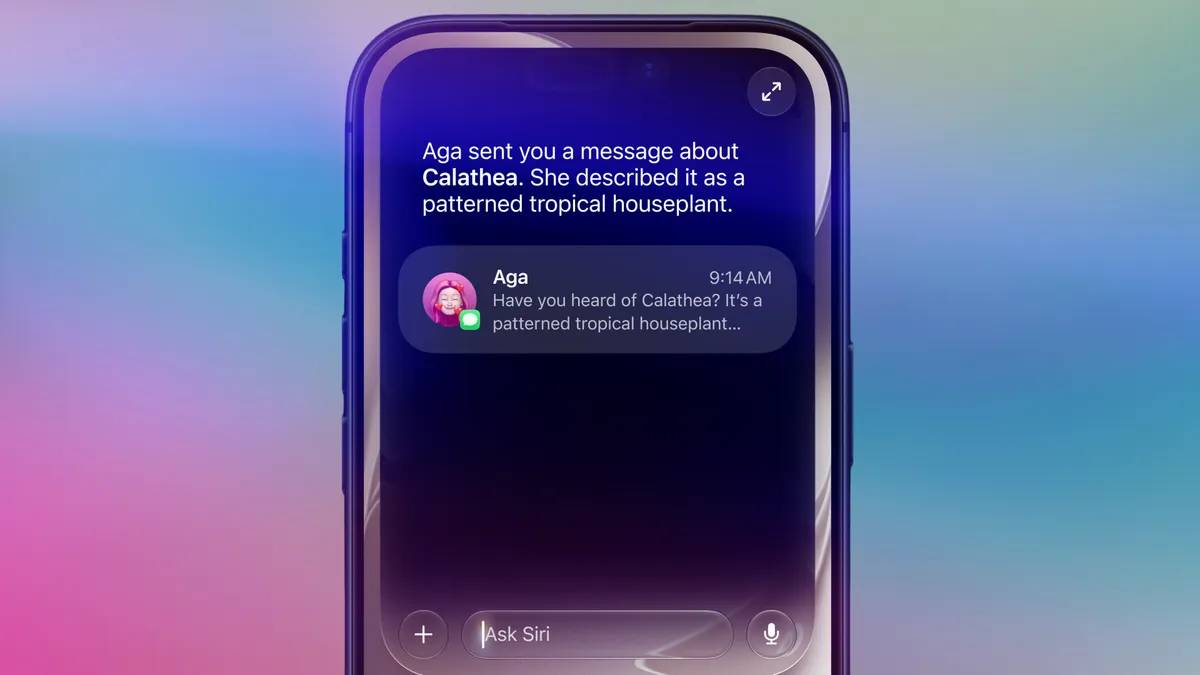
Apple’s latest software roadmap reveals a clear divide between legacy hardware and its emerging AI ecosystem, with iPhone 11 devices set to support iOS 27 but excluded from next-generation Siri AI features. The decision highlights a strategic shift toward AI-optimized hardware, reshaping upgrade cycles and user experience expectations across Apple’s global ecosystem.
Apple has confirmed that the iPhone 11 will remain compatible with iOS 27, extending software support for older devices. However, the device will not receive access to the new Siri AI capabilities, which are being reserved for more advanced hardware capable of running on-device intelligence systems.
The separation underscores Apple’s growing focus on hardware-driven AI performance, where neural processing capabilities determine feature availability. While users will still receive security updates and core OS improvements, AI-powered assistant functions will be limited to newer models. This approach reflects a broader industry trend of tying advanced AI features to premium hardware tiers.
The move reflects a wider transition in the smartphone industry, where artificial intelligence is becoming a defining factor in hardware differentiation. As AI workloads increasingly require dedicated neural engines, older devices face structural limitations in running advanced on-device models efficiently.
The development aligns with a broader trend across global markets where technology firms are segmenting product capabilities based on compute power rather than just software versioning. Apple has historically extended software support cycles, but the introduction of AI-centric features is reshaping that strategy.
This shift also reflects competitive pressure from other ecosystem players integrating generative AI into core operating systems. The result is a growing divergence between “AI-capable” and “non-AI-capable” devices, effectively redefining upgrade incentives in the premium smartphone segment.
Technology analysts suggest Apple’s decision reflects a calculated approach to manage performance constraints while accelerating adoption of its AI ecosystem. Experts note that advanced generative AI features require significant on-device processing power, memory bandwidth, and thermal efficiency that older devices cannot reliably sustain.
Industry observers argue that this segmentation could drive a new upgrade cycle, where AI capability becomes a primary purchasing factor rather than incremental camera or display improvements. Some consumer advocates, however, caution that limiting features to newer devices may raise concerns around planned obsolescence.
AI researchers highlight that on-device AI prioritization is becoming a standard industry practice, as companies seek to reduce latency and improve privacy. Nevertheless, the policy raises strategic questions about long-term device longevity in an AI-first computing era.
For Apple, the strategy reinforces a premium differentiation model where AI capability becomes a core revenue driver for new device sales. It may strengthen short-term upgrade demand but risks user pushback if perceived as limiting long-term device value.
For investors, the move signals a structural shift in smartphone monetization strategies, with AI features potentially becoming a key driver of hardware refresh cycles. Competitors may adopt similar segmentation strategies, intensifying market stratification.
For policymakers, the development raises broader questions about digital longevity, consumer rights, and transparency in AI feature gating. Analysts suggest that as AI becomes central to device functionality, regulatory scrutiny over feature access fairness may increase.
Apple is expected to continue tying advanced AI features to its latest hardware generations, reinforcing a multi-tier ecosystem strategy. The next phase will likely focus on expanding AI capabilities across devices while maintaining strict performance thresholds. The industry will closely watch whether consumers accept AI-based segmentation or push back against accelerated upgrade cycles driven by software limitations.
Source: CNET
Date: June 17, 2026


