
Apple Opens Siri Ecosystem to Rival AI Assistants

The development aligns with a broader trend across global markets where platform ecosystems are becoming more open under competitive and regulatory pressure.

March 30, 2026
|

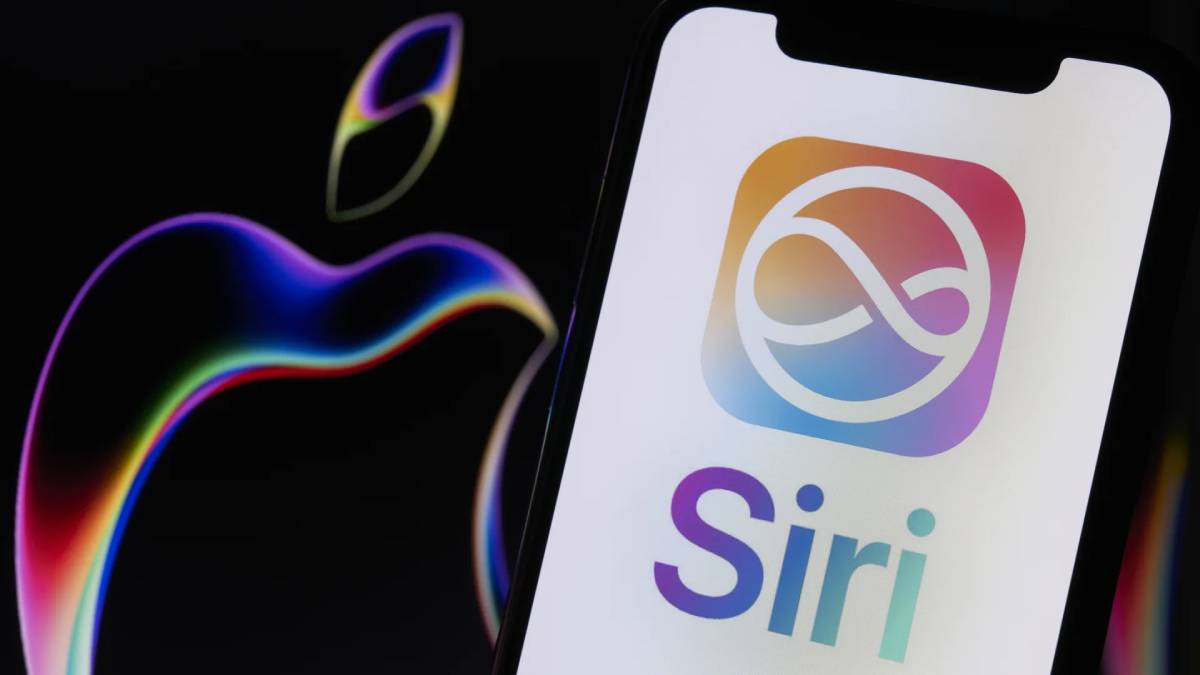
A major shift in platform strategy is underway as Apple plans to open its Siri ecosystem to rival AI assistants in the upcoming iOS 27 update. The move signals a departure from Apple’s traditionally closed model, with significant implications for developers, AI firms, regulators, and global competition in the digital assistant market.

  • Apple is preparing to allow third-party AI assistants to operate alongside Siri within iOS 27.
  • The expansion goes beyond current integrations, which already include limited support for OpenAI’s ChatGPT.
  • The initiative is expected to roll out with iOS 27, though timelines may evolve based on regulatory and technical factors.
  • Major AI players including Google and Anthropic could benefit from broader access to Apple’s ecosystem.
  • The move is seen as both a competitive response and a regulatory alignment, particularly amid increasing scrutiny over platform openness in key global markets.

The development aligns with a broader trend across global markets where platform ecosystems are becoming more open under competitive and regulatory pressure. Apple has historically maintained tight control over its hardware and software integration, positioning Siri as a native, default assistant. However, the rapid advancement of generative AI led by companies like OpenAI and Google has intensified competition in the assistant space.

At the same time, regulators in regions such as the European Union have pushed for greater interoperability and user choice, particularly under digital competition frameworks. Apple’s earlier integration of ChatGPT marked a first step toward external AI collaboration, but opening Siri to multiple assistants represents a more structural shift. This evolution reflects the growing importance of AI ecosystems as strategic battlegrounds, where user access, data flows, and developer participation define market leadership.

Industry analysts view Apple’s move as a calculated pivot balancing innovation with regulatory compliance. “Opening the ecosystem allows Apple to stay competitive without fully relinquishing control,” noted a senior technology strategist. While Apple has not publicly detailed the full scope of integrations, insiders suggest the company aims to maintain privacy standards while enabling flexibility. AI companies are likely to welcome the development, as access to Apple’s installed base could significantly expand their reach. Meanwhile, regulators may interpret the move as progress toward fair competition, though scrutiny over implementation will remain. Market experts also highlight that this shift could redefine user expectations, with consumers demanding seamless interoperability between AI assistants. The decision positions Apple within a broader industry transition toward modular, multi-AI environments.

For global executives, the shift could redefine platform strategies, particularly for companies building AI-powered services. Businesses may gain new distribution channels through Apple’s ecosystem, enhancing reach and user engagement. Investors are likely to monitor how this openness impacts Apple’s competitive positioning and revenue streams, especially in services. Developers could benefit from reduced barriers, fostering innovation and competition. Policymakers may view the move as a benchmark for platform openness, influencing regulatory frameworks worldwide. However, companies will need to navigate new complexities around data privacy, integration standards, and user experience consistency. The decision may also intensify competition among AI providers, accelerating innovation while reshaping market dynamics.

As iOS 27 approaches, attention will shift to implementation details, partner integrations, and regulatory responses. Decision-makers should monitor which AI providers gain access and how Apple balances openness with control. The move could set a precedent for platform ecosystems globally, influencing competitive dynamics and policy frameworks. Ultimately, Apple’s strategy may redefine how users interact with AI assistants across devices and services.

Source: Bloomberg
Date: March 26, 2026

  • Featured tools
Ai Fiesta
Paid

AI Fiesta is an all-in-one productivity platform that gives users access to multiple leading AI models through a single interface. It includes features like prompt enhancement, image generation, audio transcription and side-by-side model comparison.

#
Copywriting
#
Art Generator
Learn more
Neuron AI
Free

Neuron AI is an AI-driven content optimization platform that helps creators produce SEO-friendly content by combining semantic SEO, competitor analysis, and AI-assisted writing workflows.

#
SEO
Learn more

Learn more about future of AI

Join 80,000+ Ai enthusiast getting weekly updates on exciting AI tools.
Thank you! Your submission has been received!
Oops! Something went wrong while submitting the form.

Apple Opens Siri Ecosystem to Rival AI Assistants

March 30, 2026

The development aligns with a broader trend across global markets where platform ecosystems are becoming more open under competitive and regulatory pressure.

A major shift in platform strategy is underway as Apple plans to open its Siri ecosystem to rival AI assistants in the upcoming iOS 27 update. The move signals a departure from Apple’s traditionally closed model, with significant implications for developers, AI firms, regulators, and global competition in the digital assistant market.

  • Apple is preparing to allow third-party AI assistants to operate alongside Siri within iOS 27.
  • The expansion goes beyond current integrations, which already include limited support for OpenAI’s ChatGPT.
  • The initiative is expected to roll out with iOS 27, though timelines may evolve based on regulatory and technical factors.
  • Major AI players including Google and Anthropic could benefit from broader access to Apple’s ecosystem.
  • The move is seen as both a competitive response and a regulatory alignment, particularly amid increasing scrutiny over platform openness in key global markets.

The development aligns with a broader trend across global markets where platform ecosystems are becoming more open under competitive and regulatory pressure. Apple has historically maintained tight control over its hardware and software integration, positioning Siri as a native, default assistant. However, the rapid advancement of generative AI led by companies like OpenAI and Google has intensified competition in the assistant space.

At the same time, regulators in regions such as the European Union have pushed for greater interoperability and user choice, particularly under digital competition frameworks. Apple’s earlier integration of ChatGPT marked a first step toward external AI collaboration, but opening Siri to multiple assistants represents a more structural shift. This evolution reflects the growing importance of AI ecosystems as strategic battlegrounds, where user access, data flows, and developer participation define market leadership.

Industry analysts view Apple’s move as a calculated pivot balancing innovation with regulatory compliance. “Opening the ecosystem allows Apple to stay competitive without fully relinquishing control,” noted a senior technology strategist. While Apple has not publicly detailed the full scope of integrations, insiders suggest the company aims to maintain privacy standards while enabling flexibility. AI companies are likely to welcome the development, as access to Apple’s installed base could significantly expand their reach. Meanwhile, regulators may interpret the move as progress toward fair competition, though scrutiny over implementation will remain. Market experts also highlight that this shift could redefine user expectations, with consumers demanding seamless interoperability between AI assistants. The decision positions Apple within a broader industry transition toward modular, multi-AI environments.

For global executives, the shift could redefine platform strategies, particularly for companies building AI-powered services. Businesses may gain new distribution channels through Apple’s ecosystem, enhancing reach and user engagement. Investors are likely to monitor how this openness impacts Apple’s competitive positioning and revenue streams, especially in services. Developers could benefit from reduced barriers, fostering innovation and competition. Policymakers may view the move as a benchmark for platform openness, influencing regulatory frameworks worldwide. However, companies will need to navigate new complexities around data privacy, integration standards, and user experience consistency. The decision may also intensify competition among AI providers, accelerating innovation while reshaping market dynamics.

As iOS 27 approaches, attention will shift to implementation details, partner integrations, and regulatory responses. Decision-makers should monitor which AI providers gain access and how Apple balances openness with control. The move could set a precedent for platform ecosystems globally, influencing competitive dynamics and policy frameworks. Ultimately, Apple’s strategy may redefine how users interact with AI assistants across devices and services.

Source: Bloomberg
Date: March 26, 2026

Promote Your Tool

Copy Embed Code

Similar Blogs

April 17, 2026
|

Cybertruck-Style E-Bike Targets Urban Mobility

The newly introduced e-bike, often described as the “Cybertruck of e-bikes,” is designed with a rugged, futuristic aesthetic and enhanced performance capabilities aimed at replacing short car commutes.
Read more
April 17, 2026
|

Casely Reissues Power Bank Recall Over Safety

Casely has officially reannounced a recall of its portable power bank products originally flagged in 2025, following confirmation of a fatality associated with battery malfunction.
Read more
April 17, 2026
|

Telegram Scrutiny Over $21B Crypto Scam

Investigations highlight that Telegram has remained a hosting channel for a sprawling crypto scam ecosystem despite prior sanctions and enforcement actions targeting related entities.
Read more
April 17, 2026
|

Europe Launches Online Age Verification App

European regulators have rolled out a new age verification app designed to help online platforms confirm user eligibility for age-restricted content and services.
Read more
April 17, 2026
|

Meta Raises Quest 3 Prices on Supply Strain

Meta has officially raised prices on its Quest 3 and Quest 3S VR headsets, citing increased memory (RAM) costs amid global supply constraints.
Read more
April 17, 2026
|

Ozlo Sleepbuds See 30% Price Cut

Ozlo Sleepbuds, designed for noise-masking and sleep optimization, are currently being offered at nearly 30% off their standard retail price in a limited-time promotional campaign aligned with Mother’s Day gifting demand.
Read more