



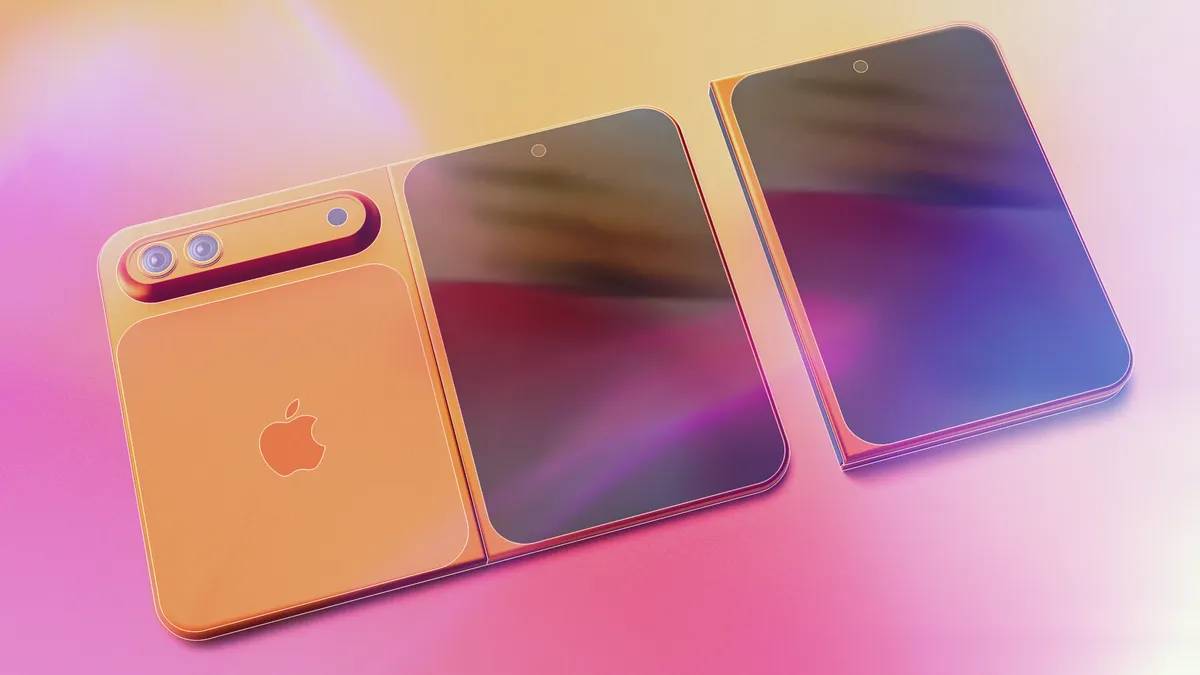
A major shift in the global smartphone landscape is anticipated as Apple prepares to enter the foldable device market with its expected iPhone Fold. The development signals a strategic expansion into next-generation mobile form factors, intensifying competition in the premium smartphone segment and reshaping innovation expectations across the global consumer electronics industry.
The anticipated iPhone Fold is expected to represent Apple’s first entry into the foldable smartphone category, a segment currently dominated by competing Android manufacturers. While official specifications remain unconfirmed, reports suggest a focus on premium design, advanced hinge engineering, and seamless software adaptation for foldable displays.
The device is expected to target the ultra-premium segment, reinforcing Apple’s strategy of high-margin hardware innovation. Its potential launch in 2026 positions it as a late but strategically timed entry into an emerging category. The move could reshape competitive dynamics in global smartphone markets, particularly in regions where foldable adoption is accelerating.
The foldable smartphone market has evolved from experimental prototypes to a growing premium category, driven by improvements in flexible display technology and consumer demand for larger yet portable screens. Manufacturers have increasingly positioned foldables as productivity-enhancing devices, blending smartphone convenience with tablet-like functionality.
Apple has historically entered new product categories later than competitors, focusing on refinement and ecosystem integration rather than early market disruption. This strategy has previously allowed it to dominate segments such as smartwatches and premium smartphones despite late entry.
The potential iPhone Fold reflects broader industry trends toward device convergence, where form factor innovation is becoming a key differentiator in saturated smartphone markets. It also aligns with rising competition among global manufacturers seeking to reinvigorate upgrade cycles in a mature consumer electronics industry.
Industry analysts suggest that Apple’s entry into the foldable segment could significantly legitimise the category, driving mainstream adoption beyond early adopters. Experts note that Apple’s ecosystem integration often serves as a catalyst for broader industry growth, particularly in hardware categories requiring software optimisation.
Market observers argue that while Android manufacturers have pioneered foldable technology, Apple’s focus on refinement, durability, and user experience could redefine consumer expectations. Analysts also highlight that supply chain readiness for foldable components remains a critical factor influencing launch timelines.
While Apple has not officially confirmed detailed specifications, industry commentary consistently points to a premium positioning strategy. Analysts further suggest that pricing, durability, and app ecosystem adaptation will be key determinants of success in this category.
For smartphone manufacturers, Apple’s entry into foldables could intensify competition and accelerate innovation cycles across the premium device market. Competitors may face increased pressure to differentiate through pricing, features, and hardware reliability.
For investors, the launch could signal renewed growth potential in a stagnating global smartphone industry, particularly within high-margin segments. For consumers, the introduction of an iPhone Fold may expand mainstream access to foldable technology, potentially driving wider adoption. From a policy standpoint, the development carries minimal regulatory implications but underscores increasing reliance on global supply chains for advanced display and semiconductor technologies.
Looking ahead, attention will focus on Apple’s official product roadmap, supply chain readiness, and software optimisation for foldable interfaces. Key uncertainties include durability performance, pricing strategy, and consumer demand elasticity in the premium segment. If executed successfully, the iPhone Fold could mark a defining moment in the evolution of mobile computing, reshaping competitive dynamics across the global smartphone industry.
Source: CNET
Date: June 4, 2026


