



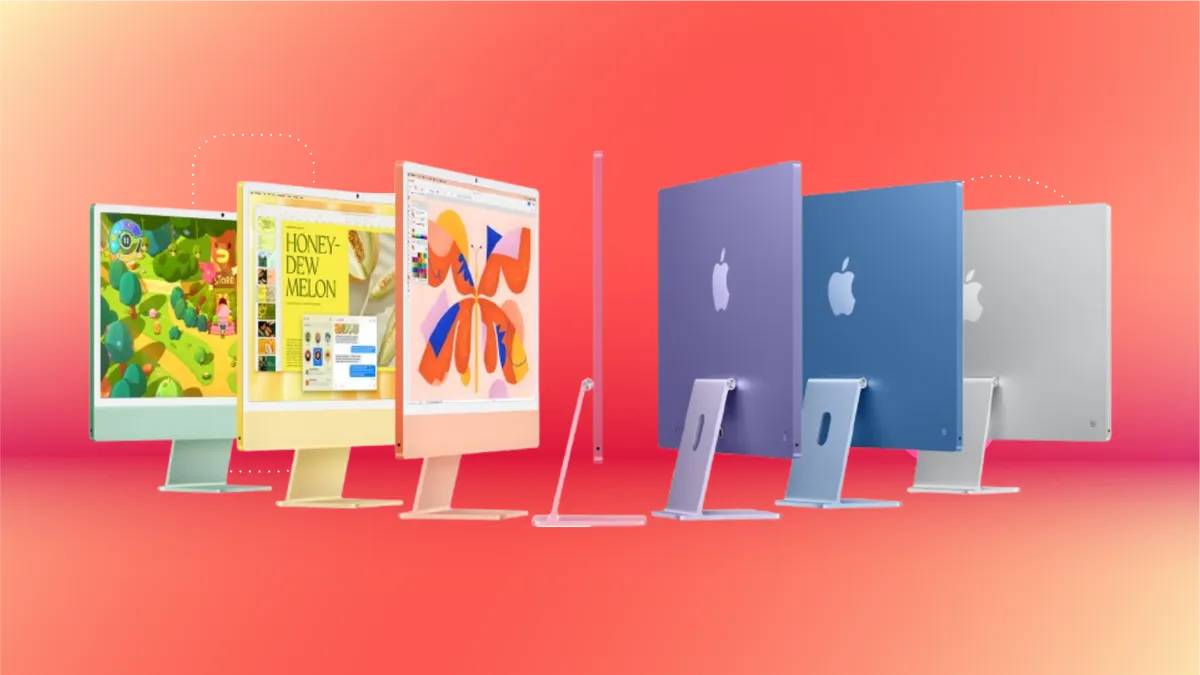
A new wave of promotional pricing and bundled incentives around Apple’s iMac lineup is reshaping consumer demand dynamics in the premium desktop segment. With expanded trade-in programs and added value offers, Apple is reinforcing its strategy to sustain momentum in personal computing while strengthening ecosystem lock-in across hardware, software, and services.
Apple’s latest iMac-focused promotions include discounted pricing, enhanced trade-in values, and bundled incentives aimed at making its desktop ecosystem more accessible to a wider consumer base. The offers are structured to encourage upgrades from older Apple devices as well as transitions from competing PC platforms.
Trade-in programs allow users to offset the cost of new iMac purchases by returning eligible older devices, effectively lowering the entry barrier for premium hardware adoption. Additional promotional bundles include software and service integrations designed to increase long-term user retention within Apple’s ecosystem.
These initiatives come at a time when the global PC market remains highly competitive, with manufacturers seeking to stimulate demand amid fluctuating hardware upgrade cycles and evolving consumer spending patterns.
The development aligns with a broader trend across global consumer technology markets where premium device manufacturers are increasingly relying on ecosystem-driven sales strategies rather than standalone hardware upgrades.
Apple has long positioned the iMac as a flagship desktop product targeting creative professionals, enterprise users, and high-end consumers. However, global PC demand has experienced cyclical slowdowns as hardware improvements become more incremental and consumers extend device replacement cycles.
In response, technology companies have expanded trade-in programs and bundled service offerings to maintain upgrade momentum and strengthen customer retention. Apple’s ecosystem strategy integrates hardware, software, and services such as iCloud, productivity tools, and subscription platforms, creating recurring revenue streams beyond initial device sales.
Historically, premium desktop computing has been influenced by major shifts such as the rise of laptops, cloud computing, and mobile-first workflows. Despite these transitions, desktop systems like the iMac continue to play a critical role in creative industries, software development, and enterprise environments requiring high-performance computing.
Mac systems also remain strategically important for Apple as anchor devices that reinforce ecosystem engagement across multiple product categories, including iPhone, iPad, and subscription services.
Industry analysts view Apple’s expanded promotional strategy as a response to both cyclical demand pressures and intensifying competition in the global PC market. Experts suggest that trade-in incentives are particularly effective in accelerating upgrade cycles by reducing perceived switching costs for consumers.
Technology strategists note that Apple’s strength lies not only in hardware innovation but in its tightly integrated ecosystem, which increases customer lifetime value. Bundled offerings that combine devices with services are seen as a key driver of sustained revenue growth.
Market observers highlight that while PC sales growth has moderated in recent years, premium segments remain relatively resilient, particularly among professional users and creative industries that rely on high-performance systems.
Analysts also emphasize that Apple’s pricing and trade-in strategies help maintain its premium brand positioning while still addressing affordability concerns in key markets.
Experts further point out that ecosystem lock-in continues to be one of Apple’s most powerful competitive advantages, making it difficult for users to switch away once fully integrated into its device and service network.
For businesses, Apple’s strategy reinforces the importance of ecosystem-based engagement rather than one-time hardware sales. Enterprises adopting Mac systems may benefit from integrated workflows but also face higher dependency on a single vendor ecosystem.
For investors, the expansion of trade-in programs and bundled offerings may help stabilize hardware sales cycles while strengthening recurring service revenues, which are increasingly central to Apple’s valuation model.
For consumers, these incentives reduce upfront costs for premium devices, potentially making high-performance computing more accessible while encouraging deeper integration into Apple’s ecosystem.
For competitors, Apple’s approach raises the competitive bar in premium PC markets, requiring alternative manufacturers to enhance value propositions beyond price-based competition.
The next phase of Apple’s desktop strategy will likely focus on sustaining upgrade momentum while expanding service-driven revenue streams. Decision-makers should monitor PC demand trends, trade-in program effectiveness, and consumer adoption of bundled ecosystems.
As global computing trends continue shifting toward integrated digital ecosystems, Apple’s iMac strategy reflects a broader industry transition where hardware, services, and software are increasingly inseparable components of long-term customer engagement.
Source: CNET
Date: June 2, 2026


