
Apple Hybrid AI Strategy Privacy Focus

Apple’s latest AI framework, revealed at WWDC 2026, incorporates advanced model capabilities influenced by Google’s Gemini ecosystem while adapting them for Apple’s proprietary infrastructure.

June 9, 2026
|

A major development unfolded in Apple’s artificial intelligence strategy as the company introduced new AI models reportedly built with elements of Google’s Gemini architecture while maintaining a strong emphasis on privacy-centric design. The approach signals a strategic balancing act between leveraging external AI advancements and preserving Apple’s core positioning around secure, on-device intelligence, with implications for global AI competition and ecosystem governance.

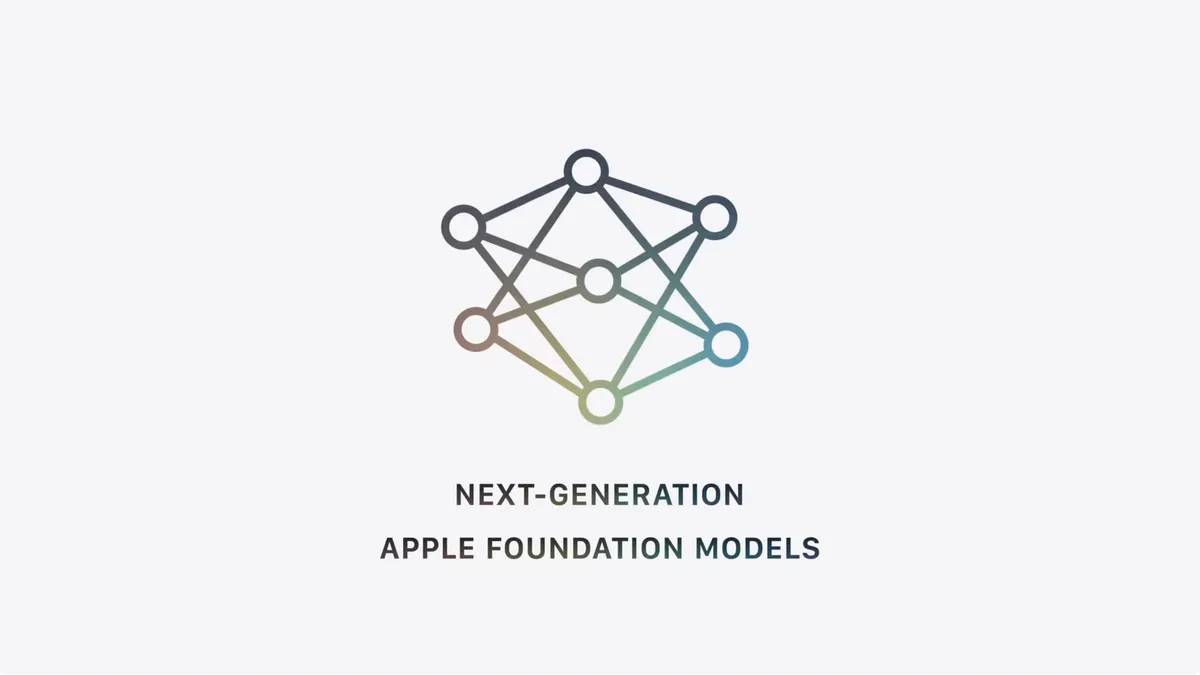
Apple’s latest AI framework, revealed at WWDC 2026, incorporates advanced model capabilities influenced by Google’s Gemini ecosystem while adapting them for Apple’s proprietary infrastructure. The models are designed to operate primarily on-device, supplemented by secure cloud processing where necessary.

The company emphasizes that user data remains protected through anonymization and local processing techniques, reducing reliance on centralized data collection. This hybrid architecture is intended to improve performance while maintaining Apple’s strict privacy standards.

Key stakeholders include Apple’s AI engineering teams, Google’s model ecosystem indirectly through architectural influence, developers building AI-powered applications, and global users across iOS, macOS, and visionOS platforms.

The announcement highlights Apple’s broader strategy of integrating best-in-class AI capabilities without fully relying on third-party cloud-based intelligence systems. The development aligns with a broader global trend in which technology companies are increasingly adopting hybrid AI architectures that combine proprietary systems with external model innovations. As large language models evolve rapidly, even leading platform companies are selectively integrating external advancements to accelerate deployment cycles.

Apple has historically differentiated itself through tight vertical integration and a strong privacy-first philosophy. However, the rapid acceleration of generative AI has created pressure to incorporate cutting-edge model capabilities to remain competitive.

Globally, AI development is being driven by a small number of foundational model providers, including Google, OpenAI, and other major research labs. This has led to a competitive environment where platform companies must decide between building fully proprietary models or leveraging external architectures.

The move reflects a broader industry convergence, where differentiation is increasingly defined by data handling, user experience design, and ecosystem integration rather than model architecture alone.

Industry analysts suggest that Apple’s hybrid AI approach represents a pragmatic strategy aimed at accelerating AI capability deployment without compromising its privacy-first branding. By selectively incorporating external model innovations, Apple can reduce development timelines while maintaining control over user data.

Experts highlight that on-device AI processing could provide significant advantages in latency, personalization, and offline functionality compared to fully cloud-based systems. This may strengthen Apple’s positioning in premium device segments where privacy and performance are key differentiators.

Technology observers also note that collaboration or architectural borrowing between major AI ecosystems is becoming increasingly common, even among competitors, as the pace of innovation intensifies.

However, some analysts caution that reliance on external model influence, even indirectly, could raise questions about long-term differentiation and technological independence in foundational AI capabilities.

For businesses, Apple’s hybrid AI strategy signals a shift toward more flexible AI integration models, enabling faster deployment of advanced capabilities across devices and applications. Developers may benefit from improved system-level AI performance and broader tool availability.

For investors, the approach reinforces Apple’s ecosystem-centric strategy, where AI serves as a value enhancer rather than a standalone monetization layer. This may strengthen long-term device loyalty and services revenue growth.

For policymakers, the blending of external AI architectures with proprietary privacy frameworks raises important questions about transparency, model provenance, and data governance standards across cross-platform AI systems.

Analysts suggest that hybrid AI strategies may become the dominant model across the industry as companies seek to balance innovation speed with control over user data. Apple is expected to continue refining its hybrid AI architecture, potentially expanding partnerships or architectural integrations while maintaining strict privacy controls. Decision-makers should monitor developer adoption, model performance benchmarks, and competitive responses from rival ecosystems.

While the strategy enhances Apple’s AI competitiveness, long-term differentiation will depend on how effectively it maintains privacy leadership while keeping pace with rapidly evolving foundational model innovation.

Source: CNET
Date: June 2026

  • Featured tools
Twistly AI
Paid

Twistly AI is a PowerPoint add-in that allows users to generate full slide decks, improve existing presentations, and convert various content types into polished slides directly within Microsoft PowerPoint.It streamlines presentation creation using AI-powered text analysis, image generation and content conversion.

#
Presentation
Learn more
Beautiful AI
Free

Beautiful AI is an AI-powered presentation platform that automates slide design and formatting, enabling users to create polished, on-brand presentations quickly.

#
Presentation
Learn more

Learn more about future of AI

Join 80,000+ Ai enthusiast getting weekly updates on exciting AI tools.
Thank you! Your submission has been received!
Oops! Something went wrong while submitting the form.

Apple Hybrid AI Strategy Privacy Focus

June 9, 2026

Apple’s latest AI framework, revealed at WWDC 2026, incorporates advanced model capabilities influenced by Google’s Gemini ecosystem while adapting them for Apple’s proprietary infrastructure.

A major development unfolded in Apple’s artificial intelligence strategy as the company introduced new AI models reportedly built with elements of Google’s Gemini architecture while maintaining a strong emphasis on privacy-centric design. The approach signals a strategic balancing act between leveraging external AI advancements and preserving Apple’s core positioning around secure, on-device intelligence, with implications for global AI competition and ecosystem governance.

Apple’s latest AI framework, revealed at WWDC 2026, incorporates advanced model capabilities influenced by Google’s Gemini ecosystem while adapting them for Apple’s proprietary infrastructure. The models are designed to operate primarily on-device, supplemented by secure cloud processing where necessary.

The company emphasizes that user data remains protected through anonymization and local processing techniques, reducing reliance on centralized data collection. This hybrid architecture is intended to improve performance while maintaining Apple’s strict privacy standards.

Key stakeholders include Apple’s AI engineering teams, Google’s model ecosystem indirectly through architectural influence, developers building AI-powered applications, and global users across iOS, macOS, and visionOS platforms.

The announcement highlights Apple’s broader strategy of integrating best-in-class AI capabilities without fully relying on third-party cloud-based intelligence systems. The development aligns with a broader global trend in which technology companies are increasingly adopting hybrid AI architectures that combine proprietary systems with external model innovations. As large language models evolve rapidly, even leading platform companies are selectively integrating external advancements to accelerate deployment cycles.

Apple has historically differentiated itself through tight vertical integration and a strong privacy-first philosophy. However, the rapid acceleration of generative AI has created pressure to incorporate cutting-edge model capabilities to remain competitive.

Globally, AI development is being driven by a small number of foundational model providers, including Google, OpenAI, and other major research labs. This has led to a competitive environment where platform companies must decide between building fully proprietary models or leveraging external architectures.

The move reflects a broader industry convergence, where differentiation is increasingly defined by data handling, user experience design, and ecosystem integration rather than model architecture alone.

Industry analysts suggest that Apple’s hybrid AI approach represents a pragmatic strategy aimed at accelerating AI capability deployment without compromising its privacy-first branding. By selectively incorporating external model innovations, Apple can reduce development timelines while maintaining control over user data.

Experts highlight that on-device AI processing could provide significant advantages in latency, personalization, and offline functionality compared to fully cloud-based systems. This may strengthen Apple’s positioning in premium device segments where privacy and performance are key differentiators.

Technology observers also note that collaboration or architectural borrowing between major AI ecosystems is becoming increasingly common, even among competitors, as the pace of innovation intensifies.

However, some analysts caution that reliance on external model influence, even indirectly, could raise questions about long-term differentiation and technological independence in foundational AI capabilities.

For businesses, Apple’s hybrid AI strategy signals a shift toward more flexible AI integration models, enabling faster deployment of advanced capabilities across devices and applications. Developers may benefit from improved system-level AI performance and broader tool availability.

For investors, the approach reinforces Apple’s ecosystem-centric strategy, where AI serves as a value enhancer rather than a standalone monetization layer. This may strengthen long-term device loyalty and services revenue growth.

For policymakers, the blending of external AI architectures with proprietary privacy frameworks raises important questions about transparency, model provenance, and data governance standards across cross-platform AI systems.

Analysts suggest that hybrid AI strategies may become the dominant model across the industry as companies seek to balance innovation speed with control over user data. Apple is expected to continue refining its hybrid AI architecture, potentially expanding partnerships or architectural integrations while maintaining strict privacy controls. Decision-makers should monitor developer adoption, model performance benchmarks, and competitive responses from rival ecosystems.

While the strategy enhances Apple’s AI competitiveness, long-term differentiation will depend on how effectively it maintains privacy leadership while keeping pace with rapidly evolving foundational model innovation.

Source: CNET
Date: June 2026

Promote Your Tool

Copy Embed Code

Similar Blogs

June 9, 2026
|

Apple Hybrid AI Strategy Privacy Focus

Apple’s latest AI framework, revealed at WWDC 2026, incorporates advanced model capabilities influenced by Google’s Gemini ecosystem while adapting them for Apple’s proprietary infrastructure.
Read more
June 9, 2026
|

Apple Fitness Plus AI Coaching Expansion

Apple’s latest Fitness+ update brings Spanish language support to its AI-driven Workout Buddy feature, which provides real-time coaching and motivational guidance during workouts.
Read more
June 9, 2026
|

Apple Overhauls AI Strategy WWDC2026 Ecosystem

Apple introduced a broad expansion of its “Apple Intelligence” framework, embedding AI more deeply into iOS, iPadOS, macOS, and visionOS.
Read more
June 9, 2026
|

Apple Expands iPadOS AI Productivity Ecosystem

Apple’s iPadOS 27 introduces a new layer of system-wide intelligence designed to improve multitasking, content generation, and contextual assistance across iPad devices.
Read more
June 9, 2026
|

Apple Upgrades Vision Pro AI Spatial Intelligence

Apple’s Vision Pro will soon receive AI-powered enhancements that allow the device to better interpret and interact with real-world environments.
Read more
June 9, 2026
|

Instagram Expands Profile Grid Customization Feature

Instagram’s new feature enables users to manually rearrange the order of posts displayed on their profile grid, moving away from the traditional chronological layout.
Read more