
Apple Delays AI Glasses to 2027

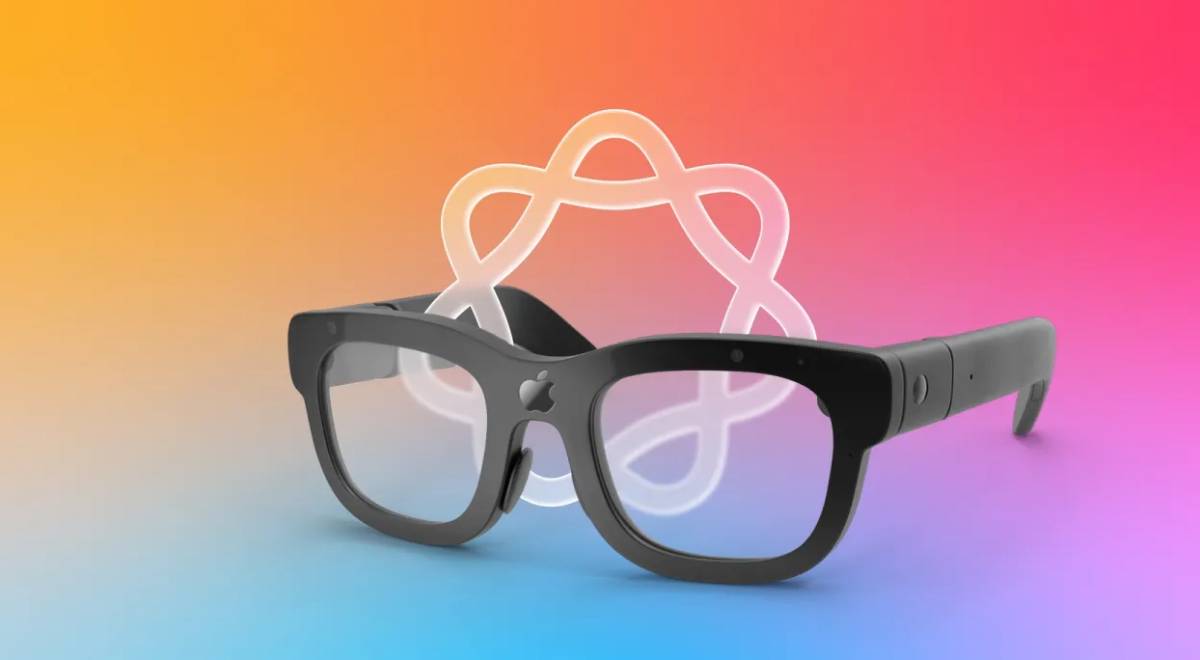
Apple’s AI glasses, initially expected earlier in the product cycle, are now projected to arrive in late 2027 following extended development timelines.

July 29, 2026
|
Image Source: 9to5Mac

A significant recalibration is underway in the global wearable technology market as Apple reportedly delays the launch of its long-anticipated AI-powered smart glasses to late 2027, with a second-generation “Vision Air” device now expected by 2029. The revised timeline highlights the technical complexity of next-generation augmented reality systems and signals intensifying competition in spatial computing, with implications for hardware manufacturers, software ecosystems, and the broader consumer electronics industry.

Apple’s AI glasses, initially expected earlier in the product cycle, are now projected to arrive in late 2027 following extended development timelines. The company is also reportedly planning a lighter, more affordable augmented reality device under the “Vision Air” branding, targeting a 2029 release window.

The delay reflects ongoing engineering challenges in miniaturizing advanced display systems, optimizing battery performance, and integrating AI-driven contextual computing into a lightweight wearable form factor.

The roadmap positions Apple’s wearable strategy as a multi-stage rollout, building on its existing Vision Pro ecosystem while gradually expanding into mainstream consumer AR adoption. The move comes amid increasing competition from technology companies exploring smart glasses, mixed reality devices, and AI-enabled wearable platforms.

The development aligns with a broader trend across global markets where augmented reality and spatial computing are emerging as the next frontier in personal technology. Following the smartphone era, major technology firms are now competing to define the successor interface that blends digital and physical environments.

Companies such as Meta, Google, and several Chinese technology firms have accelerated investment in smart glasses and AI-powered wearable devices. These efforts reflect a strategic shift toward hands-free computing, contextual AI assistants, and real-time information overlay systems.

Apple’s Vision Pro headset marked the company’s entry into spatial computing, but high cost and limited consumer adoption have reinforced the need for lighter, more accessible form factors. The transition from immersive headsets to everyday wearable glasses is widely seen as a critical step in mainstream adoption.

Historically, Apple has taken a long-cycle approach to new product categories, prioritizing ecosystem integration, hardware refinement, and user experience over early market entry. The revised timeline suggests a continued focus on product maturity rather than speed-to-market.

Industry analysts view the delay as a strategic decision rather than a setback, emphasizing that wearable AI devices require breakthroughs across multiple hardware and software domains. These include display miniaturization, low-power chip architectures, real-time AI processing, and seamless cloud-device integration.

Technology strategists argue that the next wave of competition will be defined not only by hardware design but also by AI ecosystem control. Smart glasses are expected to function as always-on AI assistants, requiring robust privacy frameworks and advanced contextual understanding.

Market observers note that consumer adoption of AR and VR technologies has historically been slower than anticipated, largely due to cost, usability, and content limitations. As a result, companies are under pressure to deliver compelling use cases beyond gaming and niche enterprise applications.

Industry leaders also highlight that AI integration may become the defining feature of next-generation wearable devices, shifting focus from visual augmentation alone to intelligent real-time decision support systems.

For global executives, Apple’s revised timeline underscores the complexity and long-term nature of the spatial computing race. Companies operating in hardware, semiconductor design, AI software, and content ecosystems may need to adjust product roadmaps and investment expectations accordingly.

Investors are likely to interpret the delay as evidence that mass-market adoption of AI wearables remains several years away, even as competition intensifies. This could shift near-term capital focus toward enabling technologies such as AI chips, battery innovation, and edge computing infrastructure.

For policymakers, the rise of always-on wearable AI systems raises important questions around data privacy, surveillance regulation, and digital consent frameworks. Governments may need to establish new standards governing real-time data capture and contextual AI interaction in public spaces. Consumers will ultimately benefit from more refined and user-friendly devices, but adoption will depend heavily on affordability, comfort, and perceived utility.

The next phase of the wearable AI market will be defined by incremental innovation rather than immediate disruption. Decision-makers should monitor Apple’s product development milestones, competitor launches, and breakthroughs in AI hardware integration.

The central uncertainty remains whether smart glasses will evolve into a mass-market computing platform or remain a premium niche category. The outcome will shape the future of personal computing over the next decade.

Source: 9to5Mac
Date:
May 31, 2026

  • Featured tools
Outplay AI
Free

Outplay AI is a dynamic sales engagement platform combining AI-powered outreach, multi-channel automation, and performance tracking to help teams optimize conversion and pipeline generation.

#
Sales
Learn more
Wonder AI
Free

Wonder AI is a versatile AI-powered creative platform that generates text, images, and audio with minimal input, designed for fast storytelling, visual creation, and audio content generation

#
Art Generator
Learn more

Learn more about future of AI

Join 80,000+ Ai enthusiast getting weekly updates on exciting AI tools.
Thank you! Your submission has been received!
Oops! Something went wrong while submitting the form.

Apple Delays AI Glasses to 2027

July 29, 2026

Apple’s AI glasses, initially expected earlier in the product cycle, are now projected to arrive in late 2027 following extended development timelines.

Image Source: 9to5Mac

A significant recalibration is underway in the global wearable technology market as Apple reportedly delays the launch of its long-anticipated AI-powered smart glasses to late 2027, with a second-generation “Vision Air” device now expected by 2029. The revised timeline highlights the technical complexity of next-generation augmented reality systems and signals intensifying competition in spatial computing, with implications for hardware manufacturers, software ecosystems, and the broader consumer electronics industry.

Apple’s AI glasses, initially expected earlier in the product cycle, are now projected to arrive in late 2027 following extended development timelines. The company is also reportedly planning a lighter, more affordable augmented reality device under the “Vision Air” branding, targeting a 2029 release window.

The delay reflects ongoing engineering challenges in miniaturizing advanced display systems, optimizing battery performance, and integrating AI-driven contextual computing into a lightweight wearable form factor.

The roadmap positions Apple’s wearable strategy as a multi-stage rollout, building on its existing Vision Pro ecosystem while gradually expanding into mainstream consumer AR adoption. The move comes amid increasing competition from technology companies exploring smart glasses, mixed reality devices, and AI-enabled wearable platforms.

The development aligns with a broader trend across global markets where augmented reality and spatial computing are emerging as the next frontier in personal technology. Following the smartphone era, major technology firms are now competing to define the successor interface that blends digital and physical environments.

Companies such as Meta, Google, and several Chinese technology firms have accelerated investment in smart glasses and AI-powered wearable devices. These efforts reflect a strategic shift toward hands-free computing, contextual AI assistants, and real-time information overlay systems.

Apple’s Vision Pro headset marked the company’s entry into spatial computing, but high cost and limited consumer adoption have reinforced the need for lighter, more accessible form factors. The transition from immersive headsets to everyday wearable glasses is widely seen as a critical step in mainstream adoption.

Historically, Apple has taken a long-cycle approach to new product categories, prioritizing ecosystem integration, hardware refinement, and user experience over early market entry. The revised timeline suggests a continued focus on product maturity rather than speed-to-market.

Industry analysts view the delay as a strategic decision rather than a setback, emphasizing that wearable AI devices require breakthroughs across multiple hardware and software domains. These include display miniaturization, low-power chip architectures, real-time AI processing, and seamless cloud-device integration.

Technology strategists argue that the next wave of competition will be defined not only by hardware design but also by AI ecosystem control. Smart glasses are expected to function as always-on AI assistants, requiring robust privacy frameworks and advanced contextual understanding.

Market observers note that consumer adoption of AR and VR technologies has historically been slower than anticipated, largely due to cost, usability, and content limitations. As a result, companies are under pressure to deliver compelling use cases beyond gaming and niche enterprise applications.

Industry leaders also highlight that AI integration may become the defining feature of next-generation wearable devices, shifting focus from visual augmentation alone to intelligent real-time decision support systems.

For global executives, Apple’s revised timeline underscores the complexity and long-term nature of the spatial computing race. Companies operating in hardware, semiconductor design, AI software, and content ecosystems may need to adjust product roadmaps and investment expectations accordingly.

Investors are likely to interpret the delay as evidence that mass-market adoption of AI wearables remains several years away, even as competition intensifies. This could shift near-term capital focus toward enabling technologies such as AI chips, battery innovation, and edge computing infrastructure.

For policymakers, the rise of always-on wearable AI systems raises important questions around data privacy, surveillance regulation, and digital consent frameworks. Governments may need to establish new standards governing real-time data capture and contextual AI interaction in public spaces. Consumers will ultimately benefit from more refined and user-friendly devices, but adoption will depend heavily on affordability, comfort, and perceived utility.

The next phase of the wearable AI market will be defined by incremental innovation rather than immediate disruption. Decision-makers should monitor Apple’s product development milestones, competitor launches, and breakthroughs in AI hardware integration.

The central uncertainty remains whether smart glasses will evolve into a mass-market computing platform or remain a premium niche category. The outcome will shape the future of personal computing over the next decade.

Source: 9to5Mac
Date:
May 31, 2026

Promote Your Tool

Copy Embed Code

Similar Blogs

July 29, 2026
|

EmulationStation Enhances Retro Gaming Experience

EmulationStation is a front-end interface designed to organize and present video game emulation libraries through a streamlined user experience.
Read more
July 29, 2026
|

Tomoson Expands Influencer Marketing Collaboration

Tomoson operates as an influencer marketing platform designed to help brands collaborate with content creators and manage promotional campaigns.
Read more
July 29, 2026
|

ZeroBin.net Advances Secure Data Sharing

ZeroBin.net operates as a privacy-oriented platform that allows users to share encrypted information through temporary digital channels.
Read more
July 29, 2026
|

Gaia Expands Digital Knowledge Access

Gaia operates within the broader category of digital platforms focused on information discovery, organization, and knowledge accessibility.
Read more
July 29, 2026
|

MailDrop Expands Privacy Email Solutions

MailDrop operates as a temporary email service designed to help users create disposable email addresses for online registrations and digital interactions.
Read more
July 29, 2026
|

MacX YouTube Downloader Enhances Video Management

MacX YouTube Downloader is a multimedia software solution designed to support video downloading, conversion, and management from online platforms.
Read more