
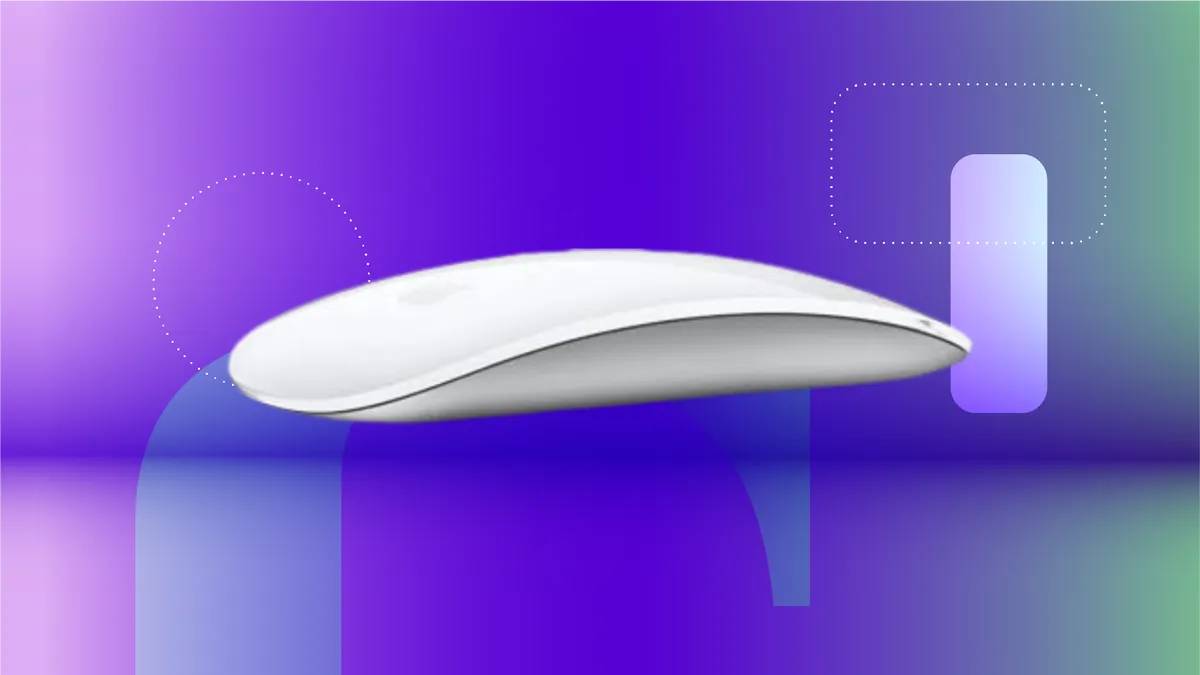
Apple Cuts Magic Mouse Price Amid Competition Shift

The Apple Magic Mouse is available at nearly a 20% discount through select retail channels, marking a notable price reduction for one of Apple’s flagship peripherals.

May 6, 2026
|
Image Source: CNET

Apple’s Magic Mouse is currently being offered at a discounted price, reflecting short-term retail promotions in the premium tech accessories segment. While the deal is consumer-focused, it underscores broader pricing dynamics in Apple’s ecosystem, where hardware margins, third-party competition, and seasonal demand cycles influence accessory affordability and market positioning.

The Apple Magic Mouse is available at nearly a 20% discount through select retail channels, marking a notable price reduction for one of Apple’s flagship peripherals. The offer is time-sensitive and applies to limited stock availability, targeting consumers looking to upgrade Mac setups or replace existing accessories.

The discount comes amid broader promotional activity in the consumer electronics sector, where retailers are increasingly using bundled and standalone price cuts to stimulate demand. While Apple itself maintains premium pricing strategies, authorized resellers frequently introduce temporary reductions to maintain competitive traction in the accessories market.

Apple’s accessories ecosystem plays a significant role in reinforcing its broader hardware strategy, ensuring seamless integration across Mac, iPad, and iPhone devices. Products such as the Magic Mouse are positioned not just as peripherals but as extensions of the Apple user experience.

However, the premium pricing model for accessories has faced increasing scrutiny, particularly as competing brands offer similar functionality at lower cost points. This has led to periodic retail discounts aimed at maintaining demand elasticity without altering official Apple pricing structures.

In the broader consumer electronics market, accessory pricing often fluctuates more dynamically than core devices, reflecting inventory cycles, seasonal demand, and retailer-driven promotions. These patterns are especially visible during global sales periods and product refresh cycles.

Retail analysts suggest that Apple accessories remain highly price inelastic at the brand level but responsive to promotional environments at the distribution level. This creates opportunities for retailers to adjust pricing without affecting Apple’s core premium positioning strategy.

Market observers note that accessories like the Magic Mouse serve both functional and ecosystem-lock-in roles, reinforcing user dependency on Apple’s hardware-software integration. As a result, even modest discounts can significantly influence short-term purchasing behavior.

Consumer behavior specialists highlight that discounts on high-recognition products often act as entry points for broader ecosystem adoption, particularly among new Mac users or students entering the Apple environment.

For retailers, the discount highlights the importance of tactical pricing strategies in maintaining competitiveness within premium electronics segments. It also reflects ongoing efforts to balance inventory turnover with brand-aligned pricing structures.

For Apple, accessory pricing continues to function as a high-margin revenue stream, even when periodic discounts are introduced through third-party channels. From a consumer standpoint, such offers improve accessibility to ecosystem peripherals without altering long-term pricing expectations. In the broader market context, these dynamics illustrate how premium technology brands manage demand stimulation without diluting brand equity.

Accessory pricing is expected to remain highly promotional at the retail level, especially during seasonal sales cycles and product refresh periods. Apple is likely to maintain its premium pricing stance while allowing controlled discounting through authorized channels. Future demand will continue to be shaped by ecosystem expansion and cross-device integration trends.

Source: CNET
Date: May 2026

  • Featured tools
Surfer AI
Free

Surfer AI is an AI-powered content creation assistant built into the Surfer SEO platform, designed to generate SEO-optimized articles from prompts, leveraging data from search results to inform tone, structure, and relevance.

#
SEO
Learn more
WellSaid Ai
Free

WellSaid AI is an advanced text-to-speech platform that transforms written text into lifelike, human-quality voiceovers.

#
Text to Speech
Learn more

Learn more about future of AI

Join 80,000+ Ai enthusiast getting weekly updates on exciting AI tools.
Thank you! Your submission has been received!
Oops! Something went wrong while submitting the form.

Apple Cuts Magic Mouse Price Amid Competition Shift

May 6, 2026

The Apple Magic Mouse is available at nearly a 20% discount through select retail channels, marking a notable price reduction for one of Apple’s flagship peripherals.

Image Source: CNET

Apple’s Magic Mouse is currently being offered at a discounted price, reflecting short-term retail promotions in the premium tech accessories segment. While the deal is consumer-focused, it underscores broader pricing dynamics in Apple’s ecosystem, where hardware margins, third-party competition, and seasonal demand cycles influence accessory affordability and market positioning.

The Apple Magic Mouse is available at nearly a 20% discount through select retail channels, marking a notable price reduction for one of Apple’s flagship peripherals. The offer is time-sensitive and applies to limited stock availability, targeting consumers looking to upgrade Mac setups or replace existing accessories.

The discount comes amid broader promotional activity in the consumer electronics sector, where retailers are increasingly using bundled and standalone price cuts to stimulate demand. While Apple itself maintains premium pricing strategies, authorized resellers frequently introduce temporary reductions to maintain competitive traction in the accessories market.

Apple’s accessories ecosystem plays a significant role in reinforcing its broader hardware strategy, ensuring seamless integration across Mac, iPad, and iPhone devices. Products such as the Magic Mouse are positioned not just as peripherals but as extensions of the Apple user experience.

However, the premium pricing model for accessories has faced increasing scrutiny, particularly as competing brands offer similar functionality at lower cost points. This has led to periodic retail discounts aimed at maintaining demand elasticity without altering official Apple pricing structures.

In the broader consumer electronics market, accessory pricing often fluctuates more dynamically than core devices, reflecting inventory cycles, seasonal demand, and retailer-driven promotions. These patterns are especially visible during global sales periods and product refresh cycles.

Retail analysts suggest that Apple accessories remain highly price inelastic at the brand level but responsive to promotional environments at the distribution level. This creates opportunities for retailers to adjust pricing without affecting Apple’s core premium positioning strategy.

Market observers note that accessories like the Magic Mouse serve both functional and ecosystem-lock-in roles, reinforcing user dependency on Apple’s hardware-software integration. As a result, even modest discounts can significantly influence short-term purchasing behavior.

Consumer behavior specialists highlight that discounts on high-recognition products often act as entry points for broader ecosystem adoption, particularly among new Mac users or students entering the Apple environment.

For retailers, the discount highlights the importance of tactical pricing strategies in maintaining competitiveness within premium electronics segments. It also reflects ongoing efforts to balance inventory turnover with brand-aligned pricing structures.

For Apple, accessory pricing continues to function as a high-margin revenue stream, even when periodic discounts are introduced through third-party channels. From a consumer standpoint, such offers improve accessibility to ecosystem peripherals without altering long-term pricing expectations. In the broader market context, these dynamics illustrate how premium technology brands manage demand stimulation without diluting brand equity.

Accessory pricing is expected to remain highly promotional at the retail level, especially during seasonal sales cycles and product refresh periods. Apple is likely to maintain its premium pricing stance while allowing controlled discounting through authorized channels. Future demand will continue to be shaped by ecosystem expansion and cross-device integration trends.

Source: CNET
Date: May 2026

Promote Your Tool

Copy Embed Code

Similar Blogs

May 8, 2026
|

Google Rebrands Fitbit App Integration

The Fitbit app is being phased into a new identity under Google’s broader health and fitness ecosystem, accompanied by updated features designed to enhance user tracking, analytics.
Read more
May 8, 2026
|

AI Tools Boost Workforce Productivity

AI-powered tools are being widely adopted to streamline everyday work tasks such as scheduling, email drafting, research, and workflow organization.
Read more
May 8, 2026
|

Global Tech Faces RAMageddon Crisis

Technology companies across hardware, cloud computing, and artificial intelligence sectors are reporting rising concerns over a shortage of RAM (random-access memory).
Read more
May 8, 2026
|

Huawei Launches Ultra-Thin Premium Tablet

Huawei has launched its latest premium tablet, positioned as a direct competitor to Apple’s high-end iPad Pro series.
Read more
May 8, 2026
|

Cloudflare AI Shift Cuts Workforce

Cloudflare has announced plans to cut approximately 20% of its workforce, equating to more than 1,100 jobs, as it restructures operations around AI-driven efficiency models.
Read more
May 8, 2026
|

OpenAI Advances Cybersecurity AI Race

OpenAI has reportedly rolled out a new AI model tailored for cybersecurity applications, aimed at strengthening threat detection, vulnerability analysis, and automated defense mechanisms.
Read more