
Apple AI Strategy Draws Mixed Reviews

Following Apple’s latest developer conference, industry leaders and technology experts offered a range of reactions to the company’s expanded AI strategy.

June 9, 2026
|
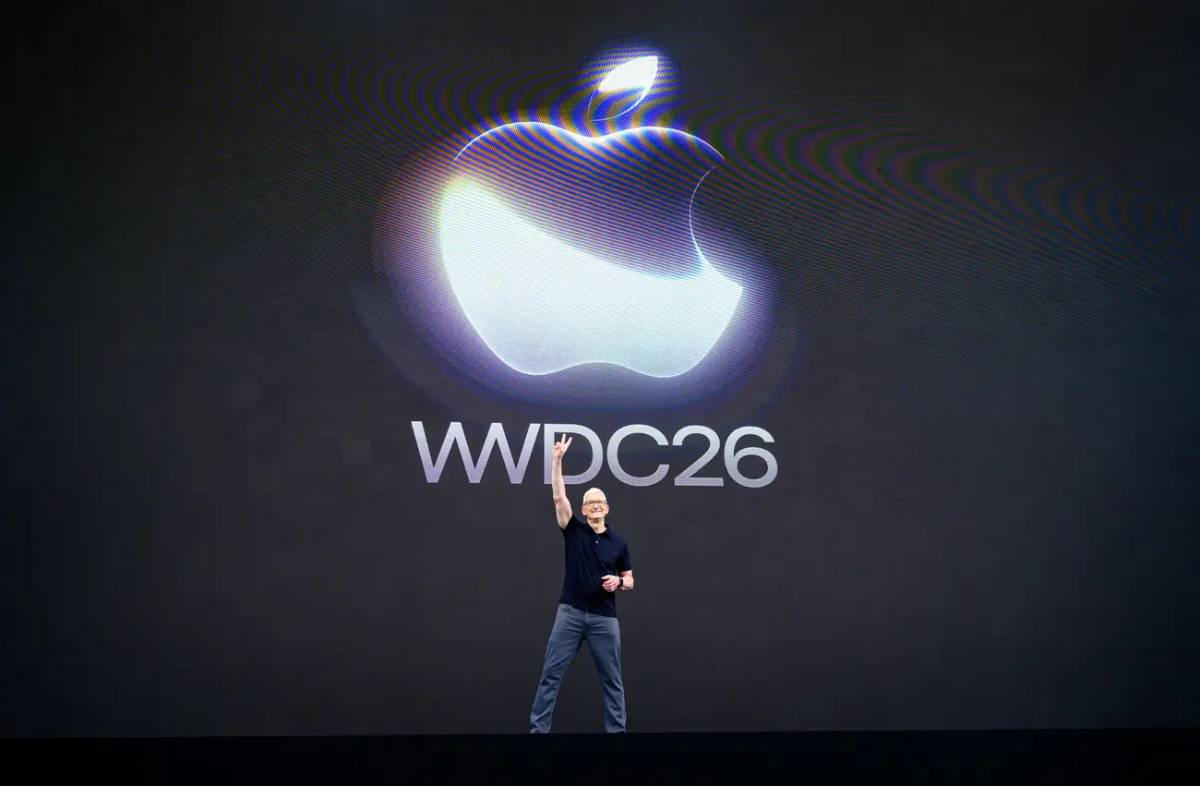
Image Source:  Business Insider

Apple’s latest artificial intelligence announcements have sparked extensive debate across the technology industry, with executives, investors, and analysts weighing the company’s strategic direction. The reactions underscore the growing importance of AI leadership in shaping competitive positioning, investor confidence, and the future of consumer technology ecosystems worldwide.

Following Apple’s latest developer conference, industry leaders and technology experts offered a range of reactions to the company’s expanded AI strategy. The announcements included updates to Siri, broader Apple Intelligence capabilities, developer tools, and deeper integration of AI across Apple’s software ecosystem.

Stakeholders include technology executives, software developers, enterprise customers, investors, and consumers evaluating the company’s competitiveness in the AI era. While some observers praised Apple’s focus on ecosystem integration and privacy, others questioned whether the company’s innovations matched the pace of advances being delivered by rival AI leaders. The discussion highlights growing scrutiny of how major technology firms are executing their AI roadmaps.

The reaction to Apple’s announcements reflects a broader industry shift in which artificial intelligence has become the defining competitive battleground among global technology companies. Over the past several years, leading firms have invested heavily in generative AI, large language models, cloud infrastructure, and intelligent software platforms.

Apple enters this race with significant advantages, including a vast installed device base, strong brand loyalty, and a tightly integrated hardware-software ecosystem. However, competitors have established strong positions in conversational AI, enterprise productivity tools, and cloud-based intelligence services.

The discussion surrounding Apple’s latest announcements illustrates how expectations have evolved. Investors and customers no longer view AI as a supplementary feature but as a core component of future digital experiences. As a result, every major product announcement is increasingly assessed through the lens of AI capability, scalability, and long-term strategic impact.

Technology analysts generally agree that Apple’s strategy differs from many competitors by emphasizing practical integration over headline-grabbing AI demonstrations. Supporters argue that embedding intelligence across everyday applications could ultimately drive stronger user adoption than standalone AI products.

Some industry leaders highlighted Apple’s continued focus on privacy and on-device processing as important differentiators in an environment where concerns around data security and AI governance continue to grow. Others expressed caution, suggesting that the company still faces pressure to demonstrate breakthroughs capable of matching the most advanced AI experiences available elsewhere in the market.

Market observers note that reactions from technology executives often provide an early indicator of industry sentiment. The mixed but generally constructive response suggests that Apple remains a major participant in the AI race, even as questions persist regarding the speed and scale of its innovation roadmap.

For businesses, Apple’s announcements reinforce the growing expectation that AI capabilities will become embedded across software, devices, and enterprise workflows. Companies building products within Apple’s ecosystem may need to adapt development strategies to take advantage of new AI features and integration opportunities.

Investors are likely to view industry reactions as a measure of Apple’s ability to maintain competitive relevance in the AI economy. Strong adoption could support ecosystem growth and long-term revenue opportunities.

From a policy perspective, Apple’s emphasis on privacy-centric AI may influence broader regulatory discussions around responsible deployment, transparency, and consumer protection. Policymakers will continue monitoring how leading technology firms balance innovation with accountability.

The coming months will determine whether Apple’s AI strategy translates into meaningful market momentum. Analysts will closely monitor user adoption, developer engagement, and competitive responses from rival technology firms. The key question remains whether Apple’s ecosystem-focused approach can deliver sustained differentiation in an increasingly crowded AI marketplace where innovation cycles are accelerating rapidly.

Source: Business Insider
Date:
9 June 2026

  • Featured tools
Kreateable AI
Free

Kreateable AI is a white-label, AI-driven design platform that enables logo generation, social media posts, ads, and more for businesses, agencies, and service providers.

#
Logo Generator
Learn more
Copy Ai
Free

Copy AI is one of the most popular AI writing tools designed to help professionals create high-quality content quickly. Whether you are a product manager drafting feature descriptions or a marketer creating ad copy, Copy AI can save hours of work while maintaining creativity and tone.

#
Copywriting
Learn more

Learn more about future of AI

Join 80,000+ Ai enthusiast getting weekly updates on exciting AI tools.
Thank you! Your submission has been received!
Oops! Something went wrong while submitting the form.

Apple AI Strategy Draws Mixed Reviews

June 9, 2026

Following Apple’s latest developer conference, industry leaders and technology experts offered a range of reactions to the company’s expanded AI strategy.

Image Source:  Business Insider

Apple’s latest artificial intelligence announcements have sparked extensive debate across the technology industry, with executives, investors, and analysts weighing the company’s strategic direction. The reactions underscore the growing importance of AI leadership in shaping competitive positioning, investor confidence, and the future of consumer technology ecosystems worldwide.

Following Apple’s latest developer conference, industry leaders and technology experts offered a range of reactions to the company’s expanded AI strategy. The announcements included updates to Siri, broader Apple Intelligence capabilities, developer tools, and deeper integration of AI across Apple’s software ecosystem.

Stakeholders include technology executives, software developers, enterprise customers, investors, and consumers evaluating the company’s competitiveness in the AI era. While some observers praised Apple’s focus on ecosystem integration and privacy, others questioned whether the company’s innovations matched the pace of advances being delivered by rival AI leaders. The discussion highlights growing scrutiny of how major technology firms are executing their AI roadmaps.

The reaction to Apple’s announcements reflects a broader industry shift in which artificial intelligence has become the defining competitive battleground among global technology companies. Over the past several years, leading firms have invested heavily in generative AI, large language models, cloud infrastructure, and intelligent software platforms.

Apple enters this race with significant advantages, including a vast installed device base, strong brand loyalty, and a tightly integrated hardware-software ecosystem. However, competitors have established strong positions in conversational AI, enterprise productivity tools, and cloud-based intelligence services.

The discussion surrounding Apple’s latest announcements illustrates how expectations have evolved. Investors and customers no longer view AI as a supplementary feature but as a core component of future digital experiences. As a result, every major product announcement is increasingly assessed through the lens of AI capability, scalability, and long-term strategic impact.

Technology analysts generally agree that Apple’s strategy differs from many competitors by emphasizing practical integration over headline-grabbing AI demonstrations. Supporters argue that embedding intelligence across everyday applications could ultimately drive stronger user adoption than standalone AI products.

Some industry leaders highlighted Apple’s continued focus on privacy and on-device processing as important differentiators in an environment where concerns around data security and AI governance continue to grow. Others expressed caution, suggesting that the company still faces pressure to demonstrate breakthroughs capable of matching the most advanced AI experiences available elsewhere in the market.

Market observers note that reactions from technology executives often provide an early indicator of industry sentiment. The mixed but generally constructive response suggests that Apple remains a major participant in the AI race, even as questions persist regarding the speed and scale of its innovation roadmap.

For businesses, Apple’s announcements reinforce the growing expectation that AI capabilities will become embedded across software, devices, and enterprise workflows. Companies building products within Apple’s ecosystem may need to adapt development strategies to take advantage of new AI features and integration opportunities.

Investors are likely to view industry reactions as a measure of Apple’s ability to maintain competitive relevance in the AI economy. Strong adoption could support ecosystem growth and long-term revenue opportunities.

From a policy perspective, Apple’s emphasis on privacy-centric AI may influence broader regulatory discussions around responsible deployment, transparency, and consumer protection. Policymakers will continue monitoring how leading technology firms balance innovation with accountability.

The coming months will determine whether Apple’s AI strategy translates into meaningful market momentum. Analysts will closely monitor user adoption, developer engagement, and competitive responses from rival technology firms. The key question remains whether Apple’s ecosystem-focused approach can deliver sustained differentiation in an increasingly crowded AI marketplace where innovation cycles are accelerating rapidly.

Source: Business Insider
Date:
9 June 2026

Promote Your Tool

Copy Embed Code

Similar Blogs

June 19, 2026
|

Apple iPhone Camera Controls Expand AI

The report outlines how users can modify or disable AI-assisted camera functions on Apple iPhone devices, particularly features that influence image processing and computational enhancements.
Read more
June 19, 2026
|

Samsung Expands Galaxy AI Controls Push

The guide details how users can adjust or disable AI-driven features on Samsung Galaxy smartphones, including tools integrated into Samsung Galaxy smartphones.
Read more
June 19, 2026
|

Google Expands Smart Home Ecosystem

The latest compilation of Google voice commands focuses on how users can interact with Google Assistant and connected smart home systems. Commands span entertainment, home automation, productivity, navigation.
Read more
June 19, 2026
|

AI Dating Apps Face User Backlash

Survey data indicates that while adoption of AI-based dating assistants and companion tools is increasing, user sentiment is becoming increasingly polarized.
Read more
June 19, 2026
|

Apple Signals Price Hikes Amid Cost Pressures

Apple CEO Tim Cook indicated that escalating costs tied to components such as memory, advanced processors, and logistics are becoming structurally embedded across the company’s manufacturing pipeline.
Read more
June 19, 2026
|

Adobe Embeds AI Assistants Across Tools

Adobe is positioning these assistants as task-oriented agents capable of handling repetitive editing workflows such as object removal.
Read more