



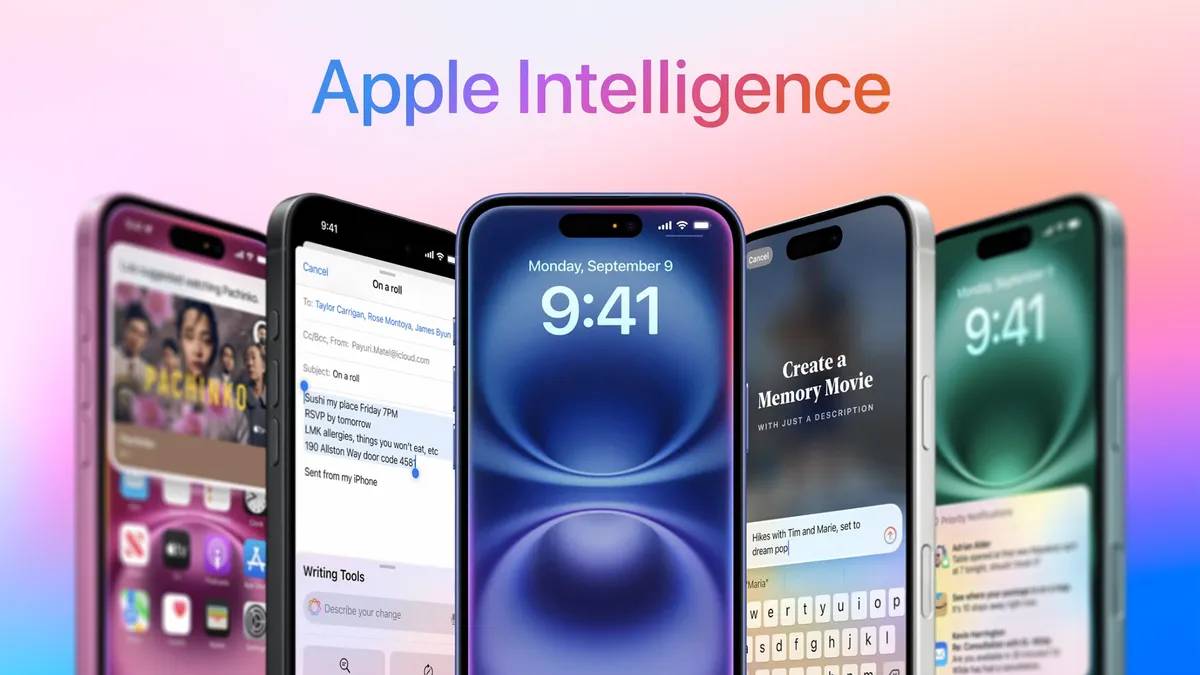
A major legal and financial development is unfolding around Apple following a $250 million settlement linked to AI-related iPhone functionality concerns. The ruling opens eligibility for affected users to claim compensation, highlighting growing regulatory scrutiny over consumer AI features and data usage practices in global smartphone ecosystems.
Apple has agreed to a $250 million settlement addressing claims tied to AI-driven iPhone functionalities and user impact concerns. Eligible users may now file claims within a defined submission window, subject to verification criteria outlined in the settlement framework.
The case centers on allegations involving how AI features interacted with device performance or user experience. While Apple has not admitted wrongdoing, the settlement reflects a legal compromise to resolve consumer claims efficiently. The development involves millions of potential iPhone users and underscores increasing legal exposure for technology firms integrating AI capabilities into consumer devices without fully transparent communication frameworks.
The settlement reflects a broader wave of legal and regulatory scrutiny targeting large technology firms deploying AI features in consumer-facing products. Apple has increasingly embedded AI into iOS ecosystems, ranging from predictive text to system optimization and voice-based services.
Globally, regulators are tightening oversight of how AI systems process user data, especially in mobile environments where consent and transparency can be difficult to enforce at scale. Similar class-action settlements have emerged across the tech industry, often centered on performance claims, data usage, or undisclosed system behaviors.
This case also highlights the growing intersection between AI deployment and consumer protection law. As AI becomes deeply integrated into smartphones, legal frameworks are evolving to address accountability, explainability, and user compensation mechanisms. Historically, such settlements have influenced product redesigns and stricter disclosure requirements across the consumer electronics sector.
Legal analysts suggest that the $250 million settlement represents a strategic decision by Apple to limit prolonged litigation risks and reputational damage. Experts note that even without admission of fault, such settlements often signal pressure points in product design transparency and user communication.
Consumer rights advocates argue that AI-driven features in smartphones often operate in opaque ways, making it difficult for users to understand how their data is processed or how system-level decisions are made. This increases the likelihood of class-action disputes.
While Apple has not issued detailed public commentary on the settlement terms beyond procedural disclosures, industry observers expect the company to refine its AI communication policies and user consent frameworks. Analysts also suggest that similar lawsuits could emerge across the industry as AI integration deepens in mobile operating systems and connected services.
For global technology companies, the settlement involving Apple underscores rising legal risks associated with AI-enabled consumer features. Firms may need to strengthen disclosure mechanisms and ensure clearer user consent pathways for AI-driven system functions.
Investors could interpret the settlement as a manageable financial impact but a warning signal regarding future regulatory exposure in AI-heavy product lines. For consumers, the case reinforces growing awareness of compensation rights in digital ecosystems.
Regulators may increasingly demand standardized transparency rules for AI functionality in consumer devices, particularly smartphones and wearables. This could reshape product design strategies across the broader tech industry.
The settlement process will now move toward claims administration and payout execution, while Apple is likely to face continued scrutiny over AI transparency practices. The key uncertainty lies in whether this case triggers broader regulatory action or additional lawsuits across the mobile ecosystem. Decision-makers will closely watch how AI feature disclosures evolve in upcoming iOS releases.
Source: CNET Report
Date: 8 June 2026


