
Apple AI Ambitions Face Critical Test

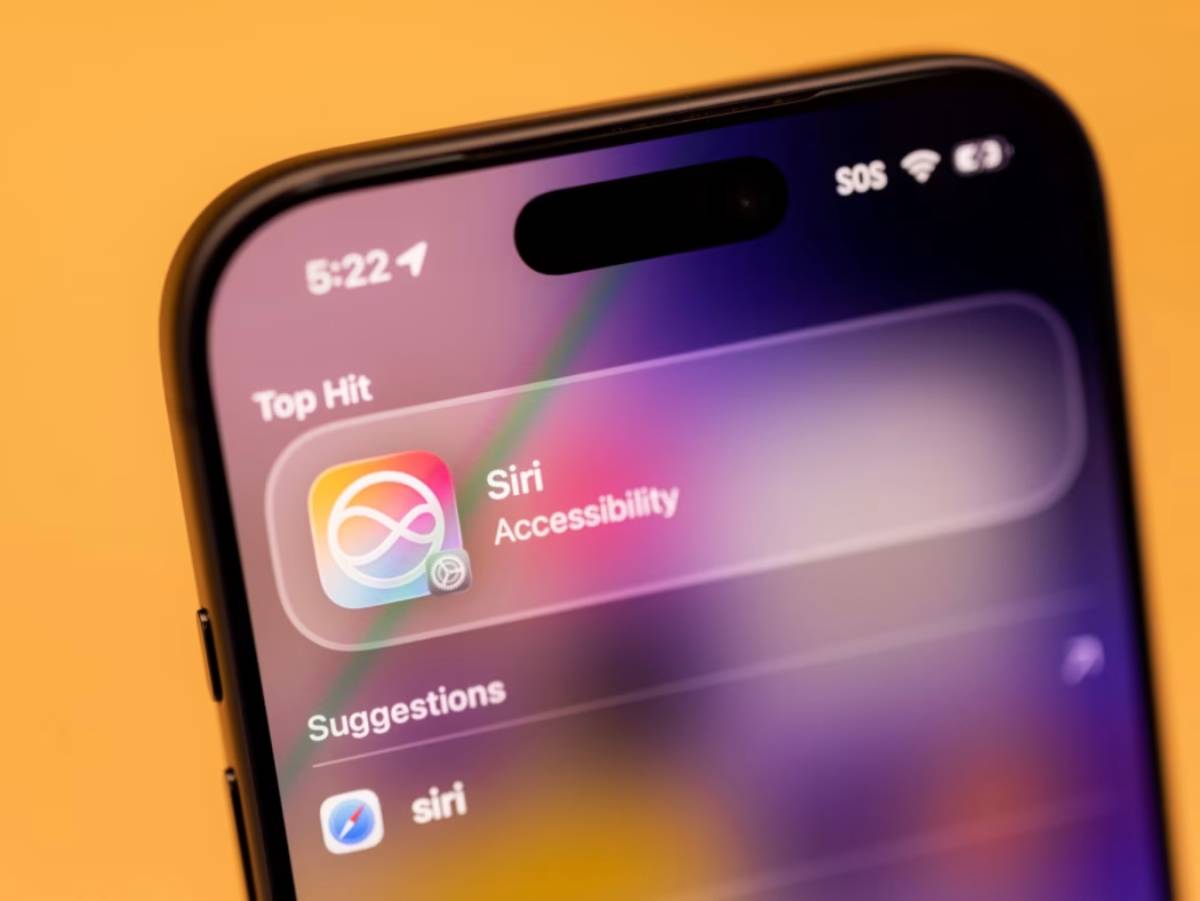
Apple is reportedly focusing on improving its internal chatbot and AI assistant systems as part of a broader push to strengthen its position in the artificial intelligence market.

July 29, 2026
|
Image Source:  Wall Street Journal

A significant strategic challenge has emerged for Apple as the company intensifies efforts to refine its artificial intelligence capabilities, particularly its much-criticized chatbot technology. The development highlights the high stakes in the global AI race, where even established technology giants face pressure to deliver competitive, reliable, and consumer-ready AI systems to maintain market leadership.

Apple is reportedly focusing on improving its internal chatbot and AI assistant systems as part of a broader push to strengthen its position in the artificial intelligence market. The company’s current AI offerings have faced criticism for lagging behind competitors in performance, functionality, and user experience.

The initiative is seen as central to Apple’s long-term AI strategy, which aims to integrate more advanced generative AI capabilities across its ecosystem of devices and services. The effort comes at a time when rivals in the technology sector are aggressively advancing their AI models and embedding them into cloud platforms, consumer applications, and enterprise tools. The outcome of this turnaround effort is expected to influence Apple’s competitive standing in the rapidly evolving AI landscape.

The development aligns with a broader trend across global markets where artificial intelligence has become the defining battleground for technology companies. Firms across the United States, China, and Europe are investing heavily in generative AI systems, large language models, and AI-driven user experiences.

Apple has historically taken a more cautious approach to emerging technologies, prioritizing product refinement and ecosystem integration over early market entry. However, the rapid acceleration of AI innovation has increased pressure on the company to demonstrate leadership in this space.

The chatbot performance gap has become increasingly significant as AI assistants evolve into core interfaces for search, productivity, and digital interaction. Competitors have integrated advanced AI capabilities into widely used platforms, raising consumer expectations. As a result, Apple’s ability to enhance its AI systems is closely tied to its broader strategy of maintaining premium user experience and ecosystem loyalty in a highly competitive global market.

Industry analysts suggest that Apple’s challenge lies not in developing AI capabilities alone, but in integrating them seamlessly into its tightly controlled ecosystem while maintaining privacy, reliability, and user trust. Experts argue that Apple’s strength has traditionally been hardware-software integration rather than rapid AI model deployment.

Some market observers believe that Apple’s measured approach could either become a competitive advantage or a strategic vulnerability, depending on how quickly it closes the gap with AI-first competitors. Technology analysts note that chatbot performance is increasingly shaping consumer perceptions of brand innovation and technical leadership.

Industry leaders broadly agree that AI assistants are becoming central to digital ecosystems, influencing everything from search behavior to productivity workflows. As a result, Apple’s efforts to improve its chatbot are viewed as critical to maintaining relevance in a market where AI capability is rapidly becoming a key differentiator.

For global executives, Apple’s AI development challenges underscore the importance of speed and execution in the AI race. Even dominant technology companies must continuously innovate to maintain competitiveness in rapidly evolving markets.

Investors are likely to closely monitor Apple’s AI progress, as improvements or setbacks could significantly impact sentiment around its long-term growth narrative. The company’s ability to successfully upgrade its AI capabilities may influence product cycles, service expansion, and ecosystem engagement.

For policymakers, the intensifying AI competition among major technology firms highlights ongoing concerns around market concentration, technological dominance, and data governance. As AI becomes more central to consumer technology, regulatory scrutiny of platform ecosystems may continue to increase.

Attention will now focus on Apple’s next-generation AI updates and how effectively the company integrates improved chatbot capabilities into its broader product ecosystem. Competitors are expected to continue rapid advancements, increasing pressure on Apple to demonstrate meaningful progress.

The outcome of this strategic push will play a key role in determining Apple’s position in the next phase of the global AI competition, where user experience, reliability, and ecosystem integration are likely to define market leadership.

Source: Wall Street Journal
Date:
June 2026

  • Featured tools
Neuron AI
Free

Neuron AI is an AI-driven content optimization platform that helps creators produce SEO-friendly content by combining semantic SEO, competitor analysis, and AI-assisted writing workflows.

#
SEO
Learn more
Surfer AI
Free

Surfer AI is an AI-powered content creation assistant built into the Surfer SEO platform, designed to generate SEO-optimized articles from prompts, leveraging data from search results to inform tone, structure, and relevance.

#
SEO
Learn more

Learn more about future of AI

Join 80,000+ Ai enthusiast getting weekly updates on exciting AI tools.
Thank you! Your submission has been received!
Oops! Something went wrong while submitting the form.

Apple AI Ambitions Face Critical Test

July 29, 2026

Apple is reportedly focusing on improving its internal chatbot and AI assistant systems as part of a broader push to strengthen its position in the artificial intelligence market.

Image Source:  Wall Street Journal

A significant strategic challenge has emerged for Apple as the company intensifies efforts to refine its artificial intelligence capabilities, particularly its much-criticized chatbot technology. The development highlights the high stakes in the global AI race, where even established technology giants face pressure to deliver competitive, reliable, and consumer-ready AI systems to maintain market leadership.

Apple is reportedly focusing on improving its internal chatbot and AI assistant systems as part of a broader push to strengthen its position in the artificial intelligence market. The company’s current AI offerings have faced criticism for lagging behind competitors in performance, functionality, and user experience.

The initiative is seen as central to Apple’s long-term AI strategy, which aims to integrate more advanced generative AI capabilities across its ecosystem of devices and services. The effort comes at a time when rivals in the technology sector are aggressively advancing their AI models and embedding them into cloud platforms, consumer applications, and enterprise tools. The outcome of this turnaround effort is expected to influence Apple’s competitive standing in the rapidly evolving AI landscape.

The development aligns with a broader trend across global markets where artificial intelligence has become the defining battleground for technology companies. Firms across the United States, China, and Europe are investing heavily in generative AI systems, large language models, and AI-driven user experiences.

Apple has historically taken a more cautious approach to emerging technologies, prioritizing product refinement and ecosystem integration over early market entry. However, the rapid acceleration of AI innovation has increased pressure on the company to demonstrate leadership in this space.

The chatbot performance gap has become increasingly significant as AI assistants evolve into core interfaces for search, productivity, and digital interaction. Competitors have integrated advanced AI capabilities into widely used platforms, raising consumer expectations. As a result, Apple’s ability to enhance its AI systems is closely tied to its broader strategy of maintaining premium user experience and ecosystem loyalty in a highly competitive global market.

Industry analysts suggest that Apple’s challenge lies not in developing AI capabilities alone, but in integrating them seamlessly into its tightly controlled ecosystem while maintaining privacy, reliability, and user trust. Experts argue that Apple’s strength has traditionally been hardware-software integration rather than rapid AI model deployment.

Some market observers believe that Apple’s measured approach could either become a competitive advantage or a strategic vulnerability, depending on how quickly it closes the gap with AI-first competitors. Technology analysts note that chatbot performance is increasingly shaping consumer perceptions of brand innovation and technical leadership.

Industry leaders broadly agree that AI assistants are becoming central to digital ecosystems, influencing everything from search behavior to productivity workflows. As a result, Apple’s efforts to improve its chatbot are viewed as critical to maintaining relevance in a market where AI capability is rapidly becoming a key differentiator.

For global executives, Apple’s AI development challenges underscore the importance of speed and execution in the AI race. Even dominant technology companies must continuously innovate to maintain competitiveness in rapidly evolving markets.

Investors are likely to closely monitor Apple’s AI progress, as improvements or setbacks could significantly impact sentiment around its long-term growth narrative. The company’s ability to successfully upgrade its AI capabilities may influence product cycles, service expansion, and ecosystem engagement.

For policymakers, the intensifying AI competition among major technology firms highlights ongoing concerns around market concentration, technological dominance, and data governance. As AI becomes more central to consumer technology, regulatory scrutiny of platform ecosystems may continue to increase.

Attention will now focus on Apple’s next-generation AI updates and how effectively the company integrates improved chatbot capabilities into its broader product ecosystem. Competitors are expected to continue rapid advancements, increasing pressure on Apple to demonstrate meaningful progress.

The outcome of this strategic push will play a key role in determining Apple’s position in the next phase of the global AI competition, where user experience, reliability, and ecosystem integration are likely to define market leadership.

Source: Wall Street Journal
Date:
June 2026

Promote Your Tool

Copy Embed Code

Similar Blogs

July 29, 2026
|

EmulationStation Enhances Retro Gaming Experience

EmulationStation is a front-end interface designed to organize and present video game emulation libraries through a streamlined user experience.
Read more
July 29, 2026
|

Tomoson Expands Influencer Marketing Collaboration

Tomoson operates as an influencer marketing platform designed to help brands collaborate with content creators and manage promotional campaigns.
Read more
July 29, 2026
|

ZeroBin.net Advances Secure Data Sharing

ZeroBin.net operates as a privacy-oriented platform that allows users to share encrypted information through temporary digital channels.
Read more
July 29, 2026
|

Gaia Expands Digital Knowledge Access

Gaia operates within the broader category of digital platforms focused on information discovery, organization, and knowledge accessibility.
Read more
July 29, 2026
|

MailDrop Expands Privacy Email Solutions

MailDrop operates as a temporary email service designed to help users create disposable email addresses for online registrations and digital interactions.
Read more
July 29, 2026
|

MacX YouTube Downloader Enhances Video Management

MacX YouTube Downloader is a multimedia software solution designed to support video downloading, conversion, and management from online platforms.
Read more