
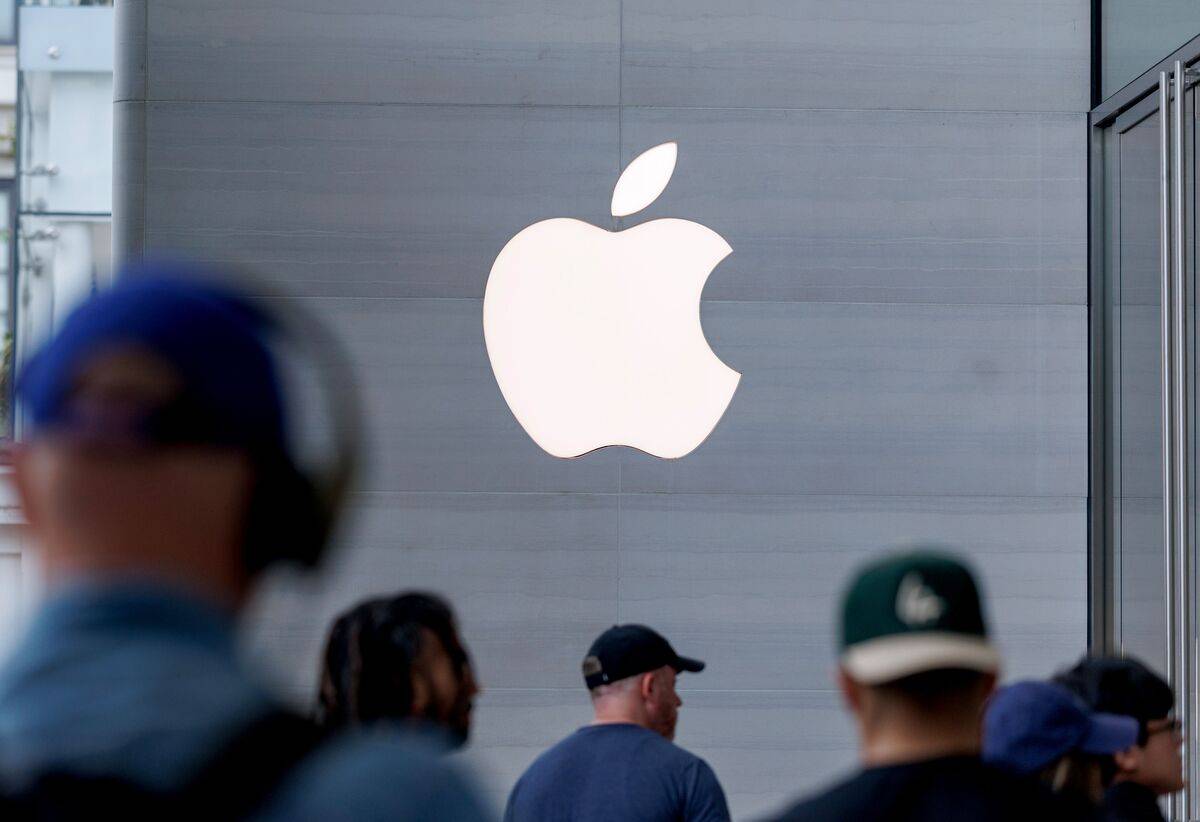
Apple Advances Camera AirPods AI Race

Reporting from Bloomberg indicates that Apple’s camera-enabled AirPods have entered advanced internal testing stages as part of the company’s broader AI device strategy.

May 8, 2026
|

A major expansion of wearable artificial intelligence technology is taking shape as Apple reportedly advances testing of camera-equipped AirPods designed to support next-generation AI capabilities. The development signals a broader industry push toward ambient computing, where intelligent wearable devices increasingly blend audio, vision, and real-time contextual awareness into everyday consumer experiences.

Reporting from Bloomberg indicates that Apple’s camera-enabled AirPods have entered advanced internal testing stages as part of the company’s broader AI device strategy. The reported initiative focuses on integrating camera technology into wearable audio devices, potentially enabling features tied to visual intelligence, environmental awareness, gesture recognition, and contextual AI interaction. The move reflects Apple’s efforts to strengthen its position in the emerging AI hardware ecosystem.

The testing phase suggests the company is exploring deeper integration between wearable devices and AI-powered services across its broader product ecosystem. Analysts view the development as part of Apple’s long-term strategy to expand beyond smartphones toward always-on, AI-assisted personal computing devices.

The project also highlights intensifying competition among major technology firms seeking to establish leadership in AI-enabled consumer hardware and spatial computing environments.

The development aligns with a broader transformation in the global consumer electronics market, where wearable devices are evolving from accessory products into intelligent computing platforms.

Over the past decade, wireless earbuds and wearable devices have shifted from simple audio hardware to multifunctional systems incorporating biometric sensors, voice assistants, and health-monitoring technologies. The next stage of this evolution increasingly centers on AI-driven contextual awareness powered by integrated sensors and real-time data processing.

Technology firms across the United States and Asia are investing heavily in AI-native hardware capable of blending audio, vision, and machine learning into seamless user experiences. This trend reflects the growing importance of ambient computing, where devices operate continuously in the background while interpreting user intent and surrounding environments.

The push toward AI wearables also intersects with broader efforts around augmented reality, spatial computing, and multimodal AI systems capable of processing voice, images, and behavioral data simultaneously.

Historically, Apple has often entered emerging hardware categories after foundational technologies mature sufficiently for mass-market integration. Analysts suggest the company’s reported testing phase reflects increasing confidence in the viability of AI-enhanced wearable ecosystems.

Technology analysts suggest that camera-enabled wearable devices could represent a significant shift in how users interact with artificial intelligence systems. Experts note that combining visual input with audio interfaces may allow AI assistants to better understand context, surroundings, and user behavior.

Industry observers highlight that wearable AI hardware is becoming a strategic battleground among major technology companies seeking to define the next computing platform beyond smartphones. Success in this category may depend on balancing convenience, privacy, battery efficiency, and seamless ecosystem integration.

Consumer technology specialists caution that privacy concerns will likely become a central issue as wearable devices gain expanded visual sensing capabilities. Regulators and consumers are expected to closely scrutinize how companies collect, process, and secure environmental data captured by AI-enabled wearables.

Market analysts also emphasize that Apple’s strength lies in integrating hardware, software, and services into unified ecosystems. If successful, AI-enhanced AirPods could reinforce customer retention and deepen integration across Apple’s broader platform strategy.

For businesses, the development signals growing commercial momentum behind AI-native wearable ecosystems, potentially creating opportunities across semiconductor manufacturing, edge computing, sensor technology, and AI software services.

Investors may view advanced wearable AI devices as a key growth segment within the broader consumer electronics and artificial intelligence markets, especially as hardware innovation increasingly shifts toward multimodal interaction systems.

For policymakers and regulators, the rise of camera-enabled wearables raises questions around biometric privacy, surveillance concerns, consent frameworks, and data governance standards for always-on consumer devices.

Consumers could benefit from more intuitive AI assistance and immersive experiences, though adoption may depend heavily on public trust regarding privacy protections and responsible data use.

Attention will now focus on whether Apple formally unveils the device, how it differentiates the product from existing wearables, and how regulators respond to increasingly sensor-rich AI hardware. Questions around battery performance, privacy safeguards, and real-world usability remain central.

For global technology leaders, the message is becoming increasingly clear: the future of artificial intelligence may be worn, heard, and constantly aware of the world around its users.

Source: Bloomberg
Date: May 7, 2026

  • Featured tools
Symphony Ayasdi AI
Free

SymphonyAI Sensa is an AI-powered surveillance and financial crime detection platform that surfaces hidden risk behavior through explainable, AI-driven analytics.

#
Finance
Learn more
Neuron AI
Free

Neuron AI is an AI-driven content optimization platform that helps creators produce SEO-friendly content by combining semantic SEO, competitor analysis, and AI-assisted writing workflows.

#
SEO
Learn more

Learn more about future of AI

Join 80,000+ Ai enthusiast getting weekly updates on exciting AI tools.
Thank you! Your submission has been received!
Oops! Something went wrong while submitting the form.

Apple Advances Camera AirPods AI Race

May 8, 2026

Reporting from Bloomberg indicates that Apple’s camera-enabled AirPods have entered advanced internal testing stages as part of the company’s broader AI device strategy.

A major expansion of wearable artificial intelligence technology is taking shape as Apple reportedly advances testing of camera-equipped AirPods designed to support next-generation AI capabilities. The development signals a broader industry push toward ambient computing, where intelligent wearable devices increasingly blend audio, vision, and real-time contextual awareness into everyday consumer experiences.

Reporting from Bloomberg indicates that Apple’s camera-enabled AirPods have entered advanced internal testing stages as part of the company’s broader AI device strategy. The reported initiative focuses on integrating camera technology into wearable audio devices, potentially enabling features tied to visual intelligence, environmental awareness, gesture recognition, and contextual AI interaction. The move reflects Apple’s efforts to strengthen its position in the emerging AI hardware ecosystem.

The testing phase suggests the company is exploring deeper integration between wearable devices and AI-powered services across its broader product ecosystem. Analysts view the development as part of Apple’s long-term strategy to expand beyond smartphones toward always-on, AI-assisted personal computing devices.

The project also highlights intensifying competition among major technology firms seeking to establish leadership in AI-enabled consumer hardware and spatial computing environments.

The development aligns with a broader transformation in the global consumer electronics market, where wearable devices are evolving from accessory products into intelligent computing platforms.

Over the past decade, wireless earbuds and wearable devices have shifted from simple audio hardware to multifunctional systems incorporating biometric sensors, voice assistants, and health-monitoring technologies. The next stage of this evolution increasingly centers on AI-driven contextual awareness powered by integrated sensors and real-time data processing.

Technology firms across the United States and Asia are investing heavily in AI-native hardware capable of blending audio, vision, and machine learning into seamless user experiences. This trend reflects the growing importance of ambient computing, where devices operate continuously in the background while interpreting user intent and surrounding environments.

The push toward AI wearables also intersects with broader efforts around augmented reality, spatial computing, and multimodal AI systems capable of processing voice, images, and behavioral data simultaneously.

Historically, Apple has often entered emerging hardware categories after foundational technologies mature sufficiently for mass-market integration. Analysts suggest the company’s reported testing phase reflects increasing confidence in the viability of AI-enhanced wearable ecosystems.

Technology analysts suggest that camera-enabled wearable devices could represent a significant shift in how users interact with artificial intelligence systems. Experts note that combining visual input with audio interfaces may allow AI assistants to better understand context, surroundings, and user behavior.

Industry observers highlight that wearable AI hardware is becoming a strategic battleground among major technology companies seeking to define the next computing platform beyond smartphones. Success in this category may depend on balancing convenience, privacy, battery efficiency, and seamless ecosystem integration.

Consumer technology specialists caution that privacy concerns will likely become a central issue as wearable devices gain expanded visual sensing capabilities. Regulators and consumers are expected to closely scrutinize how companies collect, process, and secure environmental data captured by AI-enabled wearables.

Market analysts also emphasize that Apple’s strength lies in integrating hardware, software, and services into unified ecosystems. If successful, AI-enhanced AirPods could reinforce customer retention and deepen integration across Apple’s broader platform strategy.

For businesses, the development signals growing commercial momentum behind AI-native wearable ecosystems, potentially creating opportunities across semiconductor manufacturing, edge computing, sensor technology, and AI software services.

Investors may view advanced wearable AI devices as a key growth segment within the broader consumer electronics and artificial intelligence markets, especially as hardware innovation increasingly shifts toward multimodal interaction systems.

For policymakers and regulators, the rise of camera-enabled wearables raises questions around biometric privacy, surveillance concerns, consent frameworks, and data governance standards for always-on consumer devices.

Consumers could benefit from more intuitive AI assistance and immersive experiences, though adoption may depend heavily on public trust regarding privacy protections and responsible data use.

Attention will now focus on whether Apple formally unveils the device, how it differentiates the product from existing wearables, and how regulators respond to increasingly sensor-rich AI hardware. Questions around battery performance, privacy safeguards, and real-world usability remain central.

For global technology leaders, the message is becoming increasingly clear: the future of artificial intelligence may be worn, heard, and constantly aware of the world around its users.

Source: Bloomberg
Date: May 7, 2026

Promote Your Tool

Copy Embed Code

Similar Blogs

June 24, 2026
|

AI Driven Hiring Transformation Advances

Daniel Stoica has positioned himself at the forefront of efforts to modernize recruitment by addressing structural problems that have long affected employers and job seekers alike.
Read more
June 24, 2026
|

Luxembourg Strengthens Space Innovation Ambitions

The 2026 Asteroid Day Festival is scheduled to return to Luxembourg with a program designed to engage both industry professionals and the public.
Read more
June 24, 2026
|

Luxembourg Tech Ecosystem Gains Momentum

The release of Silicon Luxembourg Magazine’s Summer 2026 edition provides a comprehensive snapshot of the country’s evolving technology ecosystem.
Read more
June 24, 2026
|

Europe Boosts Startup Growth Ambitions

Fit 4 Start has officially opened applications for its 17th cohort, inviting startups operating in areas such as artificial intelligence, digital technologies, health technology, sustainability, and deep-tech innovation.
Read more
June 24, 2026
|

Europe Accelerates Deep Tech Commercialisation

The DeepTech Ventures Summit 2026 brought together stakeholders from across Europe’s technology ecosystem to examine how deep-tech innovations can move more efficiently from research environments into scalable businesses.
Read more
June 24, 2026
|

Astronaut Highlights Spacewalk Innovation Growth

As part of Asteroid Day 2026 activities, veteran astronaut Mike Foreman discussed the realities of conducting spacewalks and the evolving demands of human operations beyond Earth.
Read more