
Alibaba Powers Taobao With Agentic AI

Alibaba Group is preparing to integrate its Qwen large language model into Taobao, one of China’s largest e-commerce platforms.

May 11, 2026
|
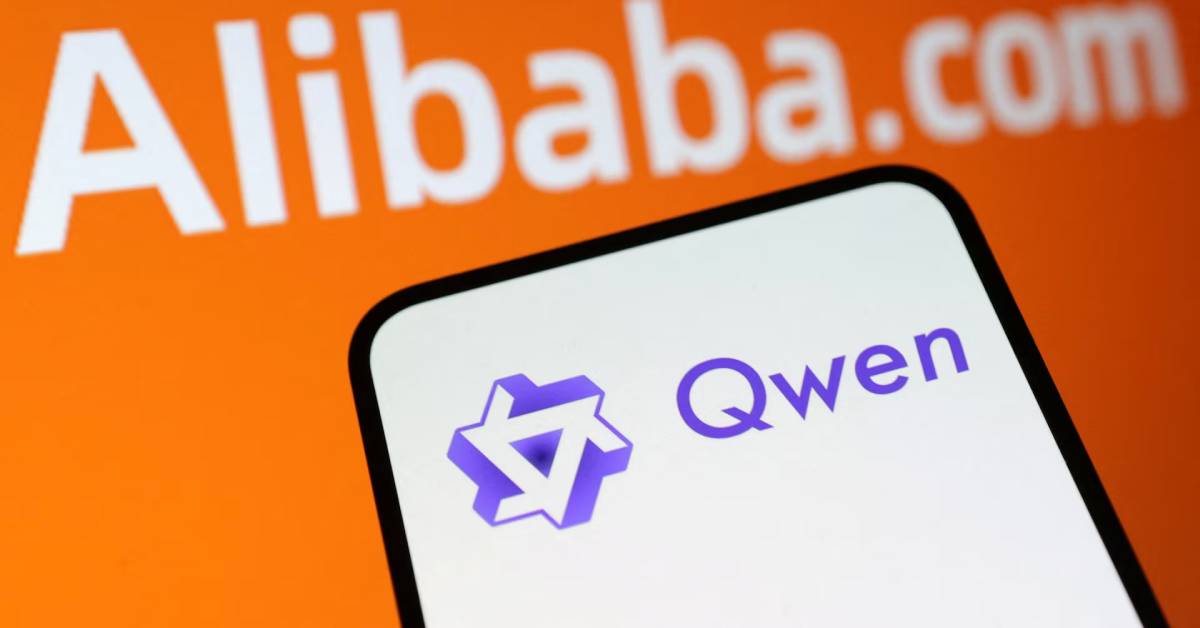
Image Source: Reuters

A major transformation in digital commerce is taking shape as Alibaba Group reportedly plans to integrate its Qwen AI model into Taobao, enabling agentic shopping capabilities. The move signals a strategic shift toward autonomous AI-driven retail experiences with implications for global e-commerce competition, consumer behavior, and platform monetization models.

According to reports, Alibaba Group is preparing to integrate its Qwen large language model into Taobao, one of China’s largest e-commerce platforms. The initiative is expected to introduce “agentic shopping” features, allowing AI systems to autonomously assist users with product discovery, recommendations, comparisons, and purchasing decisions.

The integration reflects Alibaba’s broader push to embed generative AI across its digital ecosystem. Industry observers view the move as part of an intensifying AI race among global technology and e-commerce giants seeking to redefine online retail experiences through automation and intelligent personalization.

The development aligns with a broader transformation in global e-commerce, where AI is increasingly moving beyond recommendation engines into autonomous consumer interaction models. Agentic AI systems differ from traditional assistants by actively performing tasks and making contextual decisions on behalf of users.

China’s technology sector has rapidly accelerated investment in generative AI following the emergence of advanced large language models in the United States. Companies including Alibaba, Baidu, and Tencent are competing to establish dominant AI ecosystems integrated into commerce, cloud computing, and enterprise services.

Historically, Taobao revolutionized digital retail through marketplace scalability and mobile commerce integration. The addition of Qwen AI signals the next phase of platform evolution, where AI agents may become intermediaries between consumers and digital marketplaces, fundamentally altering how online shopping decisions are made.

Technology analysts suggest that Alibaba’s integration of Qwen AI into Taobao could reshape the economics of e-commerce engagement by significantly reducing friction in the purchasing journey. Experts note that agentic shopping systems may improve conversion rates, personalization accuracy, and user retention through autonomous decision support.

Industry observers also highlight that the move intensifies competitive pressure on global retail and technology firms developing AI-native commerce experiences. Companies such as Amazon and other international platforms are increasingly experimenting with generative AI shopping assistants, but fully agentic retail systems remain at an early stage.

Some analysts caution that widespread deployment of autonomous shopping agents raises concerns related to transparency, algorithmic influence on consumer behavior, and platform accountability for AI-generated purchasing decisions.

For retailers and e-commerce platforms, the shift toward agentic AI could fundamentally redefine customer engagement strategies, marketing models, and product discovery mechanisms. Businesses may need to optimize digital storefronts for AI-driven interactions rather than traditional search-based browsing.

For investors, the move reinforces expectations that AI will become a core revenue and engagement driver across digital commerce ecosystems. Companies with scalable AI infrastructure may gain substantial competitive advantages.

For regulators, autonomous commerce systems may trigger new scrutiny around consumer protection, recommendation transparency, data usage, and algorithmic accountability in digital marketplaces.

Alibaba’s next phase will likely focus on scaling Qwen-powered shopping capabilities across broader commerce and payment ecosystems. Market participants will watch adoption rates, consumer trust levels, and monetization outcomes closely. The broader uncertainty centers on whether agentic shopping becomes a mainstream consumer behavior shift or remains a premium AI-enhanced retail feature limited to select digital ecosystems.

Source: Reuters
Date: May 2026

  • Featured tools
Kreateable AI
Free

Kreateable AI is a white-label, AI-driven design platform that enables logo generation, social media posts, ads, and more for businesses, agencies, and service providers.

#
Logo Generator
Learn more
Neuron AI
Free

Neuron AI is an AI-driven content optimization platform that helps creators produce SEO-friendly content by combining semantic SEO, competitor analysis, and AI-assisted writing workflows.

#
SEO
Learn more

Learn more about future of AI

Join 80,000+ Ai enthusiast getting weekly updates on exciting AI tools.
Thank you! Your submission has been received!
Oops! Something went wrong while submitting the form.

Alibaba Powers Taobao With Agentic AI

May 11, 2026

Alibaba Group is preparing to integrate its Qwen large language model into Taobao, one of China’s largest e-commerce platforms.

Image Source: Reuters

A major transformation in digital commerce is taking shape as Alibaba Group reportedly plans to integrate its Qwen AI model into Taobao, enabling agentic shopping capabilities. The move signals a strategic shift toward autonomous AI-driven retail experiences with implications for global e-commerce competition, consumer behavior, and platform monetization models.

According to reports, Alibaba Group is preparing to integrate its Qwen large language model into Taobao, one of China’s largest e-commerce platforms. The initiative is expected to introduce “agentic shopping” features, allowing AI systems to autonomously assist users with product discovery, recommendations, comparisons, and purchasing decisions.

The integration reflects Alibaba’s broader push to embed generative AI across its digital ecosystem. Industry observers view the move as part of an intensifying AI race among global technology and e-commerce giants seeking to redefine online retail experiences through automation and intelligent personalization.

The development aligns with a broader transformation in global e-commerce, where AI is increasingly moving beyond recommendation engines into autonomous consumer interaction models. Agentic AI systems differ from traditional assistants by actively performing tasks and making contextual decisions on behalf of users.

China’s technology sector has rapidly accelerated investment in generative AI following the emergence of advanced large language models in the United States. Companies including Alibaba, Baidu, and Tencent are competing to establish dominant AI ecosystems integrated into commerce, cloud computing, and enterprise services.

Historically, Taobao revolutionized digital retail through marketplace scalability and mobile commerce integration. The addition of Qwen AI signals the next phase of platform evolution, where AI agents may become intermediaries between consumers and digital marketplaces, fundamentally altering how online shopping decisions are made.

Technology analysts suggest that Alibaba’s integration of Qwen AI into Taobao could reshape the economics of e-commerce engagement by significantly reducing friction in the purchasing journey. Experts note that agentic shopping systems may improve conversion rates, personalization accuracy, and user retention through autonomous decision support.

Industry observers also highlight that the move intensifies competitive pressure on global retail and technology firms developing AI-native commerce experiences. Companies such as Amazon and other international platforms are increasingly experimenting with generative AI shopping assistants, but fully agentic retail systems remain at an early stage.

Some analysts caution that widespread deployment of autonomous shopping agents raises concerns related to transparency, algorithmic influence on consumer behavior, and platform accountability for AI-generated purchasing decisions.

For retailers and e-commerce platforms, the shift toward agentic AI could fundamentally redefine customer engagement strategies, marketing models, and product discovery mechanisms. Businesses may need to optimize digital storefronts for AI-driven interactions rather than traditional search-based browsing.

For investors, the move reinforces expectations that AI will become a core revenue and engagement driver across digital commerce ecosystems. Companies with scalable AI infrastructure may gain substantial competitive advantages.

For regulators, autonomous commerce systems may trigger new scrutiny around consumer protection, recommendation transparency, data usage, and algorithmic accountability in digital marketplaces.

Alibaba’s next phase will likely focus on scaling Qwen-powered shopping capabilities across broader commerce and payment ecosystems. Market participants will watch adoption rates, consumer trust levels, and monetization outcomes closely. The broader uncertainty centers on whether agentic shopping becomes a mainstream consumer behavior shift or remains a premium AI-enhanced retail feature limited to select digital ecosystems.

Source: Reuters
Date: May 2026

Promote Your Tool

Copy Embed Code

Similar Blogs

June 23, 2026
|

Sokin Secures European Payments License

Sokin has acquired Norwegian fintech firm Settle in a transaction that provides access to a valuable Electronic Money Institution (EMI) license.
Read more
June 23, 2026
|

Twin Prime Bets Defence AI

Twin Prime has secured $10 million in fresh funding to expand its defence-focused AI systems, which prioritize sensor fusion, detection, and real-time environmental interpretation over generative or chatbot-based models.
Read more
June 23, 2026
|

Northzone Backs Physical AI Shift

Northzone has appointed a new partner to lead its physical AI investment strategy, marking a deliberate shift toward embodied intelligence—systems that interact directly with physical environments.
Read more
June 23, 2026
|

Switzerland Hosts Iran US Technical Talks

The upcoming technical-level discussions between Iranian and US representatives will focus on procedural and issue-specific frameworks rather than high-level political agreements.
Read more
June 23, 2026
|

Switzerland Extends Ukrainian Protection Status

Swiss federal authorities are reviewing the possibility of extending S protection status, which grants temporary residence rights and access to essential services for Ukrainian nationals fleeing the war.
Read more
June 23, 2026
|

Swiss FM Engages Iran Diplomacy

Swiss Foreign Minister Ignazio Cassis held formal discussions with Iran’s foreign minister, focusing on bilateral relations and broader regional security dynamics.
Read more