
AI Rally Lifts Wall Street Confidence

Wall Street indices closed modestly higher as technology and semiconductor stocks extended gains fueled by continued demand for AI infrastructure, cloud computing, and advanced chip development.

May 12, 2026
|
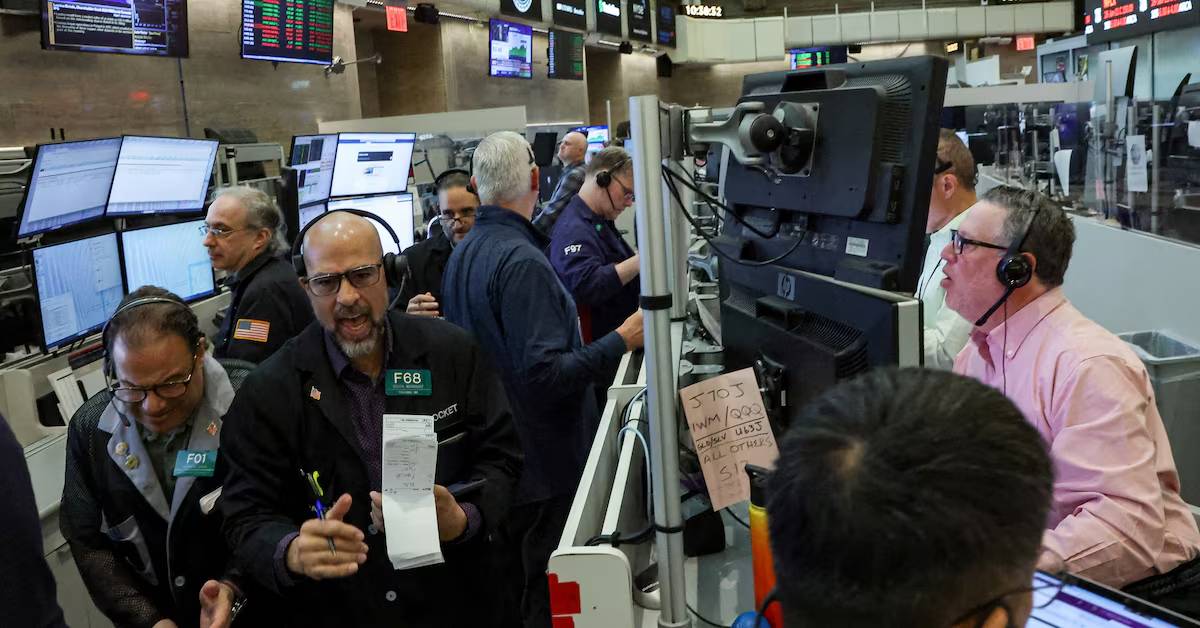
Image Source: Reuters

U.S. equity markets edged higher as investor enthusiasm surrounding artificial intelligence and technology stocks helped counter growing geopolitical concerns tied to stalled negotiations involving Iran. The market movement highlights how AI-driven optimism continues to shape capital flows, corporate valuations, and broader investor sentiment despite persistent global economic and diplomatic uncertainty.

Wall Street indices closed modestly higher as technology and semiconductor stocks extended gains fueled by continued demand for AI infrastructure, cloud computing, and advanced chip development.

Investor attention remained concentrated on major AI-linked companies benefiting from strong enterprise spending and data center expansion. At the same time, geopolitical uncertainty surrounding Iran and broader Middle East tensions weighed on energy markets and investor risk calculations.

Market participants also monitored expectations around interest rate policy, inflation trends, and global growth conditions. Analysts noted that AI-related momentum continues to support valuations across the technology sector even as geopolitical instability introduces volatility into commodities and international trade expectations.

The session reflected the growing influence of AI investment narratives on broader market direction and institutional capital allocation. The development aligns with a broader trend across global markets where artificial intelligence has become one of the dominant drivers of equity performance, particularly across U.S. technology sectors. Since the emergence of generative AI platforms and accelerated enterprise adoption, investors have increasingly shifted capital toward companies tied to semiconductors, cloud infrastructure, software automation, and data center expansion.

The AI investment cycle has significantly influenced stock market leadership over the past several years, helping propel valuations among major technology firms despite elevated interest rates and slowing global economic growth. Companies involved in advanced chip manufacturing, enterprise AI tools, and hyperscale cloud services have emerged as central beneficiaries of this transformation.

At the same time, geopolitical risks remain a persistent concern for global markets. Tensions involving Iran continue to influence oil prices, shipping routes, and broader energy security calculations. Investors are balancing optimism around AI-led productivity gains against uncertainty tied to inflation, regional instability, and global monetary policy tightening.

Historically, periods of technological enthusiasm have often coincided with heightened geopolitical risk. Analysts suggest the current market environment reflects a similar dynamic, where transformative innovation is partially offsetting broader macroeconomic and diplomatic concerns.

Market strategists argue that AI has evolved from a speculative theme into a core investment narrative shaping institutional portfolio decisions. Analysts suggest the technology sector’s resilience reflects expectations that AI-driven productivity gains could support long-term earnings growth across industries.

Investment firms and asset managers continue to highlight semiconductors, cloud computing providers, and enterprise software companies as central beneficiaries of sustained AI demand. Many observers believe capital expenditure on AI infrastructure could remain elevated for years as corporations modernize digital operations.

At the same time, geopolitical analysts warn that unresolved tensions involving Iran and broader regional instability could create renewed volatility in energy markets and supply chains. Rising oil prices or disruptions to trade routes could complicate inflation management efforts for central banks globally.

Economists also caution that elevated valuations within AI-linked equities may eventually face pressure if earnings growth fails to match investor expectations. Some market observers are increasingly debating whether portions of the AI rally reflect long-term structural change or excessive speculative positioning.

Nevertheless, institutional sentiment remains broadly supportive of technology-led growth as enterprises continue accelerating AI adoption across business operations. For global executives, the market reaction underscores how AI investment is increasingly influencing capital allocation, corporate strategy, and competitive positioning. Businesses across industries may face mounting pressure to demonstrate credible AI integration plans to maintain investor confidence.

Technology firms are likely to continue prioritizing spending on chips, cloud infrastructure, automation tools, and advanced computing systems. Investors, meanwhile, may intensify scrutiny of companies unable to clearly articulate AI-driven growth strategies.

Governments and policymakers must simultaneously manage geopolitical risks and technological transformation. Rising geopolitical tensions could impact energy prices, trade stability, and inflation management, while AI expansion continues to reshape labor markets and industrial policy priorities.

Analysts warn that excessive concentration of market gains within a limited group of AI-linked firms may also raise concerns about systemic financial risk and market imbalance. Investors are expected to closely monitor upcoming earnings reports, central bank signals, and geopolitical developments for indications about the durability of the current AI-driven market rally. Technology infrastructure spending and enterprise AI adoption trends will remain central indicators for market direction.

At the same time, unresolved geopolitical tensions and macroeconomic uncertainty could introduce periodic volatility despite strong enthusiasm around artificial intelligence. The balance between innovation optimism and global risk management is likely to define market sentiment in the months ahead.

Source: Reuters
Date: May 12, 2026

  • Featured tools
Ai Fiesta
Paid

AI Fiesta is an all-in-one productivity platform that gives users access to multiple leading AI models through a single interface. It includes features like prompt enhancement, image generation, audio transcription and side-by-side model comparison.

#
Copywriting
#
Art Generator
Learn more
Tome AI
Free

Tome AI is an AI-powered storytelling and presentation tool designed to help users create compelling narratives and presentations quickly and efficiently. It leverages advanced AI technologies to generate content, images, and animations based on user input.

#
Presentation
#
Startup Tools
Learn more

Learn more about future of AI

Join 80,000+ Ai enthusiast getting weekly updates on exciting AI tools.
Thank you! Your submission has been received!
Oops! Something went wrong while submitting the form.

AI Rally Lifts Wall Street Confidence

May 12, 2026

Wall Street indices closed modestly higher as technology and semiconductor stocks extended gains fueled by continued demand for AI infrastructure, cloud computing, and advanced chip development.

Image Source: Reuters

U.S. equity markets edged higher as investor enthusiasm surrounding artificial intelligence and technology stocks helped counter growing geopolitical concerns tied to stalled negotiations involving Iran. The market movement highlights how AI-driven optimism continues to shape capital flows, corporate valuations, and broader investor sentiment despite persistent global economic and diplomatic uncertainty.

Wall Street indices closed modestly higher as technology and semiconductor stocks extended gains fueled by continued demand for AI infrastructure, cloud computing, and advanced chip development.

Investor attention remained concentrated on major AI-linked companies benefiting from strong enterprise spending and data center expansion. At the same time, geopolitical uncertainty surrounding Iran and broader Middle East tensions weighed on energy markets and investor risk calculations.

Market participants also monitored expectations around interest rate policy, inflation trends, and global growth conditions. Analysts noted that AI-related momentum continues to support valuations across the technology sector even as geopolitical instability introduces volatility into commodities and international trade expectations.

The session reflected the growing influence of AI investment narratives on broader market direction and institutional capital allocation. The development aligns with a broader trend across global markets where artificial intelligence has become one of the dominant drivers of equity performance, particularly across U.S. technology sectors. Since the emergence of generative AI platforms and accelerated enterprise adoption, investors have increasingly shifted capital toward companies tied to semiconductors, cloud infrastructure, software automation, and data center expansion.

The AI investment cycle has significantly influenced stock market leadership over the past several years, helping propel valuations among major technology firms despite elevated interest rates and slowing global economic growth. Companies involved in advanced chip manufacturing, enterprise AI tools, and hyperscale cloud services have emerged as central beneficiaries of this transformation.

At the same time, geopolitical risks remain a persistent concern for global markets. Tensions involving Iran continue to influence oil prices, shipping routes, and broader energy security calculations. Investors are balancing optimism around AI-led productivity gains against uncertainty tied to inflation, regional instability, and global monetary policy tightening.

Historically, periods of technological enthusiasm have often coincided with heightened geopolitical risk. Analysts suggest the current market environment reflects a similar dynamic, where transformative innovation is partially offsetting broader macroeconomic and diplomatic concerns.

Market strategists argue that AI has evolved from a speculative theme into a core investment narrative shaping institutional portfolio decisions. Analysts suggest the technology sector’s resilience reflects expectations that AI-driven productivity gains could support long-term earnings growth across industries.

Investment firms and asset managers continue to highlight semiconductors, cloud computing providers, and enterprise software companies as central beneficiaries of sustained AI demand. Many observers believe capital expenditure on AI infrastructure could remain elevated for years as corporations modernize digital operations.

At the same time, geopolitical analysts warn that unresolved tensions involving Iran and broader regional instability could create renewed volatility in energy markets and supply chains. Rising oil prices or disruptions to trade routes could complicate inflation management efforts for central banks globally.

Economists also caution that elevated valuations within AI-linked equities may eventually face pressure if earnings growth fails to match investor expectations. Some market observers are increasingly debating whether portions of the AI rally reflect long-term structural change or excessive speculative positioning.

Nevertheless, institutional sentiment remains broadly supportive of technology-led growth as enterprises continue accelerating AI adoption across business operations. For global executives, the market reaction underscores how AI investment is increasingly influencing capital allocation, corporate strategy, and competitive positioning. Businesses across industries may face mounting pressure to demonstrate credible AI integration plans to maintain investor confidence.

Technology firms are likely to continue prioritizing spending on chips, cloud infrastructure, automation tools, and advanced computing systems. Investors, meanwhile, may intensify scrutiny of companies unable to clearly articulate AI-driven growth strategies.

Governments and policymakers must simultaneously manage geopolitical risks and technological transformation. Rising geopolitical tensions could impact energy prices, trade stability, and inflation management, while AI expansion continues to reshape labor markets and industrial policy priorities.

Analysts warn that excessive concentration of market gains within a limited group of AI-linked firms may also raise concerns about systemic financial risk and market imbalance. Investors are expected to closely monitor upcoming earnings reports, central bank signals, and geopolitical developments for indications about the durability of the current AI-driven market rally. Technology infrastructure spending and enterprise AI adoption trends will remain central indicators for market direction.

At the same time, unresolved geopolitical tensions and macroeconomic uncertainty could introduce periodic volatility despite strong enthusiasm around artificial intelligence. The balance between innovation optimism and global risk management is likely to define market sentiment in the months ahead.

Source: Reuters
Date: May 12, 2026

Promote Your Tool

Copy Embed Code

Similar Blogs

May 12, 2026
|

OpenAI Launches AI Safety Framework Strategy

OpenAI has unveiled a new AI system focused on strengthening model safety, alignment, and interpretability, positioning it as a response to competing frameworks such as Anthropic’s Claude ecosystem.
Read more
May 12, 2026
|

Murati AI Venture Signals New Phase

Mira Murati’s AI company is reportedly focusing on building advanced interaction models designed to improve how humans collaborate with artificial intelligence systems.
Read more
May 12, 2026
|

Venmo Tightens Privacy Controls Amid Scrutiny

The redesigned Venmo app introduces enhanced privacy settings that reduce the default visibility of user transactions and social feeds. Users will have more control over who can view payment histories.
Read more
May 12, 2026
|

AI Personalizes Digital Camping Planning

AI-driven planning tools are now being used to help users design customized camping experiences based on personal preferences such as scenery, difficulty level, amenities, and activities.
Read more
May 12, 2026
|

Whoop Adds AI Doctor Wellness Layer

Whoop’s latest update introduces features that allow users to connect directly with medical professionals through its platform, alongside enhanced AI tools for health analysis.
Read more
May 12, 2026
|

AI Road Surveillance Sparks State Pushback

AI-powered systems used in traffic enforcement and road monitoring are expanding across municipalities, enabling automated detection of violations such as speeding and seatbelt non-compliance.
Read more