
AI Rally Lifts Global Stocks to Records

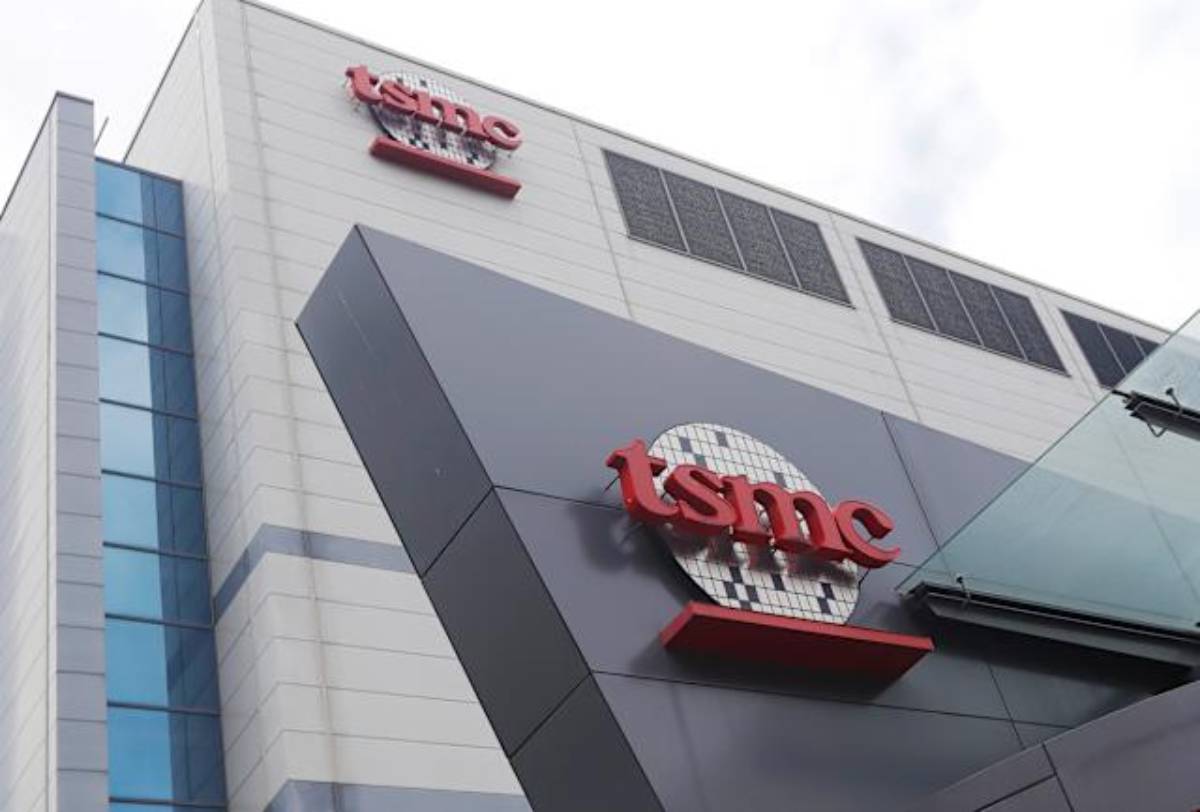
Global equity markets are reaching record levels, largely fueled by strong investor interest in AI-related companies and technologies. The so-called “AI trade” has driven significant capital inflows into sectors such as semiconductors.

April 20, 2026
|

A major divergence is unfolding in global financial markets as AI-driven investment momentum continues to push equities to record highs, even amid escalating geopolitical tensions involving Iran. The development signals a structural shift in capital allocation, with investors prioritizing AI-led growth opportunities over traditional macroeconomic and geopolitical risk factors.

Global equity markets are reaching record levels, largely fueled by strong investor interest in AI-related companies and technologies. The so-called “AI trade” has driven significant capital inflows into sectors such as semiconductors, cloud computing, and data center infrastructure.

This surge is occurring despite heightened geopolitical uncertainty linked to tensions involving Iran, which would traditionally weigh on market sentiment. Key stakeholders include institutional investors, technology firms, and global financial markets. The trend highlights a decoupling of market performance from geopolitical instability, as AI platforms and innovation cycles become dominant drivers of investor confidence and valuation growth.

The current rally reflects a broader transformation in how markets assess risk and opportunity in the digital economy. Historically, geopolitical conflicts—particularly in energy-sensitive regions have triggered volatility across global markets. However, the rise of AI as a dominant investment theme has altered this dynamic.

This development aligns with a broader trend across global markets where technology-led growth sectors increasingly overshadow traditional macroeconomic indicators. Companies building AI platforms, advanced semiconductors, and data infrastructure are now central to market expansion narratives.

At the same time, geopolitical tensions involving Iran continue to influence energy markets and global supply chains. Yet, the resilience of equity markets suggests that investors are placing greater weight on long-term technological transformation than short-term geopolitical disruptions. This marks a shift in how global capital is allocated in an increasingly digital-first economy.

Market analysts suggest that the AI-driven rally represents a fundamental re-rating of technology assets rather than a temporary surge. Experts note that AI frameworks and platforms are being viewed as foundational infrastructure for future economic growth, justifying sustained investor enthusiasm.

Some analysts argue that the current environment reflects a “two-speed market,” where AI-linked sectors outperform while traditional industries remain more sensitive to geopolitical developments. Others caution that the divergence may not be sustainable if geopolitical risks escalate into broader economic disruptions.

Financial strategists emphasize that liquidity conditions, corporate earnings from AI-related businesses, and continued innovation cycles are reinforcing investor confidence. However, they also warn that high valuations in AI-driven sectors could introduce volatility if growth expectations are not met.

For businesses, the AI-driven market surge highlights the strategic importance of aligning with digital transformation trends. Companies outside the AI ecosystem may face increased pressure to integrate AI capabilities or risk falling behind in investor perception and capital access.

Investors are likely to continue prioritizing AI-related assets, potentially leading to sectoral imbalances in market performance. This could influence portfolio strategies and capital allocation decisions globally.

From a policy perspective, governments may need to balance support for innovation with measures to manage systemic risk arising from concentrated market growth. Regulatory bodies could also monitor valuation trends and market stability as AI-driven investments reshape financial ecosystems.

Looking ahead, the sustainability of the AI-driven rally will depend on continued earnings growth, technological breakthroughs, and macroeconomic stability. Decision-makers should closely monitor geopolitical developments involving Iran, as well as valuation levels in AI sectors. The key uncertainty lies in whether markets can maintain momentum if external risks intensify, or if a correction emerges as expectations recalibrate.

Source: Yahoo Finance
Date: April 20, 2026

  • Featured tools
Copy Ai
Free

Copy AI is one of the most popular AI writing tools designed to help professionals create high-quality content quickly. Whether you are a product manager drafting feature descriptions or a marketer creating ad copy, Copy AI can save hours of work while maintaining creativity and tone.

#
Copywriting
Learn more
Writesonic AI
Free

Writesonic AI is a versatile AI writing platform designed for marketers, entrepreneurs, and content creators. It helps users create blog posts, ad copies, product descriptions, social media posts, and more with ease. With advanced AI models and user-friendly tools, Writesonic streamlines content production and saves time for busy professionals.

#
Copywriting
Learn more

Learn more about future of AI

Join 80,000+ Ai enthusiast getting weekly updates on exciting AI tools.
Thank you! Your submission has been received!
Oops! Something went wrong while submitting the form.

AI Rally Lifts Global Stocks to Records

April 20, 2026

Global equity markets are reaching record levels, largely fueled by strong investor interest in AI-related companies and technologies. The so-called “AI trade” has driven significant capital inflows into sectors such as semiconductors.

A major divergence is unfolding in global financial markets as AI-driven investment momentum continues to push equities to record highs, even amid escalating geopolitical tensions involving Iran. The development signals a structural shift in capital allocation, with investors prioritizing AI-led growth opportunities over traditional macroeconomic and geopolitical risk factors.

Global equity markets are reaching record levels, largely fueled by strong investor interest in AI-related companies and technologies. The so-called “AI trade” has driven significant capital inflows into sectors such as semiconductors, cloud computing, and data center infrastructure.

This surge is occurring despite heightened geopolitical uncertainty linked to tensions involving Iran, which would traditionally weigh on market sentiment. Key stakeholders include institutional investors, technology firms, and global financial markets. The trend highlights a decoupling of market performance from geopolitical instability, as AI platforms and innovation cycles become dominant drivers of investor confidence and valuation growth.

The current rally reflects a broader transformation in how markets assess risk and opportunity in the digital economy. Historically, geopolitical conflicts—particularly in energy-sensitive regions have triggered volatility across global markets. However, the rise of AI as a dominant investment theme has altered this dynamic.

This development aligns with a broader trend across global markets where technology-led growth sectors increasingly overshadow traditional macroeconomic indicators. Companies building AI platforms, advanced semiconductors, and data infrastructure are now central to market expansion narratives.

At the same time, geopolitical tensions involving Iran continue to influence energy markets and global supply chains. Yet, the resilience of equity markets suggests that investors are placing greater weight on long-term technological transformation than short-term geopolitical disruptions. This marks a shift in how global capital is allocated in an increasingly digital-first economy.

Market analysts suggest that the AI-driven rally represents a fundamental re-rating of technology assets rather than a temporary surge. Experts note that AI frameworks and platforms are being viewed as foundational infrastructure for future economic growth, justifying sustained investor enthusiasm.

Some analysts argue that the current environment reflects a “two-speed market,” where AI-linked sectors outperform while traditional industries remain more sensitive to geopolitical developments. Others caution that the divergence may not be sustainable if geopolitical risks escalate into broader economic disruptions.

Financial strategists emphasize that liquidity conditions, corporate earnings from AI-related businesses, and continued innovation cycles are reinforcing investor confidence. However, they also warn that high valuations in AI-driven sectors could introduce volatility if growth expectations are not met.

For businesses, the AI-driven market surge highlights the strategic importance of aligning with digital transformation trends. Companies outside the AI ecosystem may face increased pressure to integrate AI capabilities or risk falling behind in investor perception and capital access.

Investors are likely to continue prioritizing AI-related assets, potentially leading to sectoral imbalances in market performance. This could influence portfolio strategies and capital allocation decisions globally.

From a policy perspective, governments may need to balance support for innovation with measures to manage systemic risk arising from concentrated market growth. Regulatory bodies could also monitor valuation trends and market stability as AI-driven investments reshape financial ecosystems.

Looking ahead, the sustainability of the AI-driven rally will depend on continued earnings growth, technological breakthroughs, and macroeconomic stability. Decision-makers should closely monitor geopolitical developments involving Iran, as well as valuation levels in AI sectors. The key uncertainty lies in whether markets can maintain momentum if external risks intensify, or if a correction emerges as expectations recalibrate.

Source: Yahoo Finance
Date: April 20, 2026

Promote Your Tool

Copy Embed Code

Similar Blogs

April 20, 2026
|

Intel Tested as AI CPU Growth Hits Margins

Intel is entering its earnings cycle with heightened scrutiny on its ability to capitalize on rising demand for AI-enabled processors. The company has been investing heavily in AI-focused CPUs and data center solutions.
Read more
April 20, 2026
|

AI Reshapes Ads as Japan Emerges Key Market

Technology and media ecosystems are witnessing increased integration of AI-driven assistance into consumer platforms, influencing how content is delivered, personalized, and monetized.
Read more
April 20, 2026
|

Nebius Lands $46B AI Cloud Deals

Nebius has reportedly secured $46 billion in AI cloud-related contracts, positioning itself as a rapidly emerging player in the competitive cloud infrastructure space.
Read more
April 20, 2026
|

Adobe Tested by AI Disruption

Adobe is facing increased competition from AI-native tools that can generate images, videos, and design assets with minimal user input.
Read more
April 20, 2026
|

VC Bets Surge on AI Crypto Convergence

Venture capital is flowing into startups that integrate AI capabilities with blockchain-based systems, creating hybrid solutions across finance, data management, and digital identity.
Read more
April 20, 2026
|

Verizon Urges Transparency on AI Job Cuts

Dan Schulman emphasized that companies should openly communicate the impact of AI adoption on employment, rather than downplaying or obscuring workforce reductions.
Read more