
AI Memory Chip Rally Faces Volatility Risks

Memory chip stocks have surged in recent months, fueled by optimism around artificial intelligence infrastructure expansion and rising demand for high-bandwidth memory.

May 26, 2026
|
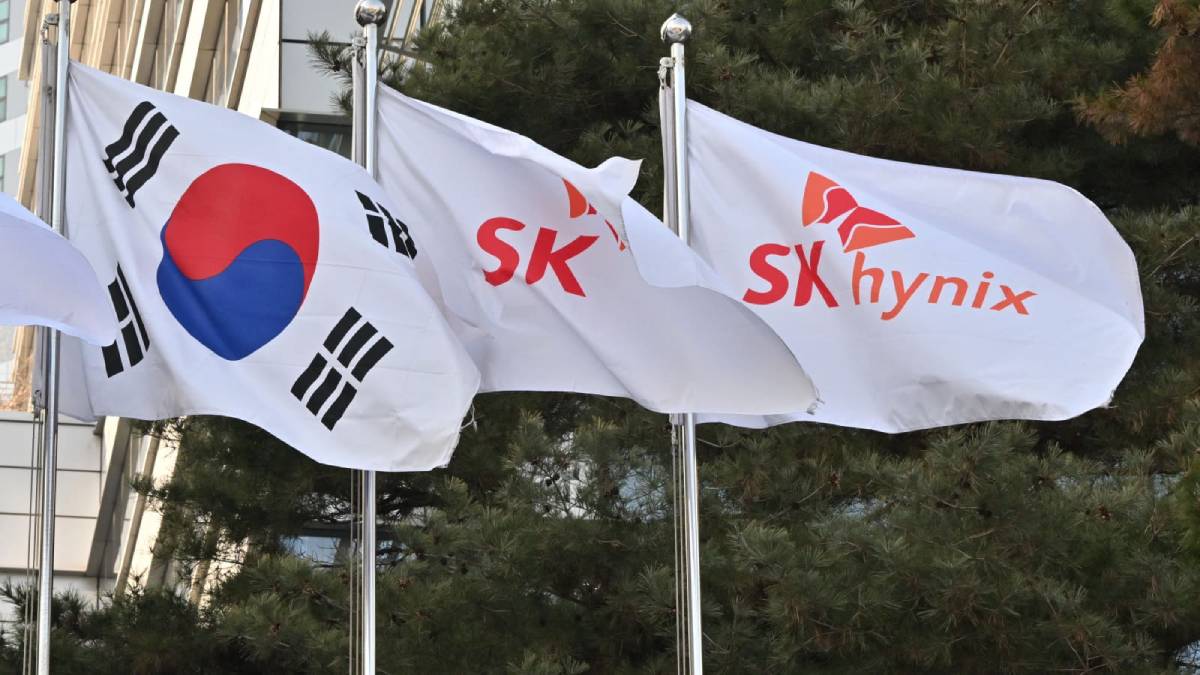
Image Source: CNBC

Global memory chip equities are under renewed scrutiny as investors warn that the AI-driven surge in demand may be inflating a familiar boom–bust cycle. The rally, led by major Asian semiconductor producers, has raised concerns about overheating valuations and supply imbalances, with implications for technology markets and global capital flows.

Memory chip stocks have surged in recent months, fueled by optimism around artificial intelligence infrastructure expansion and rising demand for high-bandwidth memory. Leading producers such as Samsung Electronics and SK Hynix have benefited from stronger pricing and tightening supply conditions.

However, analysts caution that the sector’s historical volatility could re-emerge if supply expansion outpaces AI-driven demand. Investor sentiment has shifted toward caution as capacity investments accelerate across Asia. Market watchers also note that memory cycles traditionally swing sharply between shortages and oversupply, amplifying earnings volatility for chipmakers and related tech indices.

The current rally sits at the intersection of artificial intelligence expansion and long-standing semiconductor cyclicality. Memory chips particularly DRAM and NAND are essential components in data centers, cloud computing infrastructure, and advanced AI model training systems. As global technology firms scale AI deployments, demand for high-performance memory has surged sharply.

However, the industry has historically experienced repeated boom–bust cycles driven by aggressive capacity expansion followed by price collapses. Previous cycles saw significant corrections after periods of overinvestment, particularly when supply growth exceeded demand forecasts. The current environment echoes earlier phases, though the AI transition adds a structural demand layer that complicates traditional cycle predictions.

Broader macroeconomic uncertainty, including interest rate expectations and geopolitical fragmentation in semiconductor supply chains, further intensifies volatility risk for investors.

Market strategists argue that while AI demand provides a stronger long-term foundation than previous cycles, near-term pricing power may still be vulnerable. Analysts highlight that memory producers tend to respond aggressively to rising prices by expanding capacity, often triggering oversupply within 12–24 months.

Industry observers note that leading firms such as Samsung Electronics and SK Hynix are increasing capital expenditure to secure dominance in high-margin AI memory segments. However, some investment banks warn that synchronized expansion across competitors could compress margins sooner than expected.

Policy analysts also point out that geopolitical constraints, including export controls and supply chain diversification efforts, may distort traditional supply-demand signals, making forecasting more complex than in prior cycles.

For global technology firms, the current environment demands careful balancing between securing supply and avoiding overcommitment in a potentially volatile pricing cycle. AI-driven infrastructure players may face elevated input costs if memory prices remain high.

For investors, heightened volatility in semiconductor equities could reshape portfolio allocations, particularly in Asia-heavy tech exposure. Governments, meanwhile, may intensify semiconductor industrial policy as memory chips remain strategically critical to AI competitiveness.

The risk remains that an oversupplied market could trigger rapid price declines, impacting earnings stability across the entire tech ecosystem, from cloud providers to consumer electronics manufacturers.

Looking ahead, the memory chip market is expected to remain tightly linked to AI infrastructure expansion, but cyclical risks persist. The next 12–18 months will be critical in determining whether demand growth justifies aggressive capacity additions. Investors will closely watch pricing trends, inventory levels, and capital expenditure signals from major producers. Despite structural AI demand support, volatility remains a defining feature of the sector’s outlook.

Source: CNBC – Memory Stocks and AI-Driven Cycle Analysis
Date: May 25, 2026

  • Featured tools
Neuron AI
Free

Neuron AI is an AI-driven content optimization platform that helps creators produce SEO-friendly content by combining semantic SEO, competitor analysis, and AI-assisted writing workflows.

#
SEO
Learn more
WellSaid Ai
Free

WellSaid AI is an advanced text-to-speech platform that transforms written text into lifelike, human-quality voiceovers.

#
Text to Speech
Learn more

Learn more about future of AI

Join 80,000+ Ai enthusiast getting weekly updates on exciting AI tools.
Thank you! Your submission has been received!
Oops! Something went wrong while submitting the form.

AI Memory Chip Rally Faces Volatility Risks

May 26, 2026

Memory chip stocks have surged in recent months, fueled by optimism around artificial intelligence infrastructure expansion and rising demand for high-bandwidth memory.

Image Source: CNBC

Global memory chip equities are under renewed scrutiny as investors warn that the AI-driven surge in demand may be inflating a familiar boom–bust cycle. The rally, led by major Asian semiconductor producers, has raised concerns about overheating valuations and supply imbalances, with implications for technology markets and global capital flows.

Memory chip stocks have surged in recent months, fueled by optimism around artificial intelligence infrastructure expansion and rising demand for high-bandwidth memory. Leading producers such as Samsung Electronics and SK Hynix have benefited from stronger pricing and tightening supply conditions.

However, analysts caution that the sector’s historical volatility could re-emerge if supply expansion outpaces AI-driven demand. Investor sentiment has shifted toward caution as capacity investments accelerate across Asia. Market watchers also note that memory cycles traditionally swing sharply between shortages and oversupply, amplifying earnings volatility for chipmakers and related tech indices.

The current rally sits at the intersection of artificial intelligence expansion and long-standing semiconductor cyclicality. Memory chips particularly DRAM and NAND are essential components in data centers, cloud computing infrastructure, and advanced AI model training systems. As global technology firms scale AI deployments, demand for high-performance memory has surged sharply.

However, the industry has historically experienced repeated boom–bust cycles driven by aggressive capacity expansion followed by price collapses. Previous cycles saw significant corrections after periods of overinvestment, particularly when supply growth exceeded demand forecasts. The current environment echoes earlier phases, though the AI transition adds a structural demand layer that complicates traditional cycle predictions.

Broader macroeconomic uncertainty, including interest rate expectations and geopolitical fragmentation in semiconductor supply chains, further intensifies volatility risk for investors.

Market strategists argue that while AI demand provides a stronger long-term foundation than previous cycles, near-term pricing power may still be vulnerable. Analysts highlight that memory producers tend to respond aggressively to rising prices by expanding capacity, often triggering oversupply within 12–24 months.

Industry observers note that leading firms such as Samsung Electronics and SK Hynix are increasing capital expenditure to secure dominance in high-margin AI memory segments. However, some investment banks warn that synchronized expansion across competitors could compress margins sooner than expected.

Policy analysts also point out that geopolitical constraints, including export controls and supply chain diversification efforts, may distort traditional supply-demand signals, making forecasting more complex than in prior cycles.

For global technology firms, the current environment demands careful balancing between securing supply and avoiding overcommitment in a potentially volatile pricing cycle. AI-driven infrastructure players may face elevated input costs if memory prices remain high.

For investors, heightened volatility in semiconductor equities could reshape portfolio allocations, particularly in Asia-heavy tech exposure. Governments, meanwhile, may intensify semiconductor industrial policy as memory chips remain strategically critical to AI competitiveness.

The risk remains that an oversupplied market could trigger rapid price declines, impacting earnings stability across the entire tech ecosystem, from cloud providers to consumer electronics manufacturers.

Looking ahead, the memory chip market is expected to remain tightly linked to AI infrastructure expansion, but cyclical risks persist. The next 12–18 months will be critical in determining whether demand growth justifies aggressive capacity additions. Investors will closely watch pricing trends, inventory levels, and capital expenditure signals from major producers. Despite structural AI demand support, volatility remains a defining feature of the sector’s outlook.

Source: CNBC – Memory Stocks and AI-Driven Cycle Analysis
Date: May 25, 2026

Promote Your Tool

Copy Embed Code

Similar Blogs

May 26, 2026
|

AI Coding Gains Creativity Limits App Development

A developer used an AI coding tool to build a Pinterest-inspired web application, demonstrating how quickly generative AI can produce visually functional software.
Read more
May 26, 2026
|

Nvidia Expands AI Ecosystem Through Stakes

NVIDIA is increasing its exposure to the broader artificial intelligence ecosystem by taking equity stakes in select AI-related companies, according to market analysis.
Read more
May 26, 2026
|

AI Security Shift Demands System-Level Defense

Security researchers argue that protecting individual AI models is no longer sufficient as organizations deploy complex, multi-layered AI ecosystems.
Read more
May 26, 2026
|

Alphabet Agentic AI Strategy Sparks Valuation Debate

Alphabet Inc. is accelerating its focus on agentic AI systems advanced models designed to autonomously plan, execute, and adapt tasks across digital environments.
Read more
May 26, 2026
|

Expert AI Fincons Advance Neuro-Symbolic AI

AI technology firm Expert.ai has partnered with digital transformation and IT services provider Fincons Group to deliver neuro-symbolic AI solutions to enterprise clients.
Read more
May 26, 2026
|

India AI Data Center Surge Boosts Schneider

Schneider Electric has indicated that its India data center segment is experiencing accelerated growth, driven by increasing demand for AI computing infrastructure and cloud services.
Read more