



This year’s television upfront season is unfolding against a backdrop of aggressive AI adoption, corporate restructuring, and intensifying competition for advertising revenue. Media giants are repositioning their strategies around data-driven advertising, streaming profitability, and artificial intelligence, signalling a broader transformation in how entertainment companies attract audiences and monetize content in a fragmented digital economy.
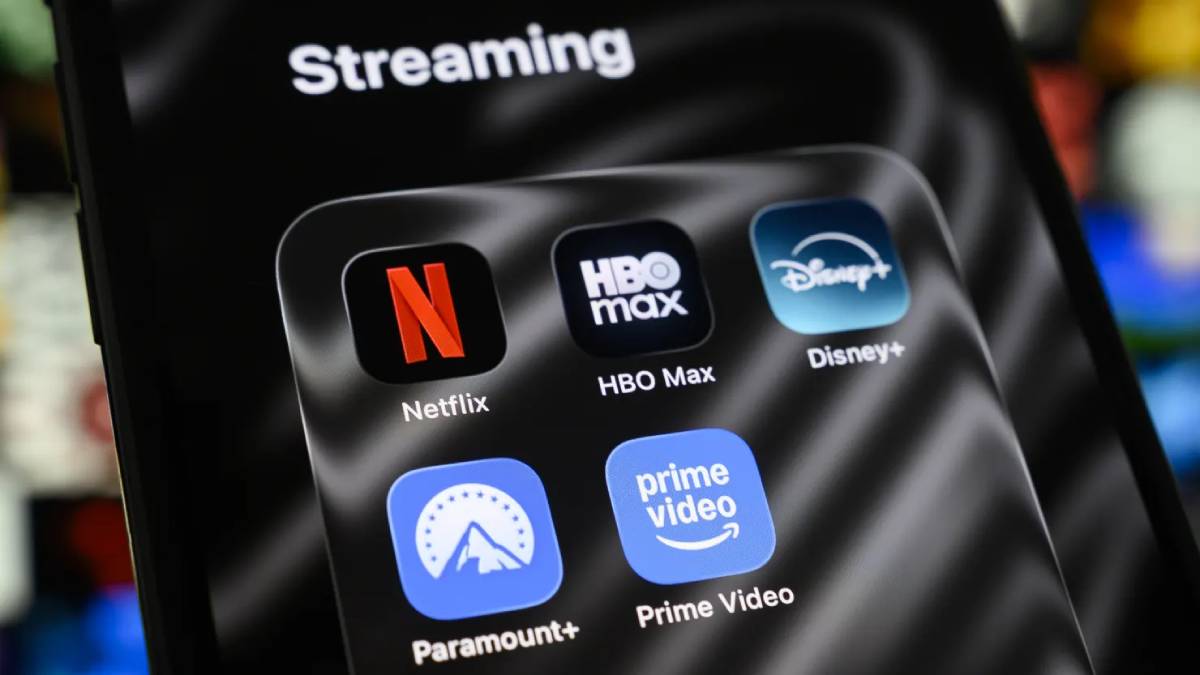
Media companies including NBCUniversal, Disney, Warner Bros. Discovery, Netflix, Amazon, and Paramount are using annual upfront presentations to emphasize AI-enhanced advertising tools, audience analytics, and cross-platform targeting capabilities.
Executives are increasingly pitching advertisers on automated ad placement systems, predictive consumer insights, and personalized content recommendations powered by artificial intelligence. At the same time, ongoing mergers, executive reshuffles, and restructuring efforts continue reshaping the competitive landscape across television and streaming.
The industry is also navigating economic pressure from slowing linear TV revenues and shifting consumer behavior toward digital and mobile-first viewing. Streaming profitability remains a central priority as platforms seek stronger advertiser relationships and more efficient monetization strategies.
The evolving market reflects broader efforts by entertainment companies to combine technology infrastructure with media distribution at scale. The television upfronts have historically served as a critical marketplace where broadcasters secure billions of dollars in advertising commitments ahead of new programming seasons. However, the rise of streaming services, social media platforms, and short-form digital video has significantly disrupted the traditional television business model.
The development aligns with a broader trend across global markets where media companies are increasingly operating as technology-driven data businesses rather than pure entertainment providers. Artificial intelligence is now influencing audience measurement, recommendation algorithms, advertising optimization, and content production workflows.
The shift accelerated during the streaming wars of the past decade, when companies invested heavily in direct-to-consumer platforms to compete with Netflix and digital-native competitors. Rising production costs, subscriber saturation, and slowing advertising growth have since forced many firms to prioritize profitability over rapid expansion.
Simultaneously, consolidation across the media sector has intensified. Mergers, layoffs, and leadership changes have reshaped organizational structures as companies attempt to streamline operations and strengthen negotiating leverage with advertisers and technology partners.
Historically, television advertising depended heavily on broad demographic targeting. AI-driven analytics are now enabling advertisers to pursue highly personalized campaigns across streaming ecosystems, fundamentally changing how audiences are monetized.
Industry analysts argue that AI is becoming central to the next phase of media monetization. Advertising experts suggest that companies capable of combining premium content libraries with advanced consumer data analytics will hold a competitive advantage in attracting global brands.
Executives across the entertainment sector have increasingly framed artificial intelligence as a tool for improving ad efficiency, audience engagement, and operational productivity. Many companies are investing in machine learning systems that can optimize campaign performance in real time while offering advertisers more measurable returns.
At the same time, analysts warn that heavy dependence on automated advertising ecosystems may increase concerns around transparency, data privacy, and market concentration. Regulators in multiple jurisdictions are already examining how digital platforms collect and utilize consumer viewing data.
Media strategists also note that corporate restructuring across the sector reflects a deeper transition from legacy broadcasting economics toward hybrid technology-media operating models. Investors are closely watching whether streaming platforms can sustain profitability while continuing to invest in premium content and AI infrastructure.
Some observers believe the growing integration of AI into advertising and production could eventually reshape employment patterns across creative industries, including marketing, editing, and content development roles.
For global executives, the transformation of the upfront marketplace signals a new era where media, technology, and data infrastructure are becoming increasingly interconnected. Advertisers may need to reassess spending strategies as AI-powered targeting systems redefine campaign planning and audience segmentation.
Media companies are likely to accelerate investments in automation, predictive analytics, and personalized content delivery to improve margins and advertiser retention. Investors, meanwhile, may place greater emphasis on firms capable of balancing streaming profitability with scalable technology capabilities.
Governments and regulators could intensify scrutiny around consumer data usage, algorithmic advertising practices, and competition within digital media ecosystems. Policymakers may also face growing pressure to establish clearer standards around AI-generated content and automated recommendation systems.
Analysts suggest that companies unable to adapt to AI-driven advertising dynamics risk losing relevance in an increasingly platform-centric media economy. The television and streaming industry is expected to continue evolving toward AI-centric business models focused on personalization, automation, and cross-platform monetization. Decision-makers will closely monitor advertising demand, consumer viewing trends, and regulatory developments surrounding data governance and digital competition.
As entertainment companies deepen their integration of AI technologies, the future competitive landscape may depend less on traditional broadcasting scale and more on technological agility, audience intelligence, and operational efficiency.
Source: CNBC
Date: May 12, 2026


