



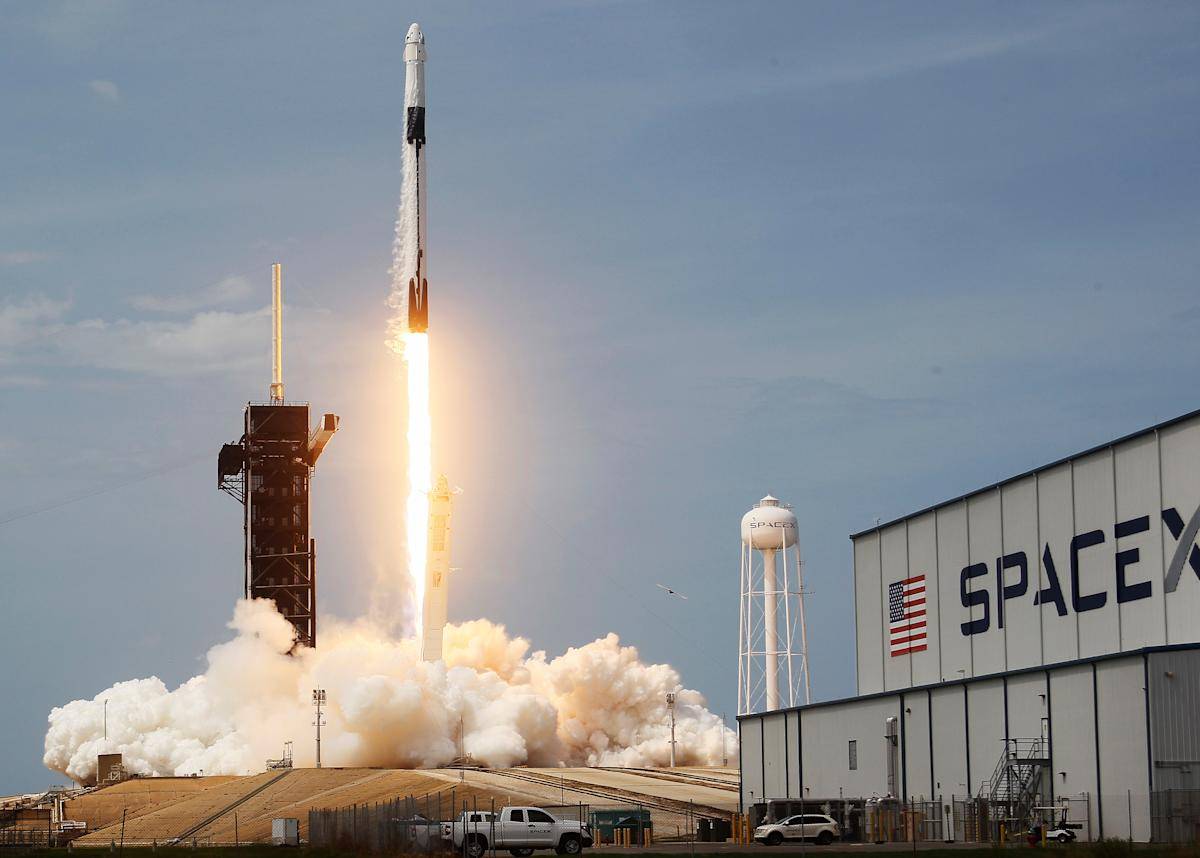
Global markets are increasingly fixated on the prospect of blockbuster IPOs from SpaceX and OpenAI, a narrative that analysts warn could intensify speculative excess in AI-linked equities. The anticipation is amplifying already stretched valuations, raising concerns that the AI investment cycle may be entering late-stage bubble dynamics with systemic implications for investors and tech-driven portfolios.
Market commentary highlighted in the “Chart of the Day” analysis suggests that expectations around potential listings from major AI players are accelerating capital inflows into technology equities. SpaceX and OpenAI remain private, but their perceived future valuations are already shaping public-market sentiment.
The report notes that AI-related stocks have outperformed broader indices in 2025–2026, driven by infrastructure demand, GPU scarcity, and enterprise AI adoption. However, analysts caution that IPO speculation is inflating forward multiples beyond near-term earnings realities. Institutional investors are increasingly positioning around “AI ecosystem exposure,” despite limited clarity on actual listing timelines or pricing structures.
The current rally in AI-linked assets builds on a multi-year expansion in generative AI adoption, cloud infrastructure scaling, and semiconductor demand. Since the launch of foundational models in the early 2020s, capital markets have increasingly treated AI as a structural growth supercycle similar to the internet boom era.
However, historical parallels particularly the dot-com bubble are resurfacing in market commentary. Then, as now, narrative-driven valuations often outpaced revenue generation. The speculative premium surrounding companies like OpenAI and SpaceX reflects broader investor behavior where future platform dominance is priced in long before monetization clarity emerges.
Geopolitically, AI leadership is also viewed as strategic infrastructure, further amplifying state and institutional interest in the sector. Market strategists cited in the analysis argue that IPO anticipation is functioning as a “liquidity magnet,” drawing capital into already concentrated tech positions. Some analysts warn that secondary market enthusiasm around private valuations may not translate into sustainable public-market pricing once regulatory disclosures and earnings transparency are required.
Institutional commentary suggests divergence between long-term AI fundamentals and short-term trading behavior, with hedge funds increasingly using AI exposure as a macro hedge against productivity-driven growth narratives.
While no official statements from SpaceX or OpenAI confirm IPO timelines, industry observers note that even speculative discussion from leadership ecosystems can significantly influence capital allocation cycles. Broader Wall Street sentiment remains cautiously optimistic but increasingly alert to valuation compression risks.
For global investors, the evolving IPO narrative introduces both opportunity and heightened downside risk. Capital concentration in AI infrastructure and model developers may amplify volatility if earnings fail to justify forward pricing assumptions.
Corporates operating in adjacent sectors cloud, semiconductors, and enterprise software may benefit from continued demand momentum, but face tighter scrutiny on return on investment.
From a policy perspective, regulators may increasingly monitor valuation inflation in private markets, particularly where systemic exposure builds through index-linked funds and pension allocations. Analysts warn that misalignment between narrative-driven capital flows and real economic output could trigger sharper corrections in late-cycle conditions.
Market attention will now center on whether IPO timelines for major AI firms materialize or remain speculative drivers of valuation expansion. Any formal listing signals could reset pricing benchmarks across the sector. However, absent revenue acceleration, volatility risks remain elevated. Investors will be watching earnings season, private funding rounds, and AI infrastructure spending as key indicators of sustainability in the current cycle.
Source: Finance Yahoo
Date: May 25, 2026


