
AI Homework Platforms Accelerate EdTech Race

Gauth, an AI-powered homework assistance platform, is positioning itself as a broad academic support ecosystem offering solutions across mathematics, science, writing, and other school subjects.

May 27, 2026
|
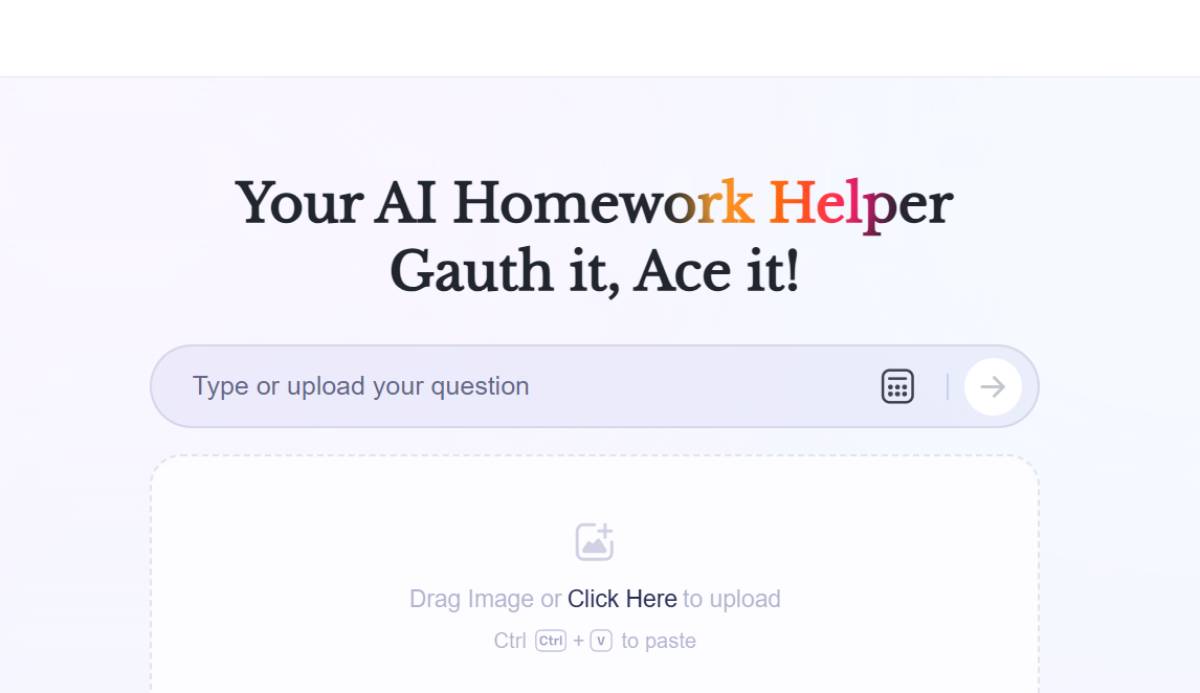
Image Source: Gauth Official Website

A major shift is unfolding in the global education technology sector as AI-powered learning platform Gauth expands its presence with automated homework assistance across multiple academic disciplines. The development highlights accelerating competition in AI-driven education services, with implications for students, educators, regulators, and digital learning companies navigating the future of academic support.

Gauth, an AI-powered homework assistance platform, is positioning itself as a broad academic support ecosystem offering solutions across mathematics, science, writing, and other school subjects. The platform combines AI-generated answers, step-by-step explanations, and interactive tutoring features designed for students ranging from primary education to university level.

The company’s expansion reflects growing demand for always-available educational support tools amid rising global adoption of generative AI systems. AI tutoring platforms are increasingly competing on personalization, response speed, multilingual capabilities, and subscription-based monetization models.

The rise of these services also places pressure on traditional tutoring businesses and educational publishers while intensifying debate around academic integrity, assessment standards, and responsible AI use in classrooms worldwide.

The emergence of AI-driven educational assistants marks one of the fastest-growing segments within the global artificial intelligence economy. Since the widespread adoption of generative AI tools, education technology firms have accelerated investments in automated tutoring, personalized learning systems, and intelligent assessment technologies.

The development aligns with a broader trend across global markets where AI is reshaping knowledge delivery and reducing barriers to academic assistance. Companies across the United States, China, South Korea, and Europe are aggressively pursuing the AI education market as governments modernize digital learning infrastructure.

The sector has simultaneously triggered concern among schools and universities regarding plagiarism, overreliance on AI-generated answers, and declining emphasis on independent problem-solving. Institutions worldwide have responded unevenly, with some embracing AI-supported learning while others tighten restrictions on AI use in examinations and coursework.

The broader competition increasingly centers on who controls the next generation of personalized digital education ecosystems. Industry analysts view platforms like Gauth as part of a larger transition from static educational content toward adaptive AI learning environments capable of responding to individual student behavior in real time. EdTech strategists argue that AI tutors could significantly improve accessibility for students in underserved or resource-constrained regions.

Supporters of AI education tools contend that automated assistance can help bridge teacher shortages and deliver scalable academic support outside traditional classroom hours. Technology executives across the sector have also framed AI tutoring as a productivity tool rather than a replacement for educators.

However, education policy experts warn that rapid adoption without clear governance frameworks could deepen concerns around misinformation, academic dependency, and unequal access to premium AI capabilities. Analysts additionally note that trust, transparency, and verification mechanisms will become increasingly important as schools and governments evaluate which AI platforms can safely integrate into mainstream educational systems.

The debate is evolving from whether AI belongs in classrooms to how it should be regulated and supervised. For businesses, the rapid growth of AI education platforms represents a major commercial opportunity spanning subscriptions, enterprise learning partnerships, institutional licensing, and advertising-driven ecosystems. Investors are closely monitoring the sector as AI-powered learning becomes a high-growth category within global software markets.

Traditional tutoring providers, textbook publishers, and educational service companies may face mounting disruption as students migrate toward low-cost automated assistance tools. At the same time, governments and regulators are likely to intensify scrutiny around student data privacy, algorithmic transparency, and AI-generated educational accuracy.

For global executives, the shift could redefine workforce training and digital learning strategies across both education and corporate sectors. Analysts warn that organizations may soon need standardized policies governing AI-assisted learning environments and certification credibility.

The next phase of competition in AI education will likely focus on personalization, credibility, and institutional adoption. Companies that can balance automation with educational reliability may gain strategic advantage in a rapidly expanding global market.

Decision-makers will closely watch regulatory developments, school adoption trends, and consumer trust levels as AI learning tools become increasingly mainstream. The broader challenge will center on ensuring AI enhances educational outcomes without undermining academic integrity or human instruction.

Source: Gauth Official Website
Date: May 27, 2026

  • Featured tools
Beautiful AI
Free

Beautiful AI is an AI-powered presentation platform that automates slide design and formatting, enabling users to create polished, on-brand presentations quickly.

#
Presentation
Learn more
Writesonic AI
Free

Writesonic AI is a versatile AI writing platform designed for marketers, entrepreneurs, and content creators. It helps users create blog posts, ad copies, product descriptions, social media posts, and more with ease. With advanced AI models and user-friendly tools, Writesonic streamlines content production and saves time for busy professionals.

#
Copywriting
Learn more

Learn more about future of AI

Join 80,000+ Ai enthusiast getting weekly updates on exciting AI tools.
Thank you! Your submission has been received!
Oops! Something went wrong while submitting the form.

AI Homework Platforms Accelerate EdTech Race

May 27, 2026

Gauth, an AI-powered homework assistance platform, is positioning itself as a broad academic support ecosystem offering solutions across mathematics, science, writing, and other school subjects.

Image Source: Gauth Official Website

A major shift is unfolding in the global education technology sector as AI-powered learning platform Gauth expands its presence with automated homework assistance across multiple academic disciplines. The development highlights accelerating competition in AI-driven education services, with implications for students, educators, regulators, and digital learning companies navigating the future of academic support.

Gauth, an AI-powered homework assistance platform, is positioning itself as a broad academic support ecosystem offering solutions across mathematics, science, writing, and other school subjects. The platform combines AI-generated answers, step-by-step explanations, and interactive tutoring features designed for students ranging from primary education to university level.

The company’s expansion reflects growing demand for always-available educational support tools amid rising global adoption of generative AI systems. AI tutoring platforms are increasingly competing on personalization, response speed, multilingual capabilities, and subscription-based monetization models.

The rise of these services also places pressure on traditional tutoring businesses and educational publishers while intensifying debate around academic integrity, assessment standards, and responsible AI use in classrooms worldwide.

The emergence of AI-driven educational assistants marks one of the fastest-growing segments within the global artificial intelligence economy. Since the widespread adoption of generative AI tools, education technology firms have accelerated investments in automated tutoring, personalized learning systems, and intelligent assessment technologies.

The development aligns with a broader trend across global markets where AI is reshaping knowledge delivery and reducing barriers to academic assistance. Companies across the United States, China, South Korea, and Europe are aggressively pursuing the AI education market as governments modernize digital learning infrastructure.

The sector has simultaneously triggered concern among schools and universities regarding plagiarism, overreliance on AI-generated answers, and declining emphasis on independent problem-solving. Institutions worldwide have responded unevenly, with some embracing AI-supported learning while others tighten restrictions on AI use in examinations and coursework.

The broader competition increasingly centers on who controls the next generation of personalized digital education ecosystems. Industry analysts view platforms like Gauth as part of a larger transition from static educational content toward adaptive AI learning environments capable of responding to individual student behavior in real time. EdTech strategists argue that AI tutors could significantly improve accessibility for students in underserved or resource-constrained regions.

Supporters of AI education tools contend that automated assistance can help bridge teacher shortages and deliver scalable academic support outside traditional classroom hours. Technology executives across the sector have also framed AI tutoring as a productivity tool rather than a replacement for educators.

However, education policy experts warn that rapid adoption without clear governance frameworks could deepen concerns around misinformation, academic dependency, and unequal access to premium AI capabilities. Analysts additionally note that trust, transparency, and verification mechanisms will become increasingly important as schools and governments evaluate which AI platforms can safely integrate into mainstream educational systems.

The debate is evolving from whether AI belongs in classrooms to how it should be regulated and supervised. For businesses, the rapid growth of AI education platforms represents a major commercial opportunity spanning subscriptions, enterprise learning partnerships, institutional licensing, and advertising-driven ecosystems. Investors are closely monitoring the sector as AI-powered learning becomes a high-growth category within global software markets.

Traditional tutoring providers, textbook publishers, and educational service companies may face mounting disruption as students migrate toward low-cost automated assistance tools. At the same time, governments and regulators are likely to intensify scrutiny around student data privacy, algorithmic transparency, and AI-generated educational accuracy.

For global executives, the shift could redefine workforce training and digital learning strategies across both education and corporate sectors. Analysts warn that organizations may soon need standardized policies governing AI-assisted learning environments and certification credibility.

The next phase of competition in AI education will likely focus on personalization, credibility, and institutional adoption. Companies that can balance automation with educational reliability may gain strategic advantage in a rapidly expanding global market.

Decision-makers will closely watch regulatory developments, school adoption trends, and consumer trust levels as AI learning tools become increasingly mainstream. The broader challenge will center on ensuring AI enhances educational outcomes without undermining academic integrity or human instruction.

Source: Gauth Official Website
Date: May 27, 2026

Promote Your Tool

Copy Embed Code

Similar Blogs

May 27, 2026
|

US Warns Anti-Tech Extremism Risks Escalate

US law enforcement agencies are monitoring escalating anti-technology rhetoric and extremist narratives targeting AI companies, executives, and digital infrastructure providers.
Read more
May 27, 2026
|

Emochi AI Character Platforms Expand Entertainment Economy

Emochi is positioning itself within the fast-growing AI entertainment and conversational platform market by offering users access to large-scale AI character interactions.
Read more
May 27, 2026
|

SushiLab AI Platforms Expand Digital Identity

SushiLab is positioning itself within the rapidly evolving AI personalization market by offering technology aimed at enabling users to maintain a consistent AI-powered personality across digital environments.
Read more
May 27, 2026
|

Grubby AI Humanization Debate Challenges Digital Trust

Grubby AI has entered the rapidly growing market for AI text humanization platforms, offering tools intended to modify AI-generated writing so it resembles human-authored content.
Read more
May 27, 2026
|

Hermes Agentic AI Leads Autonomous Race

Hermes Agentic AI has emerged as a leading force within the fast-growing market for autonomous AI agents, surpassing OpenClaw in visibility and enterprise momentum.
Read more
May 27, 2026
|

Microsoft Copilot Expands Enterprise AI Automation

Microsoft Copilot has emerged as a central pillar in Microsoft’s broader artificial intelligence strategy, embedding generative AI capabilities across business applications, cloud infrastructure, and consumer productivity platforms.
Read more