
AI Governance Gains Ground at IAPP Summit

The integration of AI governance into major global forums like the International Association of Privacy Professionals Global Summit reflects a broader shift toward institutionalizing responsible AI practices.

April 9, 2026
|
Image Source: https://iapp.org/

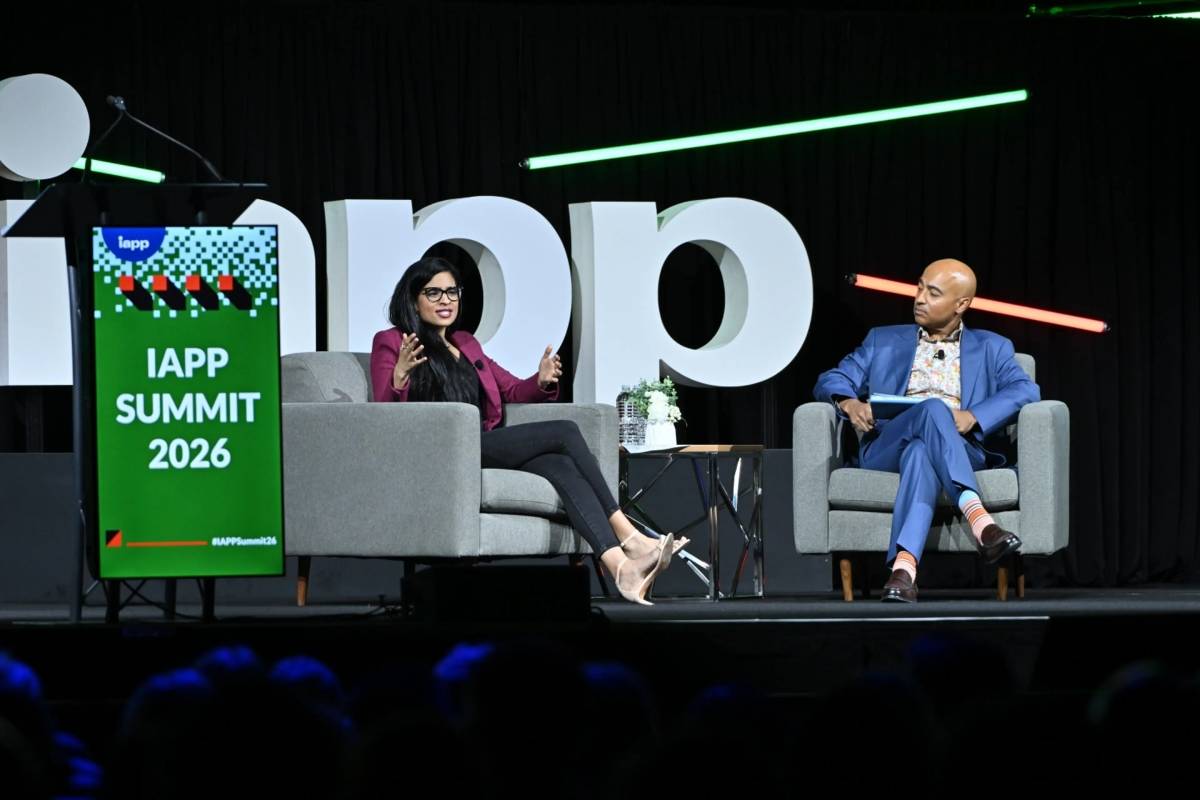
A major development unfolded as the International Association of Privacy Professionals formally integrated AI governance into its Global Summit agenda, marking a pivotal shift in how organizations approach artificial intelligence oversight. The move underscores rising global urgency around responsible AI, with implications for regulators, enterprises, and technology leaders worldwide.

  • The International Association of Privacy Professionals incorporated AI governance as a central theme at its Global Summit.
  • Discussions focused on frameworks for responsible AI deployment, risk management, and compliance.
  • Key stakeholders included policymakers, corporate leaders, legal experts, and technology professionals.
  • The initiative reflects growing demand for structured governance in AI adoption.
  • Topics covered include data privacy, algorithmic accountability, and regulatory alignment.
  • The summit highlighted the intersection of AI governance with existing privacy and compliance frameworks.
  • The move signals that AI oversight is becoming a core priority for global enterprises and institutions.

The integration of AI governance into major global forums like the International Association of Privacy Professionals Global Summit reflects a broader shift toward institutionalizing responsible AI practices. As artificial intelligence becomes central to business operations and public services, the need for robust governance frameworks has intensified.

This development aligns with a broader trend across global markets where governments and organizations are prioritizing AI regulation and ethical standards. Initiatives such as the European Union’s AI Act and similar policies worldwide highlight the increasing focus on accountability and transparency.

Historically, technology adoption has often outpaced regulation, leading to gaps in oversight. The current wave of AI innovation is prompting a more proactive approach, with stakeholders seeking to balance innovation with risk management. The growing prominence of AI governance signals its transition from a niche concern to a mainstream business imperative.

Experts view the move by the International Association of Privacy Professionals as a critical milestone in the evolution of AI governance. “AI is no longer just a technical issue it is a governance challenge that spans legal, ethical, and operational domains,” noted a policy analyst.

Industry leaders emphasize that integrating AI governance into established privacy frameworks can help organizations manage risks more effectively. The discussions at the summit highlighted the need for standardized approaches to auditing AI systems and ensuring transparency.

However, experts caution that achieving global alignment remains a challenge, given differing regulatory approaches across regions. They stress the importance of collaboration between governments, industry, and civil society to develop cohesive frameworks. As AI adoption accelerates, governance will play a defining role in shaping its impact on society and the economy.

For global executives, the elevation of AI governance signals the need to embed compliance and ethical considerations into core business strategies. Companies may need to invest in governance frameworks, risk management systems, and cross-functional expertise.

Investors are likely to increasingly evaluate organizations based on their ability to manage AI-related risks and comply with emerging regulations. Strong governance practices could become a competitive advantage.

From a policy perspective, the move underscores the growing importance of international coordination in AI regulation. Governments may accelerate efforts to establish clear guidelines, ensuring that innovation proceeds alongside accountability and public trust.

Decision-makers should monitor evolving AI governance standards, regulatory developments, and industry best practices. Future initiatives may focus on harmonizing global frameworks and developing tools for auditing and compliance.

Key uncertainties include regulatory fragmentation, enforcement mechanisms, and the pace of technological change. As AI continues to expand across sectors, effective governance will be essential to unlocking its full potential while mitigating risks.

Source: International Association of Privacy Professionals
Date: April 9, 2026

  • Featured tools
Surfer AI
Free

Surfer AI is an AI-powered content creation assistant built into the Surfer SEO platform, designed to generate SEO-optimized articles from prompts, leveraging data from search results to inform tone, structure, and relevance.

#
SEO
Learn more
Neuron AI
Free

Neuron AI is an AI-driven content optimization platform that helps creators produce SEO-friendly content by combining semantic SEO, competitor analysis, and AI-assisted writing workflows.

#
SEO
Learn more

Learn more about future of AI

Join 80,000+ Ai enthusiast getting weekly updates on exciting AI tools.
Thank you! Your submission has been received!
Oops! Something went wrong while submitting the form.

AI Governance Gains Ground at IAPP Summit

April 9, 2026

The integration of AI governance into major global forums like the International Association of Privacy Professionals Global Summit reflects a broader shift toward institutionalizing responsible AI practices.

Image Source: https://iapp.org/

A major development unfolded as the International Association of Privacy Professionals formally integrated AI governance into its Global Summit agenda, marking a pivotal shift in how organizations approach artificial intelligence oversight. The move underscores rising global urgency around responsible AI, with implications for regulators, enterprises, and technology leaders worldwide.

  • The International Association of Privacy Professionals incorporated AI governance as a central theme at its Global Summit.
  • Discussions focused on frameworks for responsible AI deployment, risk management, and compliance.
  • Key stakeholders included policymakers, corporate leaders, legal experts, and technology professionals.
  • The initiative reflects growing demand for structured governance in AI adoption.
  • Topics covered include data privacy, algorithmic accountability, and regulatory alignment.
  • The summit highlighted the intersection of AI governance with existing privacy and compliance frameworks.
  • The move signals that AI oversight is becoming a core priority for global enterprises and institutions.

The integration of AI governance into major global forums like the International Association of Privacy Professionals Global Summit reflects a broader shift toward institutionalizing responsible AI practices. As artificial intelligence becomes central to business operations and public services, the need for robust governance frameworks has intensified.

This development aligns with a broader trend across global markets where governments and organizations are prioritizing AI regulation and ethical standards. Initiatives such as the European Union’s AI Act and similar policies worldwide highlight the increasing focus on accountability and transparency.

Historically, technology adoption has often outpaced regulation, leading to gaps in oversight. The current wave of AI innovation is prompting a more proactive approach, with stakeholders seeking to balance innovation with risk management. The growing prominence of AI governance signals its transition from a niche concern to a mainstream business imperative.

Experts view the move by the International Association of Privacy Professionals as a critical milestone in the evolution of AI governance. “AI is no longer just a technical issue it is a governance challenge that spans legal, ethical, and operational domains,” noted a policy analyst.

Industry leaders emphasize that integrating AI governance into established privacy frameworks can help organizations manage risks more effectively. The discussions at the summit highlighted the need for standardized approaches to auditing AI systems and ensuring transparency.

However, experts caution that achieving global alignment remains a challenge, given differing regulatory approaches across regions. They stress the importance of collaboration between governments, industry, and civil society to develop cohesive frameworks. As AI adoption accelerates, governance will play a defining role in shaping its impact on society and the economy.

For global executives, the elevation of AI governance signals the need to embed compliance and ethical considerations into core business strategies. Companies may need to invest in governance frameworks, risk management systems, and cross-functional expertise.

Investors are likely to increasingly evaluate organizations based on their ability to manage AI-related risks and comply with emerging regulations. Strong governance practices could become a competitive advantage.

From a policy perspective, the move underscores the growing importance of international coordination in AI regulation. Governments may accelerate efforts to establish clear guidelines, ensuring that innovation proceeds alongside accountability and public trust.

Decision-makers should monitor evolving AI governance standards, regulatory developments, and industry best practices. Future initiatives may focus on harmonizing global frameworks and developing tools for auditing and compliance.

Key uncertainties include regulatory fragmentation, enforcement mechanisms, and the pace of technological change. As AI continues to expand across sectors, effective governance will be essential to unlocking its full potential while mitigating risks.

Source: International Association of Privacy Professionals
Date: April 9, 2026

Promote Your Tool

Copy Embed Code

Similar Blogs

April 9, 2026
|

Citigroup Boosts Accounts with AI Upgrades

Citigroup has implemented AI-powered solutions to accelerate account onboarding, reduce manual processing, and optimize IT systems upgrades.
Read more
April 9, 2026
|

Nvidia vs. Micron: AI Chip Growth Showdown

Nvidia, the GPU powerhouse, continues to dominate AI workloads with its advanced GPU architectures, while Micron is expanding its footprint in high-bandwidth memory critical for AI training and inference.
Read more
April 9, 2026
|

Poke Makes AI Agents as Easy as Texting

The tool focuses on accessibility, targeting both non-technical users and enterprises seeking scalable automation solutions. It reflects a growing emphasis on user-friendly AI interfaces that integrate seamlessly into daily workflows.
Read more
April 9, 2026
|

Healthcare Innovation Drives Balanced AI Regulation

Regulators and healthcare stakeholders are increasingly aligning around structured frameworks to oversee AI deployment in clinical environments.
Read more
April 9, 2026
|

AI Governance Gains Ground at IAPP Summit

The integration of AI governance into major global forums like the International Association of Privacy Professionals Global Summit reflects a broader shift toward institutionalizing responsible AI practices.
Read more
April 9, 2026
|

Meta AI Strategy Gains from Muse Spark

The surge in Meta Platforms stock underscores the central role of artificial intelligence in shaping the future of technology companies.
Read more