



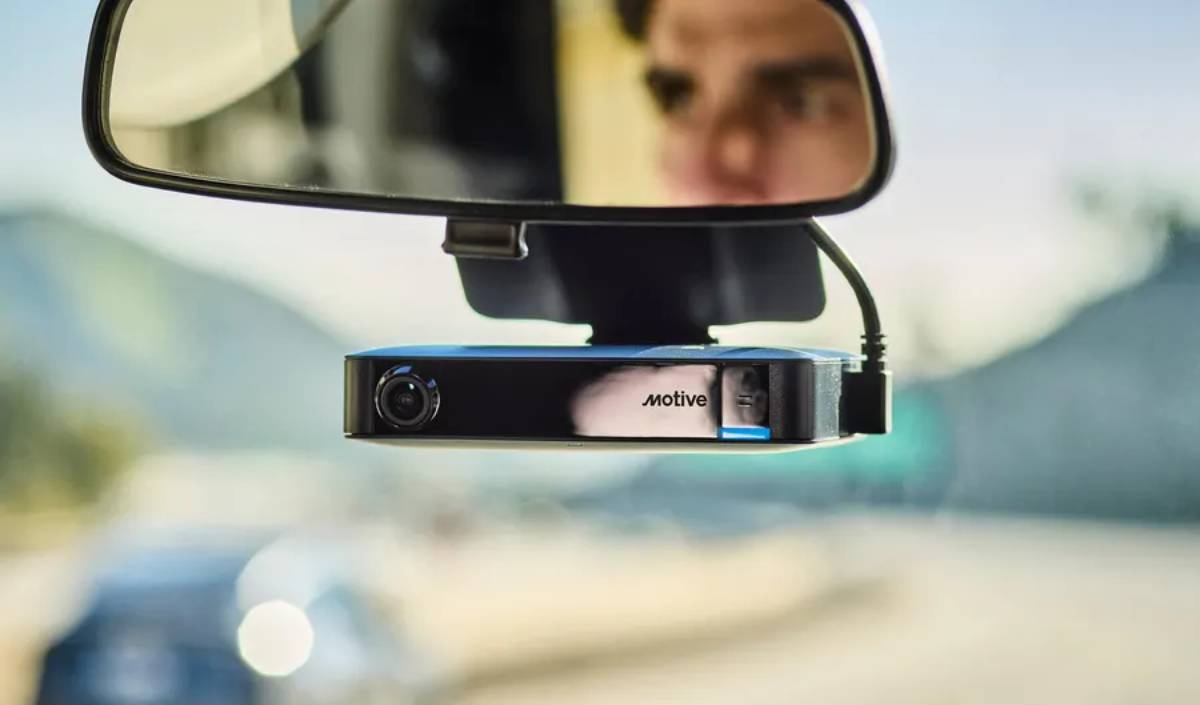
A significant advancement in transportation technology is emerging as fleet management company Motive expands the role of artificial intelligence beyond traditional vehicle monitoring. Through its Edge AI platform, the company is transforming commercial vehicles into real-time data and decision-making hubs, signalling a broader shift toward intelligent fleet operations with implications for logistics, insurance, workplace safety, and enterprise productivity worldwide.
Motive has introduced enhanced Edge AI capabilities designed to process information directly within fleet vehicles rather than relying solely on cloud-based systems. The platform leverages onboard cameras, sensors, and computing power to analyze driving behavior, identify safety risks, monitor operational performance, and generate actionable insights in real time.
The technology extends beyond conventional dashcam functionality by enabling predictive safety interventions, driver coaching, asset tracking, and operational optimization. Fleet operators can use AI-generated insights to improve efficiency, reduce accident rates, and lower operating costs.
The development comes amid rising demand for intelligent transportation systems as logistics providers, delivery companies, construction firms, and commercial vehicle operators seek greater productivity and regulatory compliance.
The development aligns with a broader trend across global markets where artificial intelligence is increasingly moving from centralized cloud environments to edge computing platforms. Rather than transmitting all data to remote servers, edge AI processes information closer to where it is generated, enabling faster decision-making and reduced latency.
Commercial transportation has become a major beneficiary of this shift. Fleet operators face mounting pressures from labor shortages, rising fuel costs, stricter safety regulations, sustainability targets, and increasing customer expectations for operational efficiency.
Over the past decade, telematics systems and vehicle monitoring technologies have evolved from basic GPS tracking tools into sophisticated operational intelligence platforms. The integration of AI represents the next phase of this transformation, allowing fleets to move from reactive management toward predictive and autonomous decision support.
The trend also reflects broader digitization efforts across supply chains and logistics networks. As e-commerce, global trade, and last-mile delivery operations continue to expand, intelligent fleet technologies are becoming critical components of modern transportation infrastructure.
Industry analysts increasingly view edge AI as one of the most important developments in enterprise technology. By processing data directly on vehicles and equipment, organizations can obtain real-time insights without the delays associated with cloud-based analysis.
Transportation experts argue that AI-enabled fleet systems have the potential to significantly reduce accidents through proactive risk detection. Rather than reviewing incidents after they occur, fleet managers can receive alerts that help prevent dangerous situations before they escalate.
Technology strategists also highlight the economic benefits of operational intelligence. Improved route optimization, reduced downtime, predictive maintenance, and better asset utilization can generate meaningful cost savings for large transportation networks.
From an industry perspective, the shift represents a move toward software-defined transportation ecosystems. Analysts note that commercial vehicles are increasingly becoming connected computing platforms capable of generating valuable operational data. This evolution mirrors broader digital transformation trends seen across manufacturing, industrial operations, and smart infrastructure initiatives.
Market observers further suggest that companies capable of combining AI, sensor technology, and fleet analytics may gain significant competitive advantages in an increasingly data-driven transportation sector.
For global executives, the emergence of AI-powered fleet intelligence could redefine operational strategies across logistics, transportation, construction, field services, and supply-chain management. Organizations may gain opportunities to improve safety performance, enhance productivity, and reduce operating expenses through data-driven decision-making.
Investors are likely to view the sector as a growing area of enterprise AI adoption with clear commercial applications and measurable returns on investment. The trend may also accelerate investment in connected vehicle infrastructure, edge computing, and industrial AI solutions.
From a policy perspective, regulators may face new questions regarding data privacy, workplace monitoring, AI transparency, and the use of automated decision systems in commercial transportation. Governments are also likely to examine how AI-driven safety technologies align with broader transportation modernization goals.
The next phase of fleet innovation will likely focus on deeper integration between AI, vehicle automation, predictive analytics, and connected infrastructure. Decision-makers should monitor adoption rates, regulatory developments, and measurable business outcomes as enterprises expand intelligent transportation investments.
The broader question is no longer whether AI will enter commercial fleets, but how quickly intelligent vehicles become a standard component of global logistics and transportation networks.
Source: Forbes
Date: May 31, 2026


