
AI Data Center Boom Strains Memory Supply

AI-driven workloads are rapidly increasing demand for high-performance memory, particularly high-bandwidth memory (HBM) used in advanced AI servers.

April 1, 2026
|
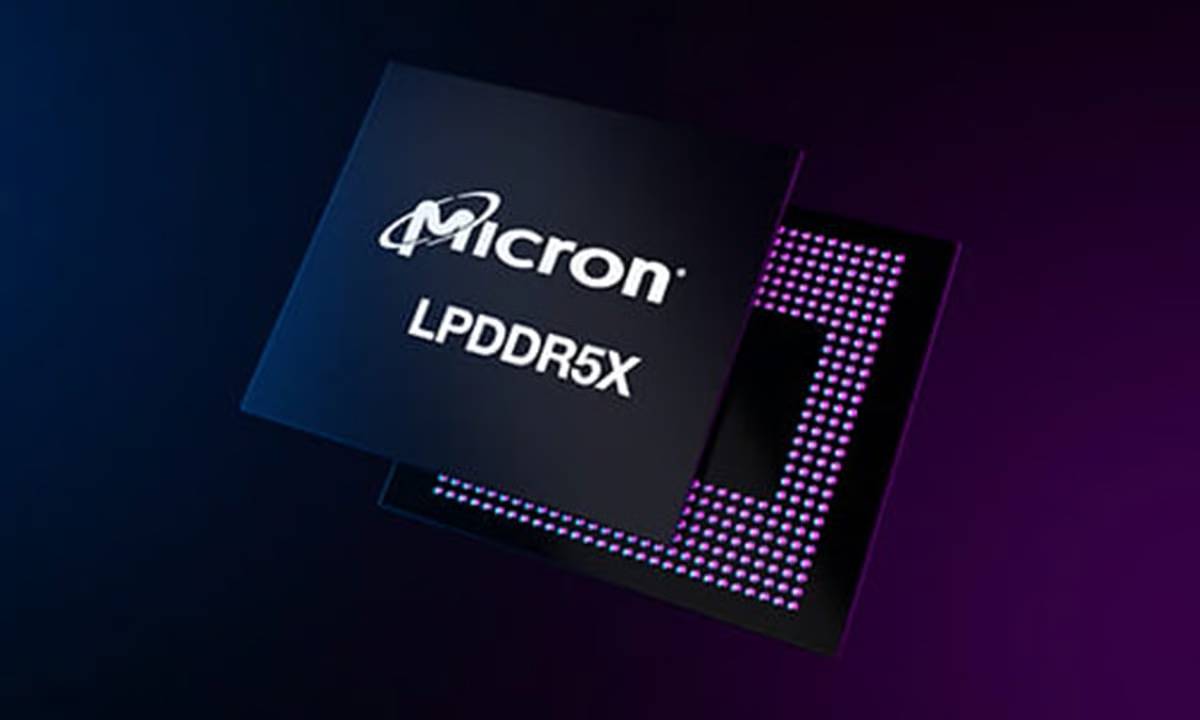
Image source: Micron Technology

A major development unfolded as surging demand for AI infrastructure exposed critical memory bottlenecks in global data centers, placing Micron Technology at the center of investor attention. The trend signals a structural shift in the AI supply chain, with significant implications for chipmakers, cloud providers, and capital markets.

AI-driven workloads are rapidly increasing demand for high-performance memory, particularly high-bandwidth memory (HBM) used in advanced AI servers. This surge has created supply constraints, as existing production capacity struggles to keep pace with hyperscale data center expansion.

Micron Technology has emerged as a key beneficiary, with its stock experiencing a strong upward run amid expectations of sustained demand growth. The company is investing in expanding memory production and advancing next-generation technologies to meet AI requirements.

Major stakeholders include semiconductor firms, cloud providers, and AI developers, all reliant on memory performance for scaling large models. The imbalance between supply and demand is reshaping pricing dynamics and investment strategies across the semiconductor ecosystem.

The development aligns with a broader trend across global markets where AI infrastructure is becoming increasingly compute- and memory-intensive. While GPUs have dominated headlines, memory components such as DRAM and HBM are equally critical for enabling large-scale AI training and inference.

Historically, semiconductor cycles have been volatile, with periods of oversupply followed by sharp corrections. However, the current AI-driven demand cycle appears structurally different, underpinned by long-term investments from hyperscalers and enterprises.

Companies like Nvidia have accelerated the need for high-performance memory through their advanced AI chips, which rely heavily on fast data access. This has created a supply chain ripple effect, benefiting memory manufacturers while exposing vulnerabilities in production capacity. Geopolitical factors, including supply chain localization and export controls, further complicate the landscape, adding strategic importance to semiconductor manufacturing.

Industry analysts suggest that memory constraints could become a defining bottleneck in the next phase of AI expansion. Experts argue that while compute power continues to scale, insufficient memory bandwidth and capacity may limit overall system performance.

Market observers note that Micron’s strong performance reflects investor confidence in its ability to capitalize on this demand, though questions remain about sustainability after its recent stock surge. Some analysts caution that semiconductor markets are cyclical, and rapid price increases could invite future corrections.

Others emphasize that long-term demand drivers such as generative AI, autonomous systems, and enterprise automation are likely to support continued growth. The consensus view is that memory will play an increasingly strategic role, elevating its importance from a supporting component to a core enabler of AI innovation.

For global executives, the shift could redefine procurement and infrastructure strategies, particularly for companies scaling AI capabilities. Organizations may need to secure long-term supply agreements for memory components to avoid operational disruptions.

Investors are closely monitoring semiconductor stocks, with memory manufacturers gaining prominence alongside GPU leaders. However, valuation risks remain a concern given recent market rallies.

From a policy perspective, governments may intensify efforts to strengthen domestic semiconductor production, recognizing memory as a critical component of digital infrastructure. Regulatory frameworks could also evolve to address supply chain resilience and geopolitical dependencies in chip manufacturing.

Looking ahead, memory demand is expected to remain a key constraint and opportunity in the AI ecosystem. Decision-makers should watch for capacity expansions, technological breakthroughs, and shifts in pricing dynamics.

Uncertainties persist market cyclicality and geopolitical risks, but the trajectory is clear: memory is emerging as a strategic cornerstone of AI infrastructure. The next phase of growth will depend on how effectively supply can scale to meet accelerating demand.

Source: The Motley Fool
Date: March 31, 2026

  • Featured tools
Murf Ai
Free

Murf AI Review – Advanced AI Voice Generator for Realistic Voiceovers

#
Text to Speech
Learn more
Surfer AI
Free

Surfer AI is an AI-powered content creation assistant built into the Surfer SEO platform, designed to generate SEO-optimized articles from prompts, leveraging data from search results to inform tone, structure, and relevance.

#
SEO
Learn more

Learn more about future of AI

Join 80,000+ Ai enthusiast getting weekly updates on exciting AI tools.
Thank you! Your submission has been received!
Oops! Something went wrong while submitting the form.

AI Data Center Boom Strains Memory Supply

April 1, 2026

AI-driven workloads are rapidly increasing demand for high-performance memory, particularly high-bandwidth memory (HBM) used in advanced AI servers.

Image source: Micron Technology

A major development unfolded as surging demand for AI infrastructure exposed critical memory bottlenecks in global data centers, placing Micron Technology at the center of investor attention. The trend signals a structural shift in the AI supply chain, with significant implications for chipmakers, cloud providers, and capital markets.

AI-driven workloads are rapidly increasing demand for high-performance memory, particularly high-bandwidth memory (HBM) used in advanced AI servers. This surge has created supply constraints, as existing production capacity struggles to keep pace with hyperscale data center expansion.

Micron Technology has emerged as a key beneficiary, with its stock experiencing a strong upward run amid expectations of sustained demand growth. The company is investing in expanding memory production and advancing next-generation technologies to meet AI requirements.

Major stakeholders include semiconductor firms, cloud providers, and AI developers, all reliant on memory performance for scaling large models. The imbalance between supply and demand is reshaping pricing dynamics and investment strategies across the semiconductor ecosystem.

The development aligns with a broader trend across global markets where AI infrastructure is becoming increasingly compute- and memory-intensive. While GPUs have dominated headlines, memory components such as DRAM and HBM are equally critical for enabling large-scale AI training and inference.

Historically, semiconductor cycles have been volatile, with periods of oversupply followed by sharp corrections. However, the current AI-driven demand cycle appears structurally different, underpinned by long-term investments from hyperscalers and enterprises.

Companies like Nvidia have accelerated the need for high-performance memory through their advanced AI chips, which rely heavily on fast data access. This has created a supply chain ripple effect, benefiting memory manufacturers while exposing vulnerabilities in production capacity. Geopolitical factors, including supply chain localization and export controls, further complicate the landscape, adding strategic importance to semiconductor manufacturing.

Industry analysts suggest that memory constraints could become a defining bottleneck in the next phase of AI expansion. Experts argue that while compute power continues to scale, insufficient memory bandwidth and capacity may limit overall system performance.

Market observers note that Micron’s strong performance reflects investor confidence in its ability to capitalize on this demand, though questions remain about sustainability after its recent stock surge. Some analysts caution that semiconductor markets are cyclical, and rapid price increases could invite future corrections.

Others emphasize that long-term demand drivers such as generative AI, autonomous systems, and enterprise automation are likely to support continued growth. The consensus view is that memory will play an increasingly strategic role, elevating its importance from a supporting component to a core enabler of AI innovation.

For global executives, the shift could redefine procurement and infrastructure strategies, particularly for companies scaling AI capabilities. Organizations may need to secure long-term supply agreements for memory components to avoid operational disruptions.

Investors are closely monitoring semiconductor stocks, with memory manufacturers gaining prominence alongside GPU leaders. However, valuation risks remain a concern given recent market rallies.

From a policy perspective, governments may intensify efforts to strengthen domestic semiconductor production, recognizing memory as a critical component of digital infrastructure. Regulatory frameworks could also evolve to address supply chain resilience and geopolitical dependencies in chip manufacturing.

Looking ahead, memory demand is expected to remain a key constraint and opportunity in the AI ecosystem. Decision-makers should watch for capacity expansions, technological breakthroughs, and shifts in pricing dynamics.

Uncertainties persist market cyclicality and geopolitical risks, but the trajectory is clear: memory is emerging as a strategic cornerstone of AI infrastructure. The next phase of growth will depend on how effectively supply can scale to meet accelerating demand.

Source: The Motley Fool
Date: March 31, 2026

Promote Your Tool

Copy Embed Code

Similar Blogs

June 26, 2026
|

AlpineAI Raises Seed Round

AlpineAI has successfully closed a double-digit million seed funding round aimed at accelerating the development of sovereign AI technologies.
Read more
June 26, 2026
|

BLP Digital Raises $50M Funding Round

BLP Digital has secured $50 million in strategic funding from Goldman Sachs to accelerate the expansion of its AI-driven enterprise solutions.
Read more
June 26, 2026
|

Giotto AI RUAG Secure AI

Giotto.ai and RUAG have entered into a cooperation agreement focused on the distribution and deployment of state-of-the-art AI solutions across defense and industrial domains.
Read more
June 26, 2026
|

Fruitful AI Secures Funding Round

Fruitful AI has successfully completed a strategic investment round, strengthening its financial position to scale operations and enhance its AI-driven product suite.
Read more
June 26, 2026
|

Visium Raises AI Funding Round

Visium has successfully raised fresh funding aimed at scaling its operations across key European markets and expanding deeper into the US enterprise AI ecosystem.
Read more
June 26, 2026
|

Nuclidium Raises CHF 105M Series B

Nuclidium has successfully expanded its Series B funding round to CHF 105 million through a latest extension, attracting continued backing from existing and new investors.
Read more