
AI Cruise Pitt Showdown Jolts Hollywood Control Battle

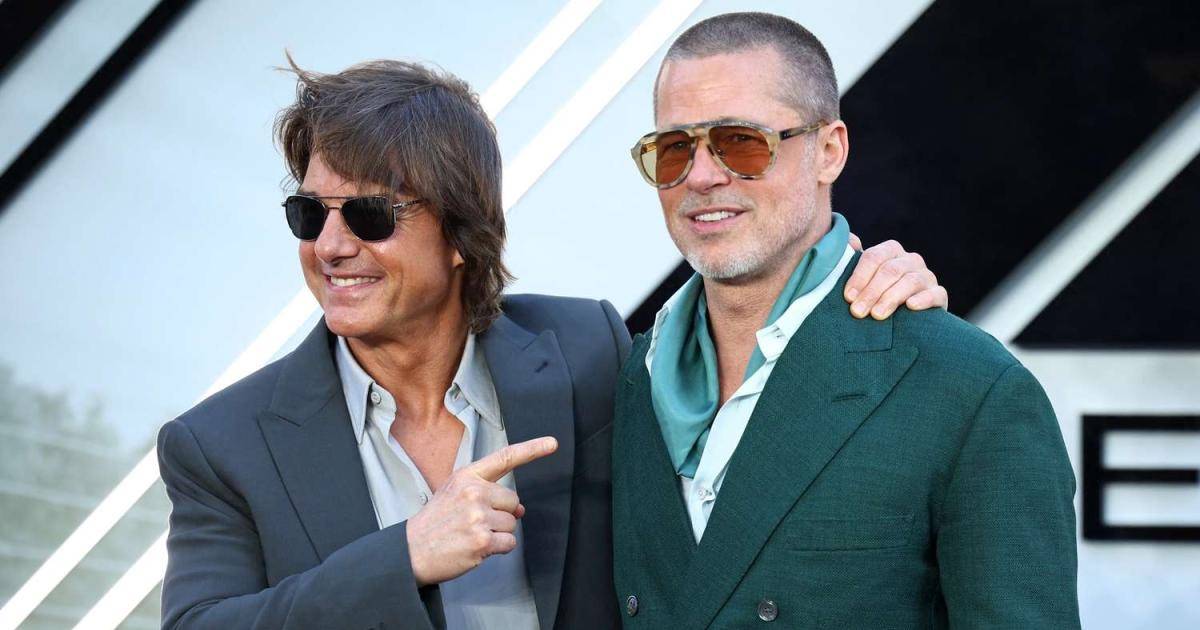
The viral video, created using advanced generative AI tools, portrayed Cruise and Pitt in a stylized cinematic confrontation despite neither actor participating in the production.

February 17, 2026
|

A hyper-realistic A.I.-generated video depicting Tom Cruise and Brad Pitt in a fabricated on-screen battle has sent shockwaves through Hollywood, underscoring growing fears over digital replicas of global stars. The episode signals a strategic inflection point for the entertainment industry as studios confront escalating risks around intellectual property, consent, and synthetic media governance.

The viral video, created using advanced generative AI tools, portrayed Cruise and Pitt in a stylized cinematic confrontation despite neither actor participating in the production. The footage rapidly circulated online, blurring the line between parody, fan fiction, and unauthorized digital impersonation.

Industry insiders indicate that the clip leveraged next-generation text-to-video and deepfake technologies capable of near-studio-grade realism. The incident has heightened alarm among talent agencies, production houses, and legal teams already navigating post-strike AI safeguards.

Stakeholders impacted include major studios, streaming platforms, unions, insurers, and global distribution partners. The economic implications extend to licensing models, celebrity branding, and the enforceability of digital likeness rights across jurisdictions.

The development lands in the wake of Hollywood’s landmark labor negotiations, where AI protections became central to agreements involving the Screen Actors Guild (SAG-AFTRA) and major studios. Actors had pushed for strict consent rules governing digital replicas, while studios sought flexibility for cost-efficient production.

Simultaneously, generative AI tools have dramatically lowered the barrier to entry for creating cinematic-quality content. Platforms such as text-to-video engines now allow independent creators to produce footage once limited to high-budget studios.

The entertainment sector is not alone. Similar concerns have emerged across advertising, gaming, and political media, where synthetic content can replicate public figures at scale. The Cruise–Pitt incident reflects a broader global trend: as generative AI capabilities accelerate, regulatory frameworks and contractual safeguards are struggling to keep pace.

For Hollywood, where intellectual property is core capital, the stakes are existential. Legal analysts suggest the episode exposes gaps between contractual protections and technological enforcement. While many A-list actors now negotiate explicit AI-use clauses, enforcement across decentralized digital platforms remains complex.

Entertainment lawyers argue that unauthorized AI portrayals risk diluting brand equity and undermining licensing markets. Talent agencies are reportedly reassessing digital rights management strategies, including watermarking and AI-detection mechanisms.

Industry strategists warn that studios must balance innovation with risk containment. AI-driven production can significantly reduce visual effects costs and accelerate timelines. However, without clear guardrails, reputational exposure and litigation risk could escalate rapidly.

Policy observers also note rising pressure on lawmakers in the U.S. and Europe to establish enforceable frameworks around biometric data, likeness rights, and synthetic impersonation particularly as cross-border distribution complicates jurisdictional authority.

For global media executives, the incident reinforces the urgency of robust AI governance frameworks. Studios may need to expand digital consent tracking, invest in authentication technology, and renegotiate talent contracts to reflect synthetic media realities.

Investors should watch for increased compliance costs and potential insurance premium adjustments tied to AI misuse risks. Streaming platforms may face greater scrutiny regarding content moderation and verification standards.

From a policy standpoint, governments could accelerate legislation on digital likeness protections, data ownership, and AI liability. The convergence of celebrity branding, generative AI, and global distribution networks presents a regulatory frontier with significant economic implications.

As AI-generated cinema becomes indistinguishable from traditional production, Hollywood faces a decisive governance test. Expect tighter contractual frameworks, expanded regulatory engagement, and heightened investment in AI detection technologies.

The central question for decision-makers: can the industry harness generative innovation without surrendering control of its most valuable asset human identity?

The answer may define the next era of global entertainment economics.

Source: The New York Times
Date: February 16, 2026

  • Featured tools
Writesonic AI
Free

Writesonic AI is a versatile AI writing platform designed for marketers, entrepreneurs, and content creators. It helps users create blog posts, ad copies, product descriptions, social media posts, and more with ease. With advanced AI models and user-friendly tools, Writesonic streamlines content production and saves time for busy professionals.

#
Copywriting
Learn more
Twistly AI
Paid

Twistly AI is a PowerPoint add-in that allows users to generate full slide decks, improve existing presentations, and convert various content types into polished slides directly within Microsoft PowerPoint.It streamlines presentation creation using AI-powered text analysis, image generation and content conversion.

#
Presentation
Learn more

Learn more about future of AI

Join 80,000+ Ai enthusiast getting weekly updates on exciting AI tools.
Thank you! Your submission has been received!
Oops! Something went wrong while submitting the form.

AI Cruise Pitt Showdown Jolts Hollywood Control Battle

February 17, 2026

The viral video, created using advanced generative AI tools, portrayed Cruise and Pitt in a stylized cinematic confrontation despite neither actor participating in the production.

A hyper-realistic A.I.-generated video depicting Tom Cruise and Brad Pitt in a fabricated on-screen battle has sent shockwaves through Hollywood, underscoring growing fears over digital replicas of global stars. The episode signals a strategic inflection point for the entertainment industry as studios confront escalating risks around intellectual property, consent, and synthetic media governance.

The viral video, created using advanced generative AI tools, portrayed Cruise and Pitt in a stylized cinematic confrontation despite neither actor participating in the production. The footage rapidly circulated online, blurring the line between parody, fan fiction, and unauthorized digital impersonation.

Industry insiders indicate that the clip leveraged next-generation text-to-video and deepfake technologies capable of near-studio-grade realism. The incident has heightened alarm among talent agencies, production houses, and legal teams already navigating post-strike AI safeguards.

Stakeholders impacted include major studios, streaming platforms, unions, insurers, and global distribution partners. The economic implications extend to licensing models, celebrity branding, and the enforceability of digital likeness rights across jurisdictions.

The development lands in the wake of Hollywood’s landmark labor negotiations, where AI protections became central to agreements involving the Screen Actors Guild (SAG-AFTRA) and major studios. Actors had pushed for strict consent rules governing digital replicas, while studios sought flexibility for cost-efficient production.

Simultaneously, generative AI tools have dramatically lowered the barrier to entry for creating cinematic-quality content. Platforms such as text-to-video engines now allow independent creators to produce footage once limited to high-budget studios.

The entertainment sector is not alone. Similar concerns have emerged across advertising, gaming, and political media, where synthetic content can replicate public figures at scale. The Cruise–Pitt incident reflects a broader global trend: as generative AI capabilities accelerate, regulatory frameworks and contractual safeguards are struggling to keep pace.

For Hollywood, where intellectual property is core capital, the stakes are existential. Legal analysts suggest the episode exposes gaps between contractual protections and technological enforcement. While many A-list actors now negotiate explicit AI-use clauses, enforcement across decentralized digital platforms remains complex.

Entertainment lawyers argue that unauthorized AI portrayals risk diluting brand equity and undermining licensing markets. Talent agencies are reportedly reassessing digital rights management strategies, including watermarking and AI-detection mechanisms.

Industry strategists warn that studios must balance innovation with risk containment. AI-driven production can significantly reduce visual effects costs and accelerate timelines. However, without clear guardrails, reputational exposure and litigation risk could escalate rapidly.

Policy observers also note rising pressure on lawmakers in the U.S. and Europe to establish enforceable frameworks around biometric data, likeness rights, and synthetic impersonation particularly as cross-border distribution complicates jurisdictional authority.

For global media executives, the incident reinforces the urgency of robust AI governance frameworks. Studios may need to expand digital consent tracking, invest in authentication technology, and renegotiate talent contracts to reflect synthetic media realities.

Investors should watch for increased compliance costs and potential insurance premium adjustments tied to AI misuse risks. Streaming platforms may face greater scrutiny regarding content moderation and verification standards.

From a policy standpoint, governments could accelerate legislation on digital likeness protections, data ownership, and AI liability. The convergence of celebrity branding, generative AI, and global distribution networks presents a regulatory frontier with significant economic implications.

As AI-generated cinema becomes indistinguishable from traditional production, Hollywood faces a decisive governance test. Expect tighter contractual frameworks, expanded regulatory engagement, and heightened investment in AI detection technologies.

The central question for decision-makers: can the industry harness generative innovation without surrendering control of its most valuable asset human identity?

The answer may define the next era of global entertainment economics.

Source: The New York Times
Date: February 16, 2026

Promote Your Tool

Copy Embed Code

Similar Blogs

February 17, 2026
|

India Targets $200 Billion Data Center AI Surge

Indian policymakers are intensifying efforts to expand domestic data center capacity, projecting potential investments of up to $200 billion over the coming years. The strategy aligns with the government’s broader digital transformation.
Read more
February 17, 2026
|

Wall Street Reprices AI Risk Amid Broad Selloff

Recent trading sessions have seen heightened volatility as investors rotate capital in response to AI-driven disruption narratives. While semiconductor and infrastructure players have largely benefited from AI enthusiasm.
Read more
February 17, 2026
|

China Moonshot AI Eyes $10 Billion Valuation Push

The startup, known for developing large language models and generative AI tools, has attracted strong investor interest as China accelerates AI innovation.
Read more
February 17, 2026
|

Wall Street Flags Once in Decade AI Software Bet

According to Yahoo Finance, market commentators have identified a high-growth AI software stock as a compelling long-term buy, citing expanding revenues, enterprise demand, and structural tailwinds from generative AI.
Read more
February 17, 2026
|

Infosys Anthropic Alliance Targets Regulated Sectors AI Expansion

The companies announced a joint initiative to deploy Anthropic’s Claude AI models within Infosys’ enterprise ecosystem, targeting complex regulatory environments.
Read more
February 17, 2026
|

Siri Stumbles Raise Strategic AI Red Flags for Apple Investors

For executives and analysts, this moment reflects a recalibration of how markets measure innovation velocity. Market strategists suggest that Apple’s cautious AI rollout reflects deliberate product.
Read more