
AI Citation Practices Face Scrutiny as Grokipedia References Proliferate

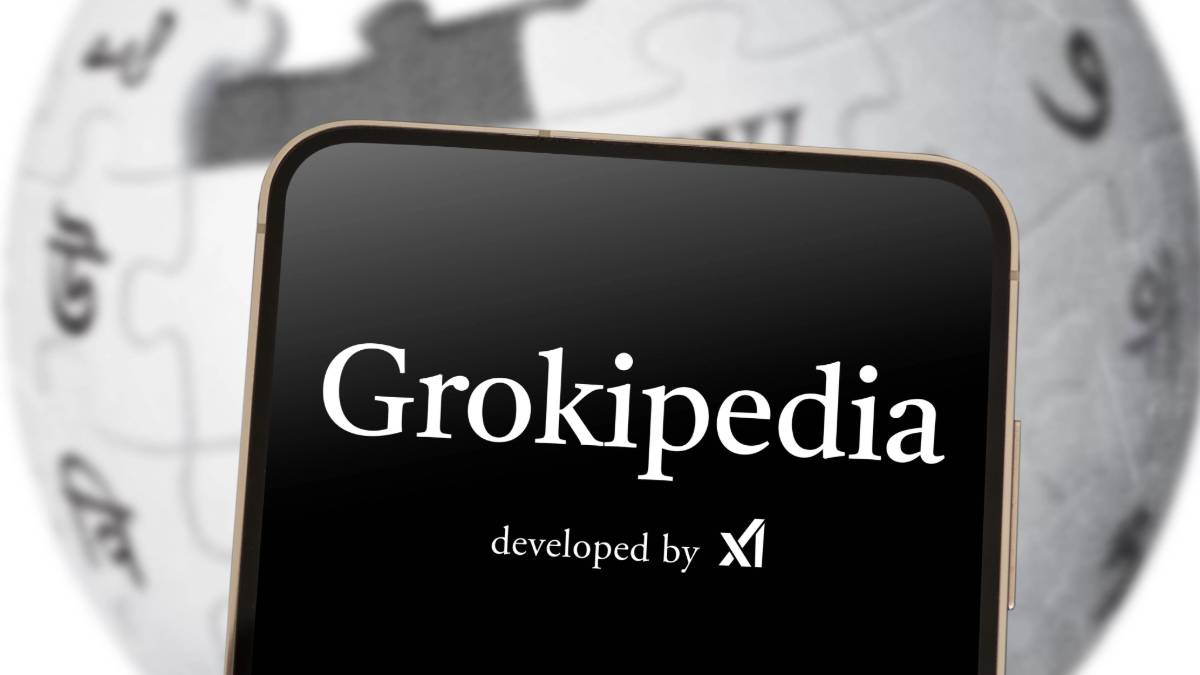
Several widely used AI chatbots and search tools have begun referencing Grokipedia as a source for factual responses, according to recent reporting. Grokipedia, developed under xAI’s Grok ecosystem.

February 24, 2026
|
Grokipedia

A growing number of artificial intelligence tools are now citing Grokipedia, a knowledge source linked to Elon Musk’s xAI, prompting fresh concerns over accuracy and misinformation. The trend has drawn attention from researchers and regulators alike, raising questions about source reliability, transparency, and the integrity of AI-generated information used by businesses and the public.

Several widely used AI chatbots and search tools have begun referencing Grokipedia as a source for factual responses, according to recent reporting. Grokipedia, developed under xAI’s Grok ecosystem, aggregates information from a mix of web data and user-generated inputs. Critics argue that the platform lacks the rigorous editorial oversight associated with established encyclopedic sources. The growing visibility of these citations comes as AI systems increasingly display their sources to boost user trust. However, researchers warn that inconsistent verification standards could amplify inaccuracies at scale, especially as AI tools are embedded into education, enterprise workflows, and decision-support systems.

The development aligns with a broader trend across global markets where AI platforms are under pressure to demonstrate transparency and explainability. As generative AI adoption accelerates, companies have moved toward visible citations to counter criticism around hallucinations and opaque outputs. Historically, search engines and digital assistants relied on ranked web results, while newer AI systems synthesize information from multiple datasets. This shift has blurred traditional lines between authoritative and crowdsourced knowledge. Past controversies involving Wikipedia edits, social media misinformation, and algorithmic bias highlight how scale can magnify small inaccuracies into systemic risks. With governments debating AI accountability frameworks, the quality of underlying knowledge sources has become a central concern for policymakers and industry leaders alike.

AI governance experts caution that citing a source does not automatically guarantee accuracy, particularly if the source itself lacks robust verification processes. Analysts note that Grokipedia’s association with xAI gives it visibility, but not necessarily credibility equivalent to peer-reviewed or institutionally curated databases. Industry voices argue that diversified sourcing and confidence scoring are more effective than single-source attribution. Meanwhile, proponents of open knowledge systems contend that newer platforms can evolve rapidly through feedback and corrections. From a market perspective, the debate reflects a deeper tension between speed of innovation and reliability. Regulators and standards bodies are increasingly expected to define what constitutes an acceptable source in AI-assisted decision-making.

For businesses, the issue raises operational and reputational risks, particularly in sectors such as finance, healthcare, and education where accuracy is critical. Enterprises deploying AI tools may need to audit citation sources more closely and introduce human-in-the-loop safeguards. Investors are watching how misinformation risks could translate into regulatory penalties or loss of user trust. For policymakers, the spread of lightly vetted sources strengthens the case for minimum transparency and quality standards in AI outputs. Failure to address these concerns could undermine public confidence in AI-driven services.

Decision-makers should track how AI providers refine citation practices and whether industry standards emerge around trusted knowledge sources. Key uncertainties include regulatory intervention timelines and the scalability of verification mechanisms. As AI systems become default gateways to information, ensuring the credibility of what they cite will be as important as the sophistication of the models themselves.

Source & Date

Source: NewsBytes
Date: February 2026

  • Featured tools
Neuron AI
Free

Neuron AI is an AI-driven content optimization platform that helps creators produce SEO-friendly content by combining semantic SEO, competitor analysis, and AI-assisted writing workflows.

#
SEO
Learn more
WellSaid Ai
Free

WellSaid AI is an advanced text-to-speech platform that transforms written text into lifelike, human-quality voiceovers.

#
Text to Speech
Learn more

Learn more about future of AI

Join 80,000+ Ai enthusiast getting weekly updates on exciting AI tools.
Thank you! Your submission has been received!
Oops! Something went wrong while submitting the form.

AI Citation Practices Face Scrutiny as Grokipedia References Proliferate

February 24, 2026

Several widely used AI chatbots and search tools have begun referencing Grokipedia as a source for factual responses, according to recent reporting. Grokipedia, developed under xAI’s Grok ecosystem.

Grokipedia

A growing number of artificial intelligence tools are now citing Grokipedia, a knowledge source linked to Elon Musk’s xAI, prompting fresh concerns over accuracy and misinformation. The trend has drawn attention from researchers and regulators alike, raising questions about source reliability, transparency, and the integrity of AI-generated information used by businesses and the public.

Several widely used AI chatbots and search tools have begun referencing Grokipedia as a source for factual responses, according to recent reporting. Grokipedia, developed under xAI’s Grok ecosystem, aggregates information from a mix of web data and user-generated inputs. Critics argue that the platform lacks the rigorous editorial oversight associated with established encyclopedic sources. The growing visibility of these citations comes as AI systems increasingly display their sources to boost user trust. However, researchers warn that inconsistent verification standards could amplify inaccuracies at scale, especially as AI tools are embedded into education, enterprise workflows, and decision-support systems.

The development aligns with a broader trend across global markets where AI platforms are under pressure to demonstrate transparency and explainability. As generative AI adoption accelerates, companies have moved toward visible citations to counter criticism around hallucinations and opaque outputs. Historically, search engines and digital assistants relied on ranked web results, while newer AI systems synthesize information from multiple datasets. This shift has blurred traditional lines between authoritative and crowdsourced knowledge. Past controversies involving Wikipedia edits, social media misinformation, and algorithmic bias highlight how scale can magnify small inaccuracies into systemic risks. With governments debating AI accountability frameworks, the quality of underlying knowledge sources has become a central concern for policymakers and industry leaders alike.

AI governance experts caution that citing a source does not automatically guarantee accuracy, particularly if the source itself lacks robust verification processes. Analysts note that Grokipedia’s association with xAI gives it visibility, but not necessarily credibility equivalent to peer-reviewed or institutionally curated databases. Industry voices argue that diversified sourcing and confidence scoring are more effective than single-source attribution. Meanwhile, proponents of open knowledge systems contend that newer platforms can evolve rapidly through feedback and corrections. From a market perspective, the debate reflects a deeper tension between speed of innovation and reliability. Regulators and standards bodies are increasingly expected to define what constitutes an acceptable source in AI-assisted decision-making.

For businesses, the issue raises operational and reputational risks, particularly in sectors such as finance, healthcare, and education where accuracy is critical. Enterprises deploying AI tools may need to audit citation sources more closely and introduce human-in-the-loop safeguards. Investors are watching how misinformation risks could translate into regulatory penalties or loss of user trust. For policymakers, the spread of lightly vetted sources strengthens the case for minimum transparency and quality standards in AI outputs. Failure to address these concerns could undermine public confidence in AI-driven services.

Decision-makers should track how AI providers refine citation practices and whether industry standards emerge around trusted knowledge sources. Key uncertainties include regulatory intervention timelines and the scalability of verification mechanisms. As AI systems become default gateways to information, ensuring the credibility of what they cite will be as important as the sophistication of the models themselves.

Source & Date

Source: NewsBytes
Date: February 2026

Promote Your Tool

Copy Embed Code

Similar Blogs

February 24, 2026
|

Jamie Dimon Calms Markets, Downplays AI Disruption Risks

Dimon addressed concerns at a corporate briefing, emphasizing JPMorgan’s proactive adoption of AI for efficiency, compliance, and customer services.
Read more
February 24, 2026
|

Asian Markets Steady After Wall Street Rout in AI Exposed Stocks

Markets across Asia traded unevenly following a sharp US selloff in technology and legacy IT stocks exposed to AI disruption. Wall Street investors rotated out of companies perceived as vulnerable to automation.
Read more
February 24, 2026
|

Crypto Markets Slide as AI Jitters Trigger Sharp IBM Selloff

Cryptocurrency markets recorded deeper declines amid a broader tech-led selloff, reflecting risk-off sentiment among global investors. IBM shares plunged 11%, highlighting heightened sensitivity to earnings expectations.
Read more
February 24, 2026
|

Indian IT Stocks Extend Losses as AI Fears Trigger Global Repricing

Shares of major Indian IT services firms extended losses following global volatility in AI-linked equities.
Read more
February 24, 2026
|

AI Coding Platforms Threaten Freemium App Model Economics

Advances in generative AI coding assistants now allow users to create simple, task-specific applications through natural language prompts, reducing reliance on standalone freemium utilities.
Read more
February 24, 2026
|

AI Powered Body Scans Expand Across Health and Retail

AI-driven body scanning platforms are increasingly being deployed in gyms, wellness centers, medical clinics, and retail environments.
Read more