



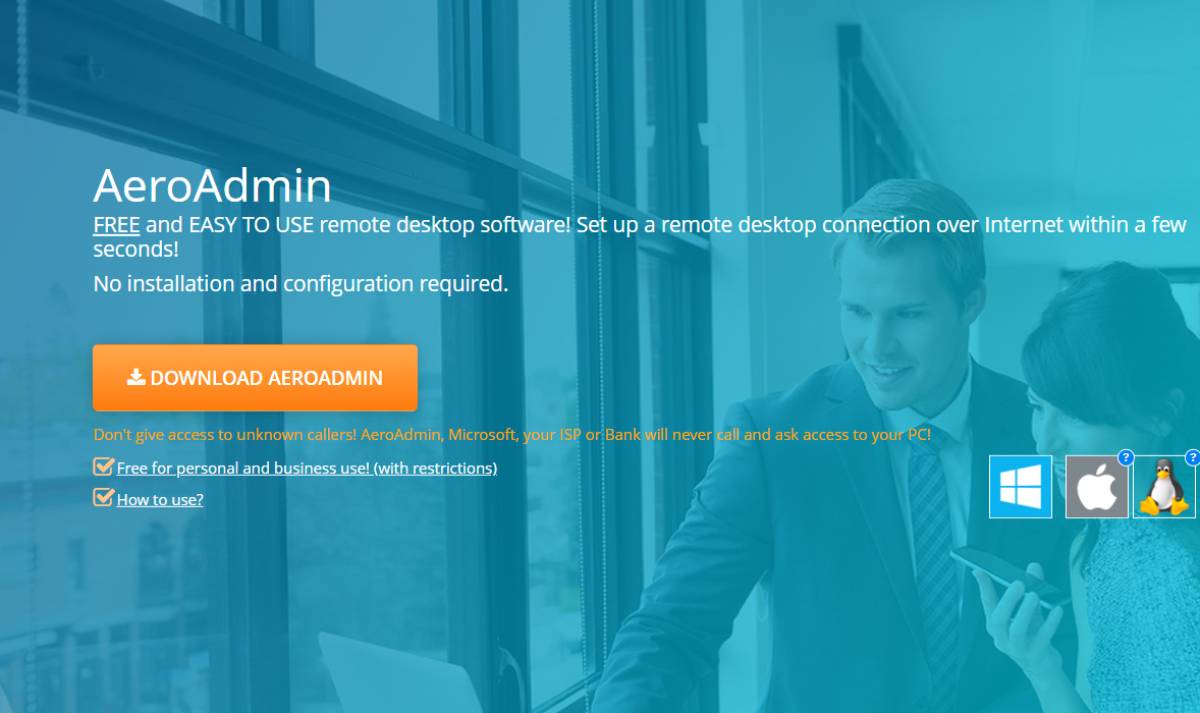
AeroAdmin is strengthening remote IT administration with a platform designed to provide businesses with fast, centralized access to remote computers. The solution addresses growing demand for secure remote support as organizations manage distributed workforces, geographically dispersed infrastructure and increasingly digital operations requiring rapid technical assistance.
AeroAdmin is a remote desktop and remote-access solution that enables users to connect to computers from different locations. Its capabilities are aimed at IT support teams, system administrators, managed service providers and businesses requiring remote technical assistance.
The platform supports remote control, file transfer and unattended access, allowing administrators to troubleshoot systems without being physically present. Its lightweight approach is designed to simplify deployment and reduce the operational barriers associated with remote support.
The product is positioned within a competitive remote-access market where organizations increasingly prioritize secure connectivity, operational continuity and rapid technical response. For businesses, these capabilities can help reduce downtime and support distributed infrastructure.
The rise of remote administration technology reflects the broader transformation of corporate IT infrastructure. Cloud adoption, hybrid work and geographically distributed teams have reduced the importance of physical proximity between employees, systems and technical support personnel.
Traditional IT support often required technicians to travel to a user's location or rely on lengthy telephone-based troubleshooting. Remote-access platforms changed this model by allowing authorized technicians to view and control systems directly, potentially reducing response times and support costs.
AeroAdmin operates within this wider evolution of remote IT management. Its focus on remote desktop access, technical support and unattended connections addresses organizations that need to maintain systems across multiple locations.
For executives, the strategic relevance extends beyond convenience. Remote administration can contribute to business continuity, faster incident response and more efficient use of technical personnel. However, these benefits depend heavily on strong authentication, access controls and security practices.
Remote-access technology has become an important component of modern IT support because it allows technicians to diagnose and resolve issues without requiring physical access to corporate devices. AeroAdmin's product model is aligned with this operational requirement.
The platform's remote-control capabilities can allow support personnel to interact directly with a remote computer, while file-transfer functionality can facilitate the movement of required technical files. Unattended access can also support systems that require administration when no employee is physically present.
From a cybersecurity perspective, however, remote access represents a significant area of organizational risk if credentials or access permissions are compromised. Industry security guidance consistently emphasizes strong authentication, least-privilege access, monitoring and careful management of remote administrative tools.
For technology leaders, the evaluation therefore needs to balance productivity gains against security exposure. Remote-access software should be deployed within a clearly defined access-control and monitoring framework rather than treated as a standalone convenience tool.
For businesses, remote administration can reduce the cost and time associated with technical support while enabling IT teams to manage geographically distributed devices. Faster troubleshooting can also reduce operational disruption and improve workforce productivity.
For investors and technology executives, remote-access solutions remain relevant as hybrid work and distributed infrastructure continue to influence enterprise IT strategies. Consumers and employees can benefit from faster technical support without waiting for on-site assistance.
The policy implications center on cybersecurity, privacy and access governance. Organizations must ensure remote connections are authorized, monitored and appropriately restricted. Sensitive systems may require additional controls, particularly in regulated industries.
Executives should therefore assess encryption, authentication, logging, permissions and vendor security practices before deploying remote administration technology at scale. Remote IT administration is expected to become increasingly integrated with broader endpoint management, cybersecurity and automation platforms. AeroAdmin's continued relevance will depend on how effectively it combines accessibility with strong security controls. Decision-makers should watch developments in authentication, monitoring, automation and regulatory requirements. As organizations become more distributed, the ability to provide secure technical support without physical access will remain an important operational capability.
Source: AeroAdmin and Crozdesk
Date: August 13, 2026


