



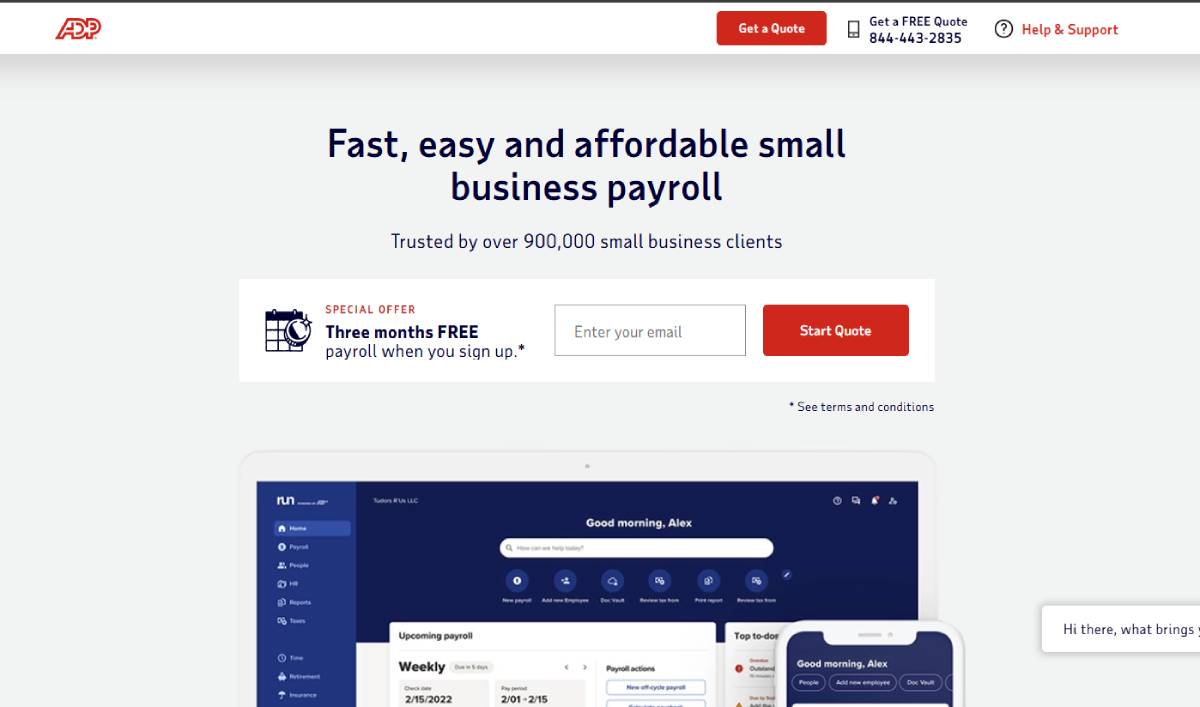
ADP Vantage HCM represents the growing shift toward integrated workforce-management technology, bringing human capital processes into a more centralized digital environment. Designed for larger organizations, the platform addresses complex HR requirements spanning workforce administration, talent management, payroll-related processes and analytics as enterprises seek greater efficiency and data-driven decision-making.
ADP Vantage HCM is positioned as an enterprise human capital management solution designed to support organizations with complex workforce requirements. Its capabilities encompass areas such as human resources management, talent processes, workforce information and analytics.
By bringing multiple workforce functions into an integrated environment, enterprise HR teams can reduce reliance on disconnected systems and improve access to workforce information. Centralized data can also support reporting and management decision-making.
The platform is particularly relevant to large employers managing diverse employee populations, multiple business units and complex HR processes. For executives, integrated HCM technology can provide greater visibility into workforce operations while helping HR departments standardize processes across an organization.
The development aligns with a broader transformation in enterprise human resources. Large organizations increasingly manage complex workforces across multiple locations, employment structures and regulatory environments. Traditional HR systems can struggle when information is distributed across separate applications and processes.
Enterprise HCM platforms have emerged as a way to centralize workforce data and connect HR activities. Rather than managing employee records, talent programs, workforce planning and reporting independently, organizations can create a more unified operating model.
The shift is also being driven by changing workforce expectations. Employees increasingly expect digital self-service experiences, while executives want faster access to reliable workforce information.
For global organizations, regulatory complexity adds another layer. Payroll, employment practices, benefits and workforce reporting can vary across jurisdictions, making centralized yet adaptable HR technology increasingly valuable.
The strategic objective is therefore broader than administrative efficiency. Enterprise HCM systems can provide the workforce data and infrastructure required to support planning, talent strategies and organizational decision-making.
HR technology specialists increasingly emphasize that enterprise HCM platforms are becoming strategic systems rather than back-office applications. Workforce data can influence decisions involving hiring, retention, compensation, organizational planning and productivity.
ADP Vantage HCM reflects this direction by providing an integrated environment for organizations with sophisticated workforce-management requirements. Its enterprise positioning is particularly relevant to businesses that need to coordinate HR processes across large and potentially distributed employee populations.
For executives, successful implementation depends heavily on data quality, process standardization and employee adoption. An HCM platform can centralize information, but organizations still need effective governance and clearly defined operating procedures.
Security and privacy are equally important because workforce platforms handle sensitive employee information. Organizations must establish appropriate access controls, data-management policies and compliance processes.
Industry observers are also watching how artificial intelligence and advanced analytics become embedded within HCM systems. These technologies could make workforce data more predictive and useful for strategic planning.
For businesses, integrated HCM technology can reduce administrative complexity, improve workforce visibility and support standardized HR processes. Large organizations may also benefit from stronger reporting and centralized employee information.
For C-suite leaders, the value extends to workforce planning. Better access to reliable employee data can support decisions involving talent allocation, organizational growth and long-term workforce strategy.
Employees may benefit from more consistent digital HR experiences and improved access to self-service capabilities. From a policy perspective, workforce-management platforms must address employment regulations, privacy requirements, data security and jurisdiction-specific compliance obligations. Multinational organizations face additional challenges because workforce data may cross national borders.
Executives should therefore evaluate HCM platforms not only on functionality but also on security, integration, scalability and their ability to support evolving regulatory requirements.
Enterprise HCM technology is likely to become increasingly intelligent as artificial intelligence, predictive analytics and automation become integrated into workforce processes. Future systems may provide deeper insights into workforce trends, talent requirements and organizational risks.
Decision-makers should watch how HCM platforms balance automation with employee privacy, transparency and human oversight. The strongest enterprise solutions will help organizations transform workforce data into actionable intelligence while maintaining operational control and regulatory discipline.
Source: Crozdesk
Date: August 11, 2026


